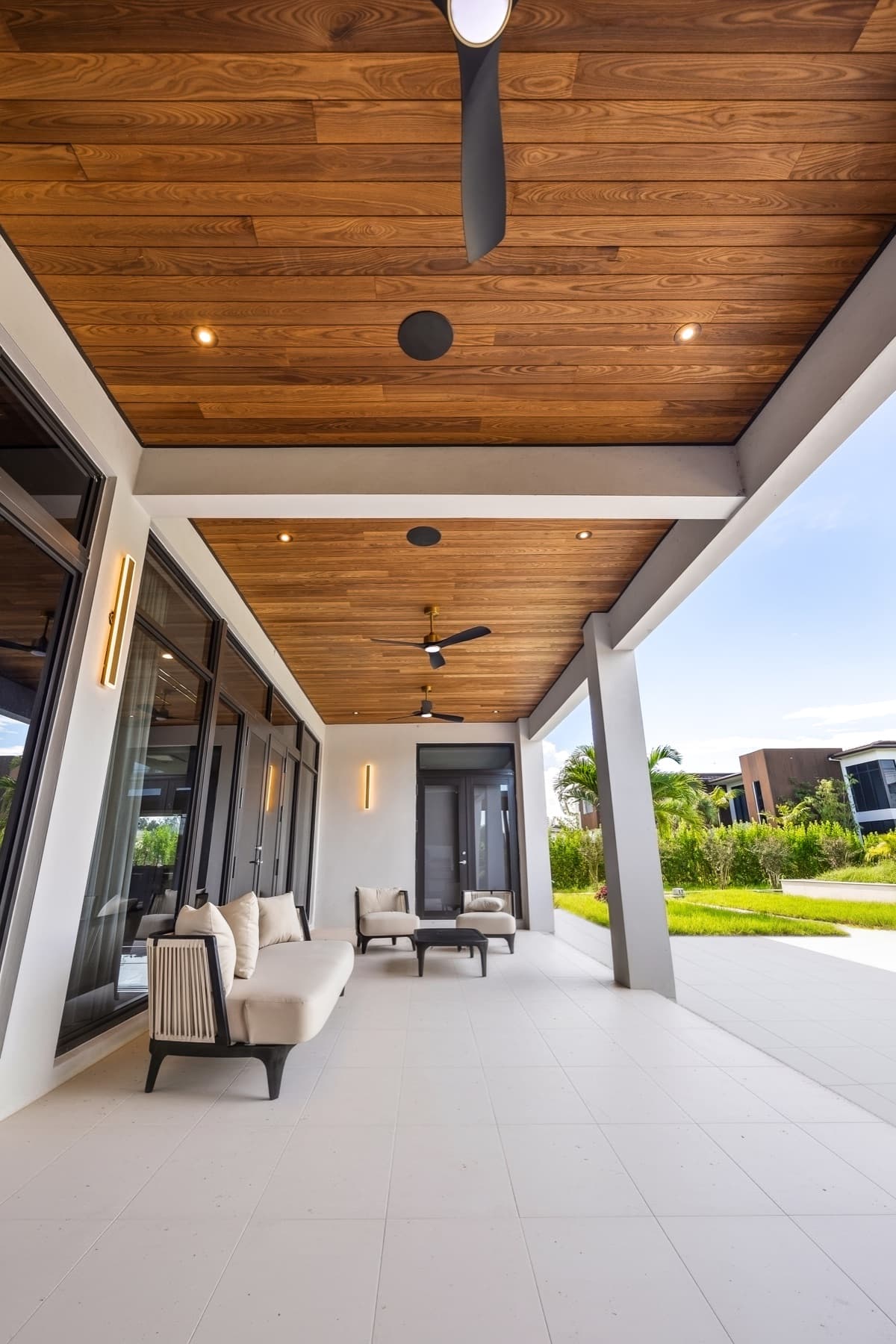
Understanding the Hotel Entry Environment
A hotel entry ceiling, whether indoors or an exterior soffit, is a high-visibility area subject to specific environmental factors. Interior entries might experience controlled climates but still require materials that can withstand occasional impacts or cleaning. Exterior soffits, conversely, face direct exposure to weather elements like humidity, temperature fluctuations, and sometimes precipitation, demanding robust and weather-resistant solutions.
The choice of material should also consider the overall design theme of the hotel. A rustic lodge might favor natural wood, while a contemporary boutique hotel could opt for a sleek, modern finish. The entry ceiling often sets the tone for the entire property, making material selection a key design decision.
Wood Options for a Classic or Modern Aesthetic
Natural wood offers timeless appeal and can create a warm, inviting atmosphere in a hotel entry. Species like Ipe, Cumaru, and Garapa provide rich, natural tones and distinct grain patterns. These hardwoods are known for their inherent density and can be a compelling choice for both interior ceilings and covered exterior soffits where their natural resilience is beneficial.
For a lighter, more contemporary look, or where specific performance characteristics are desired, thermally modified wood is an option. Thermally modified Ayous and Ash, for instance, offer a cleaner grain and enhanced stability due to the modification process. This process can reduce the wood's tendency to shrink, swell, or cup, making it suitable for environments where dimensional stability is important. Thermally modified wood often presents a consistent, appealing color that can be stained or left to weather naturally. Maximo Accoya, an acetylated wood product, also offers enhanced durability and stability for similar applications.
When considering natural wood, it's important to account for potential color changes over time, especially with exposure to UV light on exterior soffits. Finishes can help mitigate this, but ongoing maintenance to preserve the original appearance may be required.
Composite Alternatives for Durability and Low Maintenance
For hotel entries demanding minimal maintenance and high durability, composite ceiling and soffit materials offer a practical alternative. Products like the Norx composite collection are engineered to resist moisture, insects, and rot, making them suitable for both interior and exterior applications, particularly in areas with challenging weather conditions or high humidity.
Composite materials are often available in a range of colors and textures that mimic natural wood, providing aesthetic versatility without the same level of upkeep. The consistent appearance of composite boards can also contribute to a uniform and polished look for large entry areas or extensive soffit designs. This can be a significant advantage for hotel properties looking to reduce long-term operational costs associated with material upkeep.
Considering Profile and Finish
The profile of the ceiling and soffit boards plays a role in the overall visual effect. V-groove, tongue-and-groove, or shiplap profiles can each contribute a different character to the ceiling. A tight V-groove might offer a clean, linear look, while a wider shiplap can create a more rustic or coastal feel. The choice of profile should complement the architectural style of the hotel entry.
Finishes also impact the final appearance and performance. For wood products, clear sealers can enhance the natural grain, while stains can deepen or alter the color. For exterior soffits, a finish with UV inhibitors can help protect against sun exposure. Composite materials often come with pre-finished surfaces, eliminating the need for on-site finishing.
Project Example: A Boutique Hotel Entry Soffit
Consider a hypothetical boutique hotel aiming for a modern, inviting entrance. The design calls for a 20-foot by 8-foot exterior soffit above the main entrance, leading into a covered walkway. The architectural style emphasizes clean lines and natural textures.
After evaluating options, the design team selects thermally modified Ash ceiling and soffit boards with a V-groove profile. The Ash offers a light, consistent color and smooth grain, aligning with the modern aesthetic. Its thermal modification provides enhanced stability against the local climate's moderate humidity and temperature swings.
For the 20x8-foot (160 sq ft) soffit, assuming 5.25-inch wide (nominal 1x6) boards are used, approximately 366 linear feet of material would be needed, accounting for a 5% waste factor for cuts and trimming. This selection allows for a sophisticated look with good long-term performance, creating a welcoming and elegant first impression for guests.
This example illustrates how specific product characteristics, like material stability and appearance, are matched to project needs and aesthetic goals.
Integration with Lighting and Other Systems
Hotel entry ceilings often integrate various systems, including lighting, sprinklers, and security cameras. It's essential to plan for these elements during material selection and installation. The chosen ceiling and soffit material should accommodate cutouts and supports for these fixtures without compromising structural integrity or visual appeal. For example, recessed lighting may require specific clearance above the ceiling boards.
Working closely with lighting designers and other system integrators early in the planning process ensures that all elements are seamlessly incorporated, maintaining the intended design and functionality of the hotel entry.
Before you order
- Determine if the ceiling is interior or exterior (soffit) and its exposure to weather.
- Define the desired aesthetic: classic, modern, rustic, etc.
- Evaluate material durability and stability requirements (e.g., resistance to moisture, insects, movement).
- Consider long-term maintenance expectations and associated costs.
- Review available profiles (V-groove, shiplap, tongue-and-groove) and their visual impact.
- Assess finish options: natural, stained, pre-finished, and UV protection needs.
- Plan for integration of lighting, sprinklers, and other ceiling-mounted fixtures.
- Calculate the required material quantity, including a waste factor.
- Verify compatibility with existing structural supports and fastening methods.
Confirm installation details, approved uses and warranty terms in the current instructions for the exact product and profile. Your installer should verify the substrate, structure and applicable project requirements.
Questions to help you decide
What is the primary difference between thermally modified wood and natural hardwood for hotel entry soffits?
Thermally modified wood undergoes a high-heat treatment process that enhances its dimensional stability and resistance to decay and insects, often resulting in a consistent, lighter color. Natural hardwoods like Ipe or Cumaru offer inherent density and natural resistance but may be more susceptible to movement in varying humidity and can exhibit greater color change over time, especially when exposed to UV light.
Are composite ceiling materials suitable for high-humidity coastal hotel entries?
Yes, composite materials like those from the Norx collection are generally well-suited for high-humidity and coastal environments. They are engineered to resist moisture, rot, and insects, making them a durable and low-maintenance option for exterior soffits in challenging climates. Always verify specific product specifications for coastal suitability.
How do I calculate the amount of ceiling material needed for a hotel entry?
To calculate the required material, measure the length and width of the ceiling or soffit area to determine the total square footage. For linear board products, divide the total square footage by the nominal width of the boards (e.g., for a 5.25-inch wide board, convert to feet: 0.4375 ft, then divide square footage by this value to get linear feet). Always add a waste factor, typically 5-15%, to account for cuts, trimming, and potential errors. For complex geometries, consider creating a detailed cut plan.
Request a Material Quote for Your Hotel Entry Project
Ready to select the perfect ceiling and soffit materials for your hotel entry? Provide your project dimensions, desired profile, and ZIP code to request a material quote. We can help you confirm current availability and service options for your specific needs. Visit our product page to explore options: /ceiling-and-soffit
Request a material quote →