What the Test Actually Measures
The Janka test presses a steel ball 11.28mm in diameter halfway into a board and records the force required. Ipe takes 3,510 pounds-force. For scale: red oak — the flooring benchmark — sits around 1,290, pressure-treated pine near 690, and Cumaru, Ipe's closest sibling in our racks, at 3,330. Garapa comes in at 1,650, still well above oak.
So the number is a dent test, literally. It predicts how the surface behaves under concentrated load: dropped tools, chair legs, dog claws, stiletto heels, gravel underfoot.
What Hardness Predicts
Three things, reliably. Dent and wear resistance — Ipe decks in commercial boardwalk service stay flat and readable for decades where softer wood grows a texture of damage. Fastener behavior — the density that resists a steel ball also resists a screw, which is why every Ipe fastener is pre-drilled or hidden-clip, no exceptions. And abrasion life in sand-and-grit coastal environments, where Ipe simply outlasts.
Hardness also correlates with density, and density drives the properties people actually buy: 69 lbs per cubic foot means longer structural spans, less flex underfoot, and a board that stays put in hurricane-force wind rather than becoming debris.
What It Does Not Predict
Rot resistance is chemistry, not hardness — Ipe's natural extractives and oils are what earn its marine rating, and a hard wood without them would still rot. UV color change is also unrelated: Ipe silvers in the sun like every wood, at any Janka number. And hardness says nothing about dimensional stability, which comes from proper kiln-drying and grain — the reason we kiln-dry to exterior spec and mill four sides at premium grade before a board ships.
Janka is also not a comfort metric. Dense wood runs cooler than dark composite in full sun, but that is mass and color, not hardness.
How to Use the Number
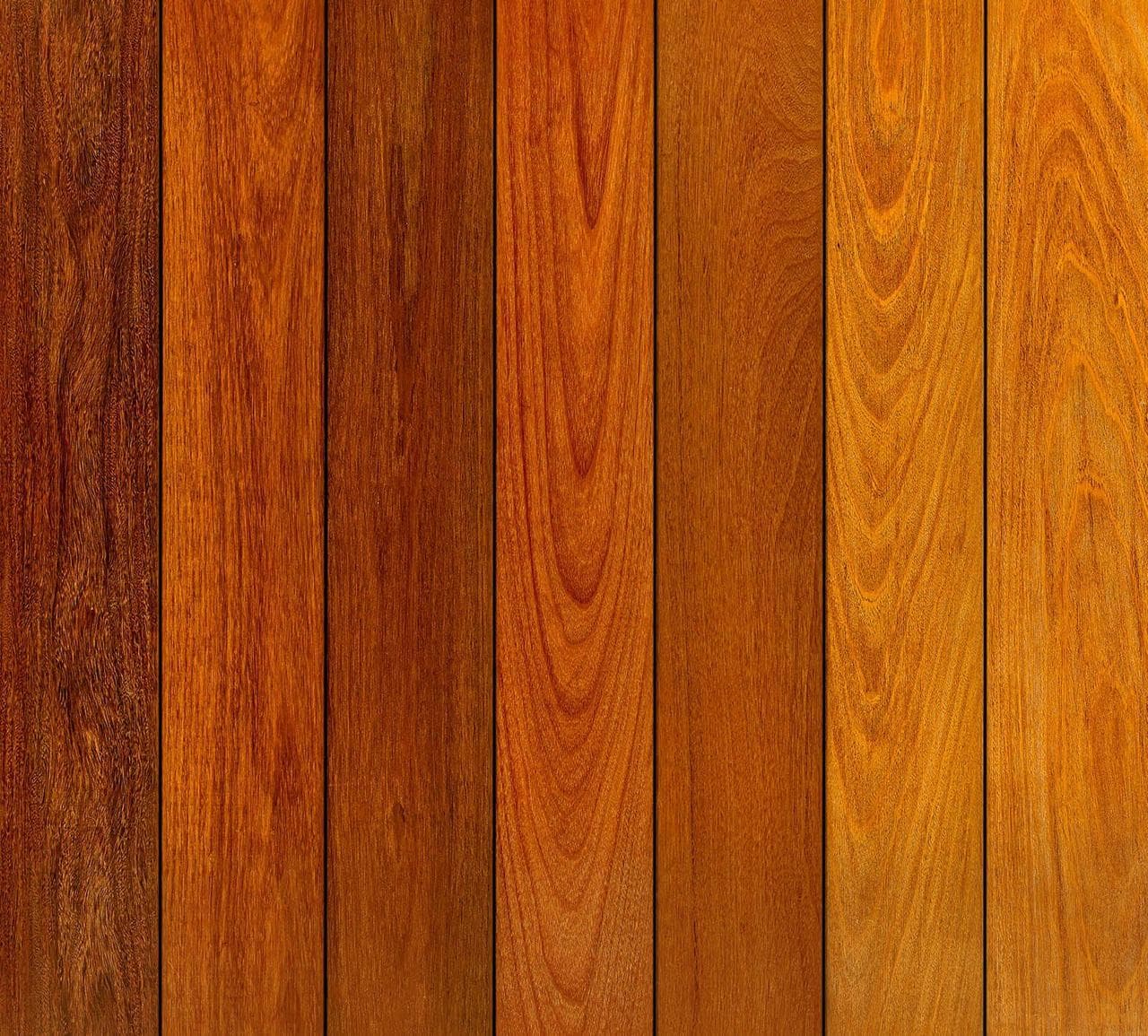
Treat 3,510 as a filter, not a verdict. It tells you Ipe will not wear out from the top down — so the real decision moves to budget, color, and exposure. Cumaru buys nearly identical hardness for less; Garapa trades hardness for a golden tone and a friendlier price in covered, drier settings.
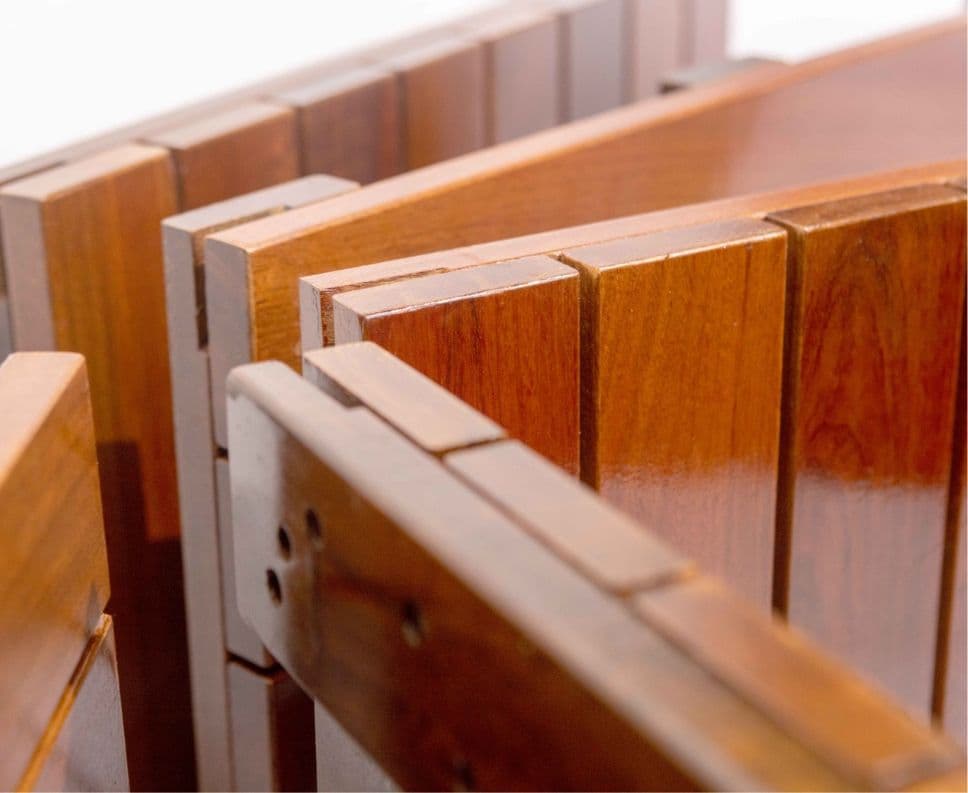
Every branch keeps sample packs of all three. Press a key into each one — the Janka test, kitchen edition — and the number stops being abstract.