Where to Start
Every week our branches take the same call: a deck is getting built this season, the budget is set, and the owner is stuck between three material families that every website describes as "the best." We stock all three — Brazilian hardwood, capped composite, and cellular PVC — so we have no horse in this race. Here is how we walk customers through the decision, in the order the trade thinks about it.
1. Start With Where the Deck Lives
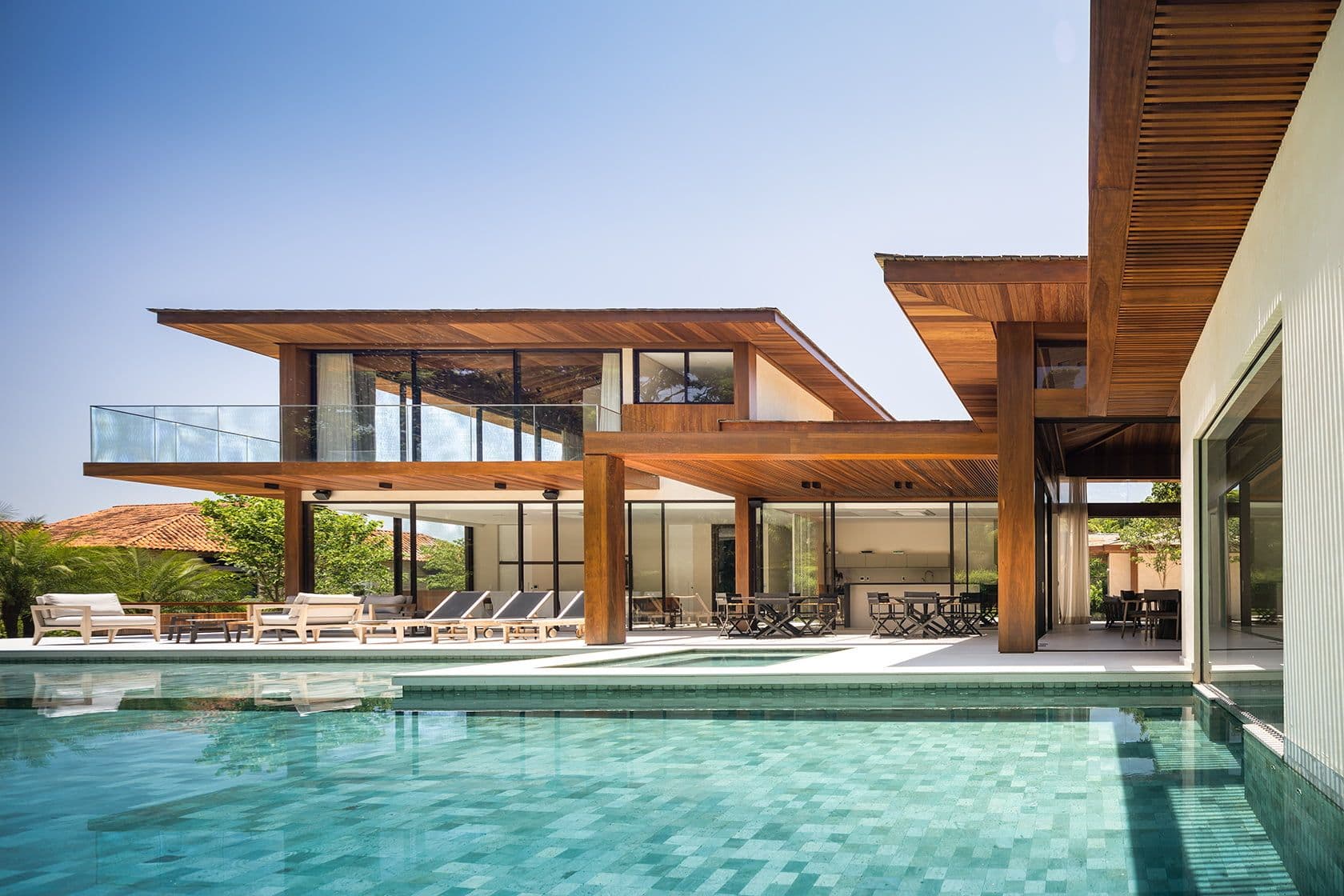
Climate decides more than taste does. Full-sun South Florida, splash-zone docks, shaded New England porches, and rooftop terraces each punish materials differently. Standing water and constant splash favor PVC, which cannot rot. Brutal UV and salt air favor dense hardwood like Ipe, which is rated for marine exposure without treatment. Mild, mixed climates are where composite's low-effort promise shines brightest.
2. What Each Material Actually Is
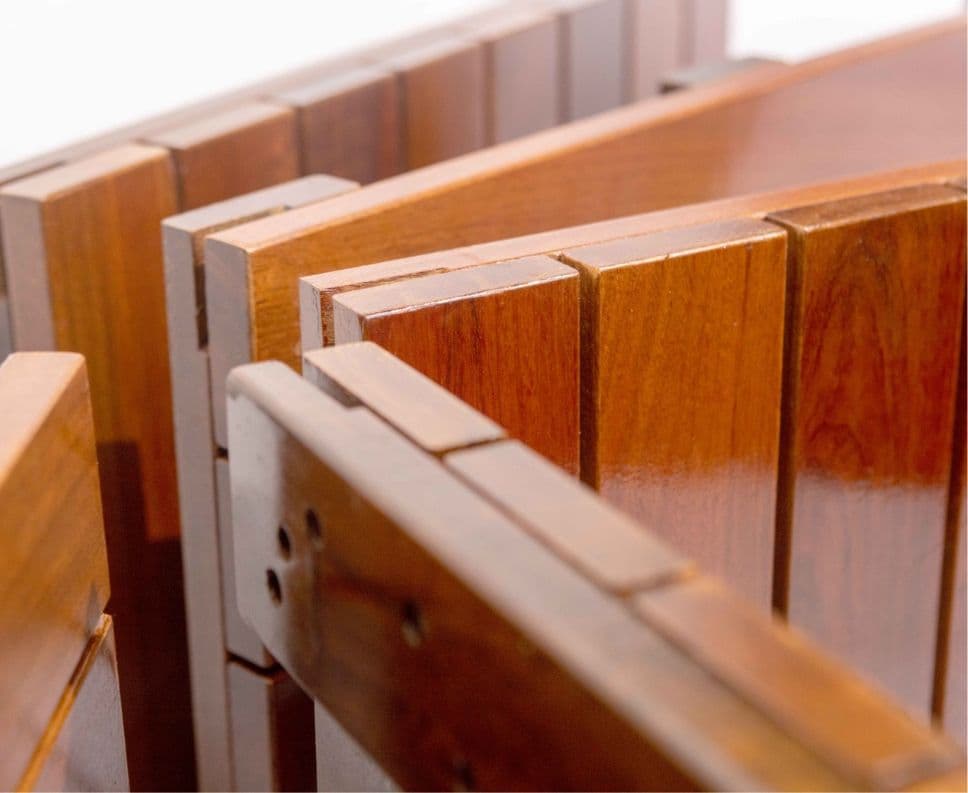
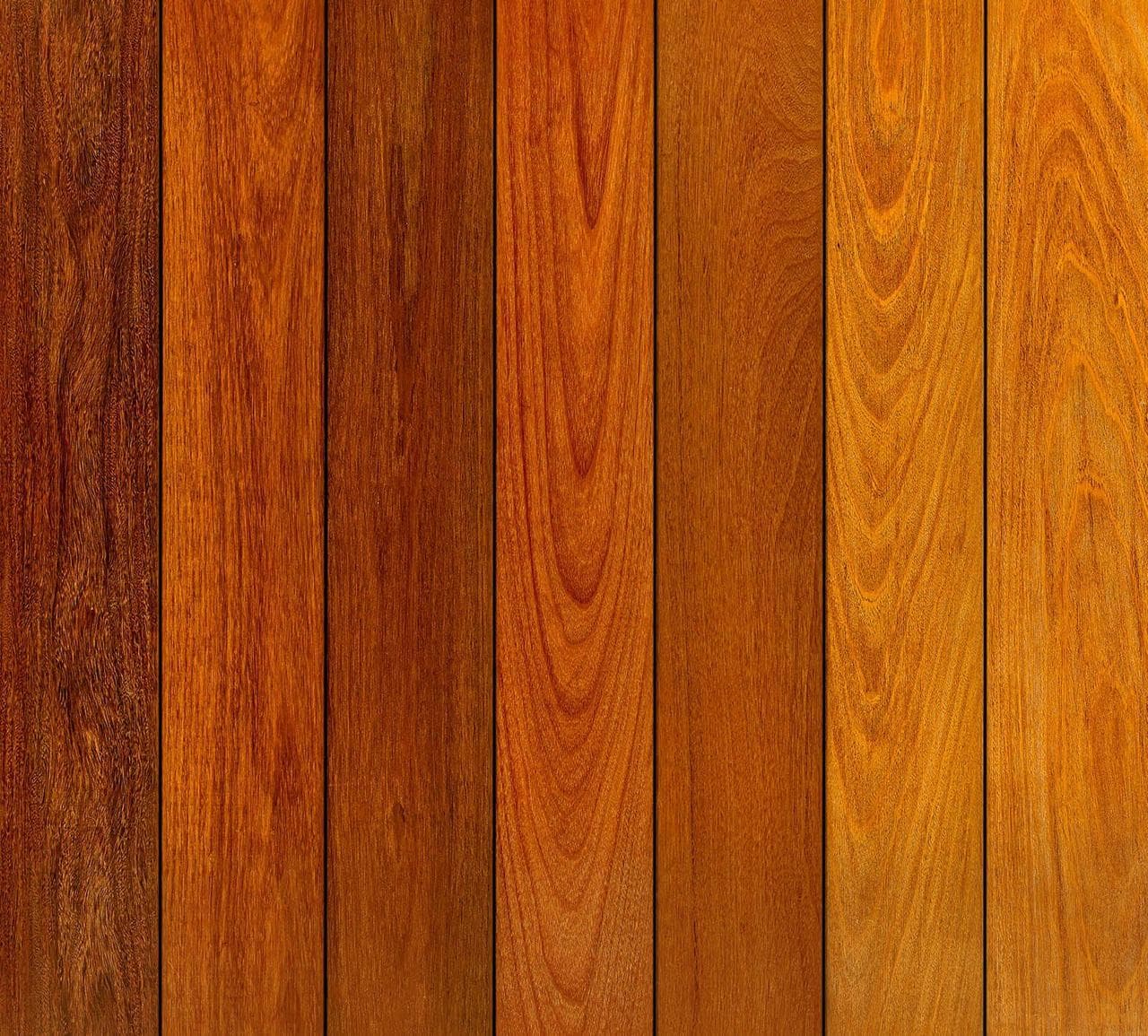
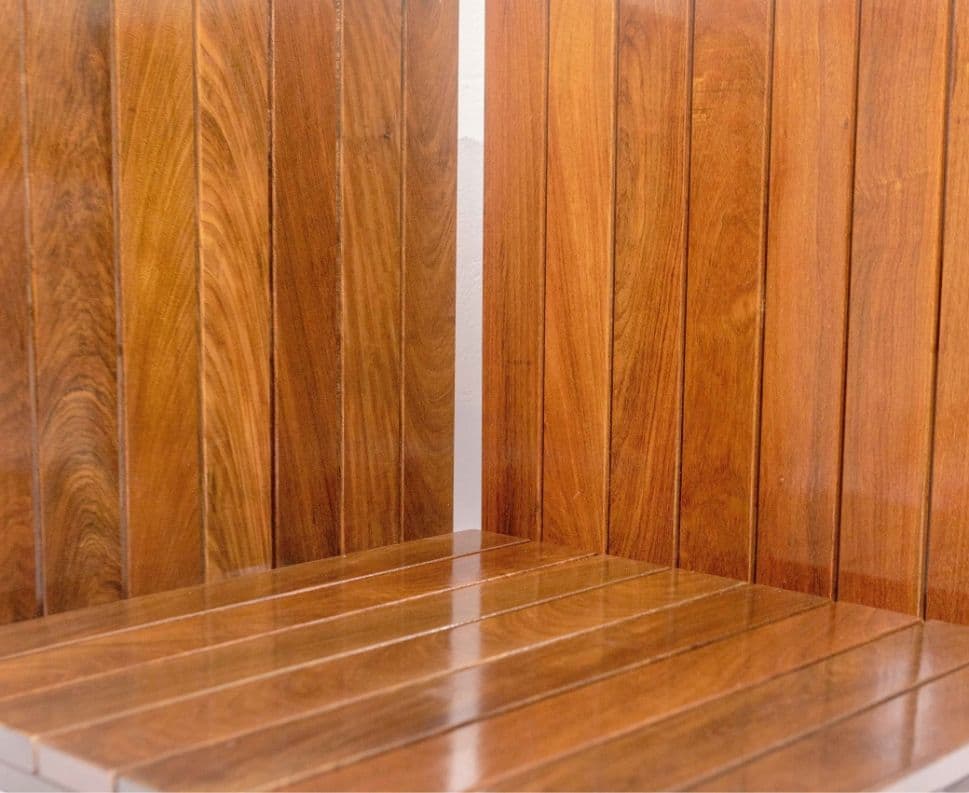
Hardwood is milled lumber — Ipe at Janka 3,510, Cumaru at 3,330, Garapa at 1,650 — kiln-dried and graded, nothing added. Composite is a wood-flour and polymer core wrapped in a plastic cap; Trex runs 95% recycled content. PVC is fully synthetic cellular plastic, board to core, available through Azek. Each step away from wood trades natural feel for lower upkeep.
3. Request a Project-Specific Quote
Material selection, profile, length mix, quantity, delivery territory and project access all affect the quote. Send the plans, square footage and project ZIP so the local branch can compare the available systems without publishing a price that may not match the actual project.
| Criteria | Hardwood (Ipe) | Composite | PVC |
|---|---|---|---|
| Quote inputs | Species, profile, lengths | Collection, color, profile | Collection, color, profile |
| Expected lifespan | 40–50+ years | 25–30 years | 30+ years |
| Maintenance | Optional annual oil | Soap-and-water wash | Soap-and-water wash |
| Surface heat, full sun | Moderate | High (dark colors) | Moderate–high |
| Rot and insects | Naturally immune | Cap-protected | Immune |
| Structural strength | Highest — longer spans | Needs 16" joists | Needs 12–16" joists |
| Feel and resale story | Real wood, premium | Engineered | Engineered |
4. The Maintenance Question, Honestly
"Maintenance-free" composite still needs washing to prevent mildew, and scratches or fade are permanent — there is no sanding a cap. Hardwood asks for one decision: oil it once a year to keep the brown, or let it silver to an even gray and touch it never. Neither choice affects structural life. Most of our contractor customers tell clients the honest version: hardwood is 30 minutes a year, not the weekend project the composite brochures imply.
5. Heat, Kids, and Bare Feet
In full summer sun, dark composite boards can hit temperatures that end barefoot season. Dense hardwood runs meaningfully cooler, and lighter PVC colors sit in between. If the deck wraps a pool in Florida or Texas, put board samples in the sun for an afternoon before committing — we hand them out for exactly this test.
6. Structure and Spans
A detail that surprises first-time builders: composite and PVC are decking surfaces, not structure. They require closer joist spacing — typically 16 inches, sometimes 12 on diagonals — which adds framing cost that never appears in the per-board comparison. Hardwood like Ipe and Angelim spans further and can serve structurally, which is why docks and boardwalks are framed and decked in the same species.
7. Sustainability Cuts Both Ways
Composite's recycled content is real, and so is the fact that a mixed plastic-wood board is not recyclable at end of life. FSC-managed hardwood stores carbon for half a century, then returns to the ground. Under our Green+ program every hardwood bundle traces to a certified Brazilian tract with selective harvest and replanted canopy. There is a defensible green argument for either — beware anyone who says otherwise.
The Bottom Line
Choose hardwood when lifespan, strength, and real wood underfoot matter most and a once-a-year ritual does not scare you. Choose composite when you want a set-and-forget surface in a moderate climate and the framing is already 16-inch. Choose PVC when water is the enemy — docks, pool surrounds, rooftops. And choose a supplier who stocks all three, because that is the only advice with nothing to sell you.