Permits Come First, Not Last
Most deck projects that stall, stall at the permit desk — not the lumber yard. Any deck over 30 inches off grade needs a permit in nearly every U.S. jurisdiction, and coastal counties add wind-load and flood-zone requirements on top. Pull the requirements before you sketch anything, because setbacks and height limits shape the design more than taste does.
Our branches supply spec sheets — species density, fastener ratings, span tables — that your engineer or contractor can file directly with the application. It is a ten-minute ask that saves weeks of back-and-forth, especially in high-velocity hurricane zones where product approval is mandatory.
Frame for the Surface You Actually Want
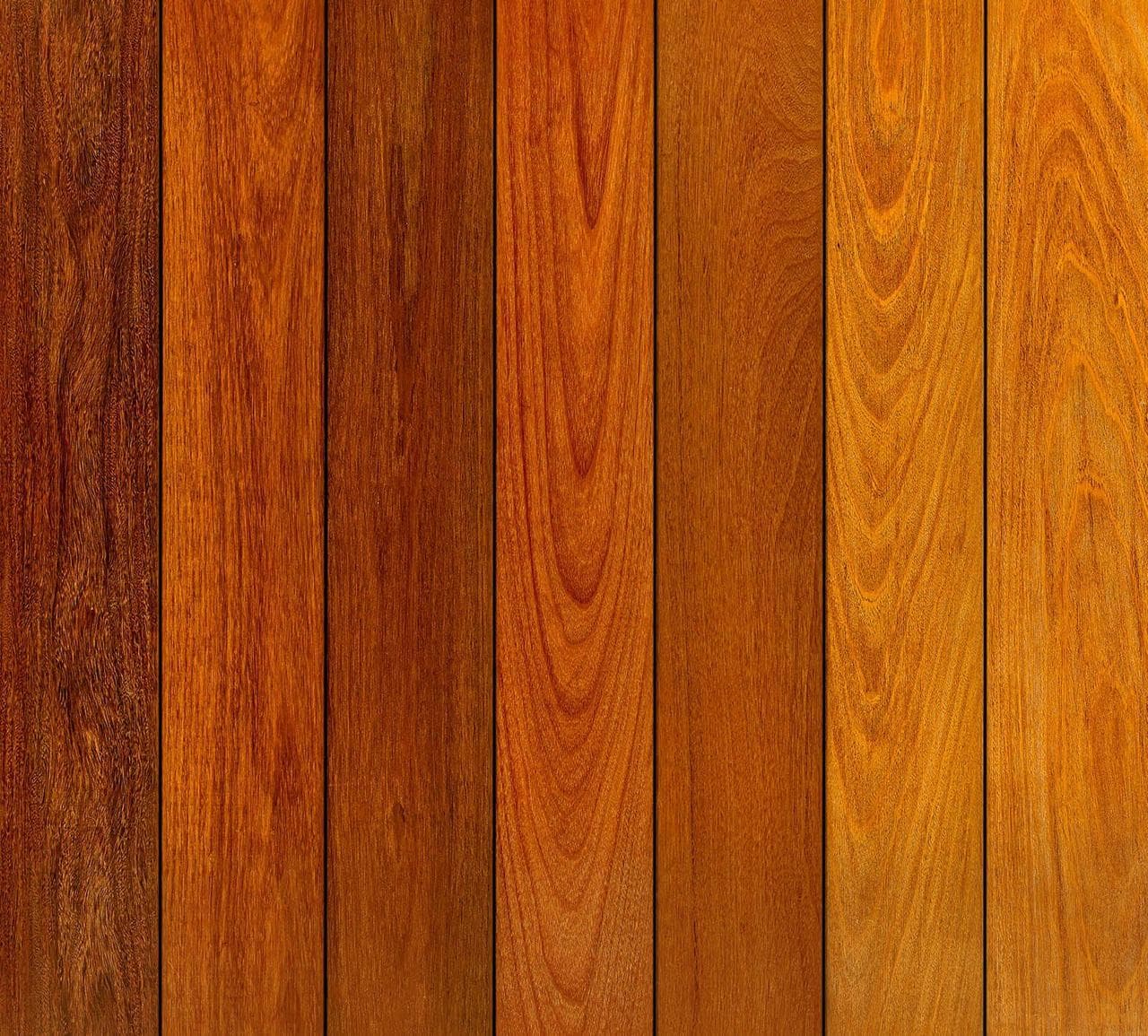
Joist spacing is decided by the decking, not the other way around. Dense hardwood like Ipe (Janka 3,510) spans comfortably at 24 inches on center in many profiles; composite and PVC need 16 inches, sometimes 12 on diagonal layouts. If there is any chance you will choose composite, frame at 16 — reframing later costs more than the boards.
Board direction matters too. Running boards parallel to the house reads wider; perpendicular reads deeper and usually sheds water toward the yard. Diagonal layouts look sharp but add 10–15% waste and tighter joist spacing. Decide direction before ordering, because it changes the length mix we pull for you.
Budget Math That Holds Up
Price the whole assembly, not the deck boards. Framing, footings, fasteners, railing, and stairs routinely double the board budget. Hidden fasteners cost more per square foot than face screws but preserve the surface and the resale story — on hardwood, most of our contractors consider them standard.
Then run cost per year instead of sticker price. Material cost depends on profile, length mix and current supply. Ask the branch to turn square footage into exact board counts so the budget is built on a current quote rather than allowances.
Order Early, Order Once
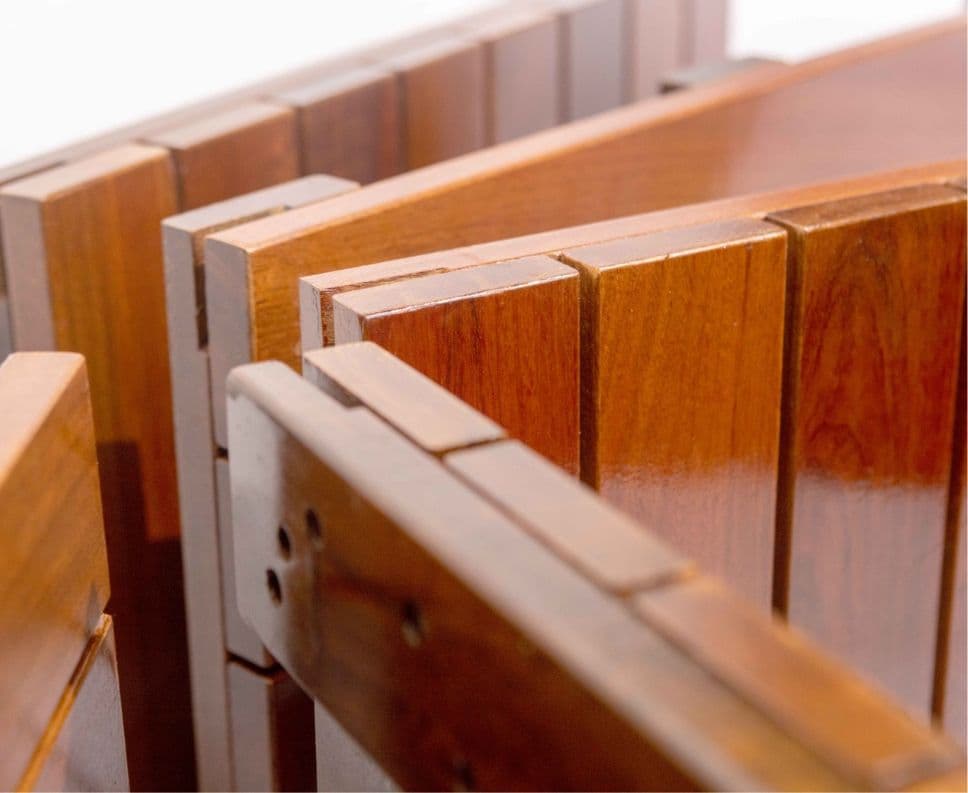
Kiln-dried premium-grade hardwood, milled on four sides, moves in container cycles — our yards receive Brazilian hardwood weekly, but specific length mixes can sell through. Lock the order two to three weeks before the framing inspection so the material acclimates on site, not on a backorder list.
One order can also simplify delivery. Our trucks coordinate job-site drops in branch territories, and freight partners cover the rest of North America. Tell the branch about access constraints up front so timing and the drop plan are confirmed before the order.