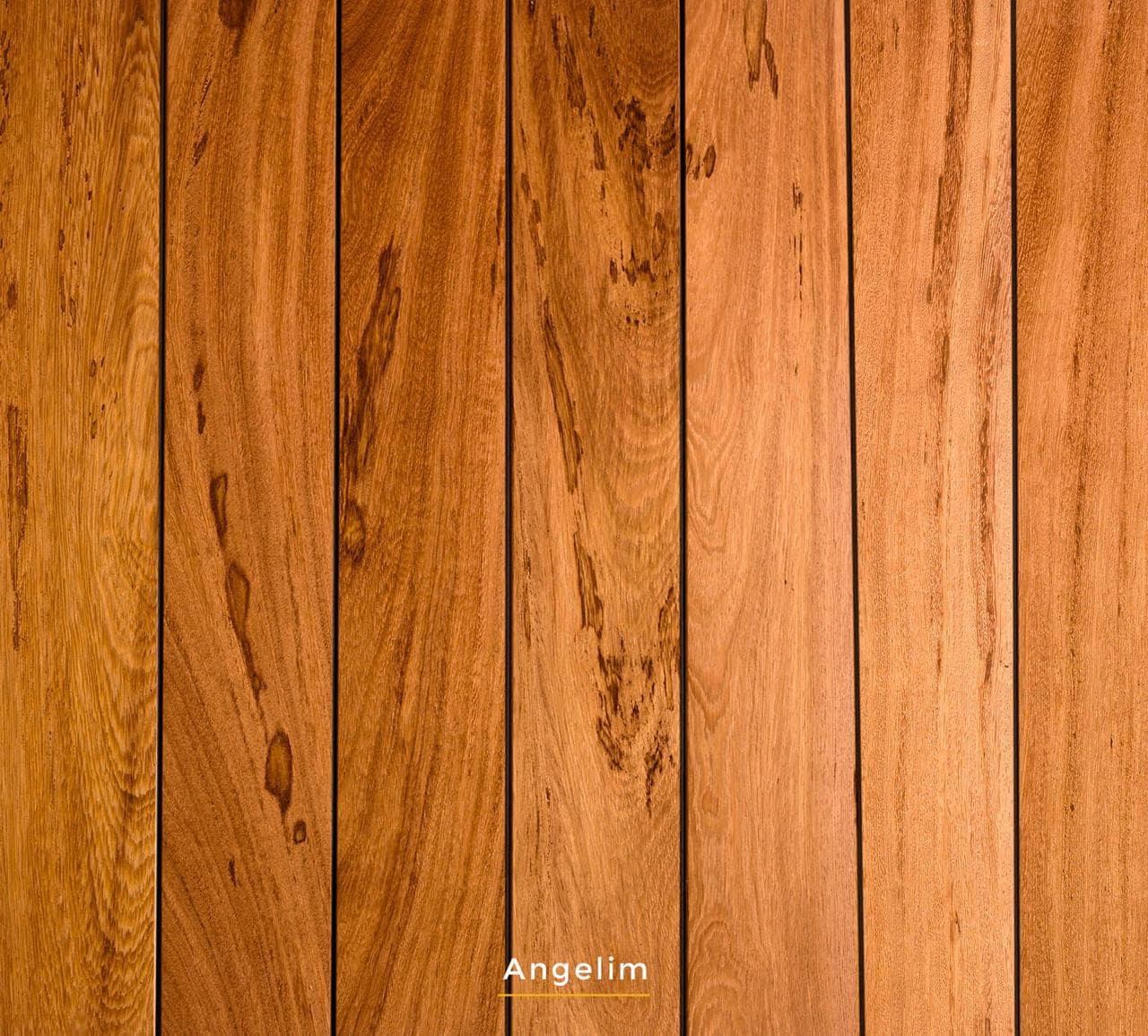
Understanding Angelim's Natural Resistance
Angelim is characterized by its density and stability, which contribute to its suitability for decking. The wood exhibits natural resistance to moisture and termites, factors that are important in any outdoor application, including those in areas prone to winter precipitation. Its density also contributes to its overall durability.
The inherent resistance to moisture means Angelim is less prone to certain types of water-related damage compared to some other wood species. This quality is particularly relevant in winter, where melting snow and ice can introduce prolonged periods of moisture exposure to deck surfaces. Regular maintenance and proper installation remain vital.
Site Preparation and Drainage for Winter Performance
Effective drainage is paramount for any deck exposed to winter conditions, and Angelim decking is no exception. Before installation, assess the site for proper water runoff. The ground beneath and around the deck should slope away from the structure to prevent water from pooling. Consider the impact of melting snow and ice, which can create significant amounts of water.
Ensure that the deck substructure is designed to allow for adequate ventilation and drainage. This includes proper spacing between joists and ensuring that no areas trap moisture. For ground-level decks, a well-drained gravel base can help prevent moisture from wicking up into the deck boards. For elevated decks, confirm that water can freely drain off and away from the supporting structure and the building it adjoins.
Installation Considerations for Cold Climates
When installing Angelim decking in a region with cold winters, specific practices can enhance its longevity. While Angelim is considered easy to install, pre-drilling is recommended for fasteners. This is particularly important for dense hardwoods to prevent splitting, which could be exacerbated by freeze-thaw cycles if not properly addressed.
Maintain appropriate spacing between deck boards. This spacing allows for natural expansion and contraction of the wood due to changes in temperature and humidity, and critically, it facilitates water drainage. Without adequate gaps, water from melting snow can sit on the deck surface or get trapped between boards, potentially leading to issues. Consult the manufacturer's specific guidelines for board spacing to ensure optimal performance.
Consider using compatible fasteners designed for outdoor use and for dense hardwoods. Fasteners that can withstand temperature fluctuations and provide a secure hold are important for the long-term stability of the deck.
Managing Snow, Ice, and Deicers
While Angelim is moisture-resistant, allowing snow and ice to accumulate on the deck for extended periods is not advisable. Regular snow removal can help reduce prolonged moisture exposure. When clearing snow, use plastic shovels or snow pushers to avoid scratching or damaging the deck surface. Metal tools can leave marks or gouges.
Regarding deicers, exercise caution. Many chemical deicers contain salts that can be corrosive to wood and fasteners over time. If deicers are necessary for safety, choose products explicitly labeled as safe for wood decking. Sand can be a less corrosive alternative for improving traction, but ensure it is clean and free of abrasive particles that could scratch the surface. Always rinse the deck thoroughly once winter passes to remove any lingering residue from deicers or sand.
Post-Winter Inspection and Maintenance
After the winter season, a thorough inspection of your Angelim deck is recommended. Look for any signs of standing water, loose fasteners, or areas where moisture may have accumulated. Address any issues promptly. This may include cleaning debris from between boards to ensure proper drainage or tightening any fasteners that may have loosened.
Angelim is absorptive, making it amenable to finishing with stains and oils. While not strictly required for its durability, applying a suitable finish can help protect the wood from UV radiation and further enhance its resistance to moisture. If you choose to apply a finish, ensure the deck is clean and dry before application. Regular cleaning throughout the year, especially after winter, helps remove dirt and grime that can trap moisture.
Hypothetical Project Example: A 12x16 Foot Deck in a Winter Climate
Consider a hypothetical 12-foot by 16-foot Angelim deck project in a region that experiences heavy snowfall and freezing temperatures. The homeowner selects 1x6 inch Angelim decking boards. To calculate the approximate number of boards needed, we first determine the total deck area: 12 feet * 16 feet = 192 square feet.
Assuming a standard 1x6 inch board (which is typically 5.5 inches wide in actual dimension), each linear foot of board covers approximately 0.458 square feet (5.5 inches / 12 inches per foot). To cover 192 square feet, you would need approximately 419 linear feet of boards (192 sq ft / 0.458 sq ft/linear ft).
If boards are available in 16-foot lengths, you would need about 27 boards (419 linear ft / 16 linear ft/board). This calculation is for coverage only and does not account for waste due to cuts, end matching, or specific layout patterns. It is always recommended to add 10-15% for waste. This calculation also assumes the deck is a simple rectangle. More complex designs or varying board lengths would require a detailed cut plan.
Before you order
- Has the site been assessed for proper drainage away from the deck structure?
- Is the deck substructure designed for adequate ventilation and moisture escape?
- Are the chosen fasteners suitable for dense hardwoods and outdoor, fluctuating temperatures?
- Are specific board spacing guidelines from the manufacturer being followed to allow for drainage and movement?
- Is a plan in place for regular snow removal using non-metal tools?
- If deicers are considered, are they verified as safe for wood decking?
- Is there a post-winter inspection and cleaning routine planned for the deck?
- Has the choice of finish (if any) been considered for its compatibility and protective qualities in winter conditions?
Confirm installation details, approved uses and warranty terms in the current instructions for the exact product and profile. Your installer should verify the substrate, structure and applicable project requirements.
Questions to help you decide
Can Angelim decking withstand heavy snow loads?
Angelim is a dense and stable hardwood, contributing to its overall strength. While the wood itself is robust, the ability of a deck to withstand heavy snow loads depends primarily on the structural design and engineering of the deck's substructure, including joist spacing and beam sizing. Consult with a qualified builder or engineer to ensure your deck's design meets local building codes for snow loads in your area.
Does Angelim decking require a special finish for winter protection?
Angelim possesses natural resistance to moisture. While a finish is not strictly required for its durability, applying a suitable exterior oil or stain can offer additional protection against UV degradation and help maintain its color. A finish can also help repel surface moisture. Ensure any chosen finish is compatible with hardwoods and suitable for outdoor use. Always follow the finish manufacturer's application instructions.
How should I clean my Angelim deck after winter?
After winter, clean your Angelim deck by sweeping away any debris, leaves, or accumulated grime. You can then use a soft-bristle brush and a mild, pH-neutral deck cleaner mixed with water to gently scrub the surface. Rinse thoroughly with a garden hose. Avoid using high-pressure washers, as they can damage the wood fibers. Ensure the deck is completely dry before considering any new finishes or sealants.
Ready to Plan Your Angelim Decking Project?
For a material quote tailored to your project dimensions, desired profile, and ZIP code, reach out to our team. We can help confirm current availability and service options for Angelim decking, and discuss complementary products like hardwood decking, composite decking, and PVC decking.
Request a material quote →