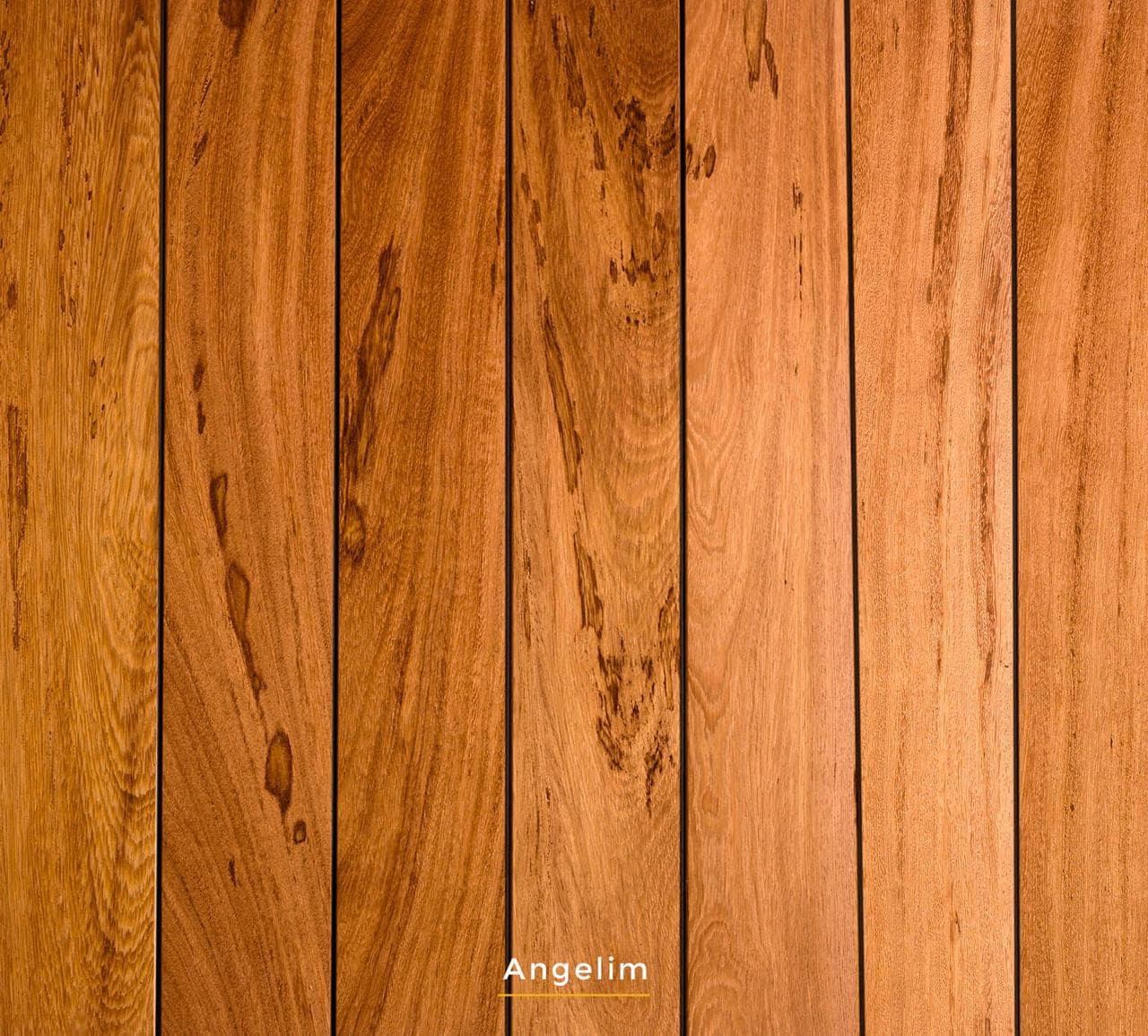
Understanding Angelim Decking Characteristics
Angelim (Hymenolobium spp., also known as Angelim Pedra) is a hardwood originating from Brazil, recognized for its strength and durability. Its heartwood typically displays a yellowish-beige color that deepens to a pinkish-brown over time. This material is noted for its density, stability, and natural resistance to termites and moisture, making it suitable for outdoor applications.
Its density and stability are key factors in its suitability for heavy-duty applications. It is also described as absorptive, which generally means it can accept stains and oils for finishing, though pre-drilling is recommended during installation due to its hardness. These inherent properties influence how it interacts with existing structures and fasteners.
Assessing Your Existing Deck Frame and Substructure
The integrity of your existing deck's frame is the most critical factor in any renovation project. Angelim decking, being a dense hardwood, will add significant weight compared to some lighter materials. You must verify that the existing joists, beams, and support posts are structurally sound and free from rot, insect damage, or significant warping.
Carefully inspect all load-bearing components. Look for any signs of decay, especially where wood meets the ground, where fasteners penetrate, or in areas prone to water accumulation. Check for loose connections, excessive deflection (sagging) in joists, or any movement in the ledger board connecting the deck to your house. If the existing frame shows compromise, it may need repair or complete replacement before new decking can be installed. Consulting a structural engineer or a qualified contractor for this assessment is often recommended to ensure safety and compliance with local building practices.
Evaluating Fastener Compatibility and Requirements
Angelim decking can be installed using either face fastening or hidden fastening systems. When renovating, consider the type of fasteners used in your previous deck and whether they are compatible with Angelim's density and your desired aesthetic. Due to its hardness, pre-drilling is typically recommended for Angelim when using face fasteners to prevent splitting and ensure secure attachment.
If you plan to use a hidden fastening system, ensure your joist spacing and the thickness of the Angelim boards are compatible with the specific system you choose. Some hidden fasteners require specific board profiles or groove types. Reviewing manufacturer guidelines for both the decking and the fastening system is crucial for a successful and durable installation.
Drainage, Ventilation, and Moisture Management
Proper drainage and ventilation beneath your deck are vital, especially when installing a durable, moisture-resistant material like Angelim. Ensure that the area under your deck allows for adequate airflow to prevent moisture buildup, which can lead to issues with the substructure over time. Confirm that rainwater can effectively drain away from the foundation and off the deck surface.
Inspect the ground beneath the deck for any standing water issues or poor grading. Addressing these problems before installing new decking can significantly extend the life of your entire deck structure. Good ventilation helps to equalize moisture content in the wood, reducing the risk of warping or cupping in the decking boards.
Worked Example: Renovation Assessment for a 10x12 Foot Deck
Consider a hypothetical 10-foot by 12-foot deck (120 sq ft) with an existing pressure-treated pine frame, built 15 years ago. The homeowner wants to upgrade to Angelim decking.
We find no visible rot or insect damage on the joists or beams. However, two of the 4x4 posts show minor surface decay at ground level. The ledger board attachment to the house appears solid, and there is no noticeable deflection in the joists when walked on.
2. **Weight Consideration:** The original decking was standard 5/4 treated pine. Angelim decking (e.g., 1x6 profile) is denser. A quick estimate shows the total decking weight will increase. The existing frame, being 15 years old but structurally sound, is deemed adequate to handle the increased load, but a professional assessment confirms this.
For the Angelim renovation, the homeowner prefers a cleaner look and opts for a hidden fastening system compatible with 1x6 Angelim boards.
4. **Drainage/Ventilation:** The area beneath the deck is sloped away from the house, and there is good airflow. No standing water is observed. The homeowner decides to add a gravel layer under the deck to further improve moisture control and inhibit weed growth.
**Outcome:** Based on the assessment, the existing frame is largely suitable, with the need to replace two compromised 4x4 posts. The choice of Angelim and a hidden fastening system is feasible, provided the specific fastener system is compatible with the board profile and joist spacing. The total square footage requiring Angelim decking is 120 sq ft. If using 1x6 boards (nominal 5.5 inches wide) and accounting for waste and cuts, approximately 265 linear feet of Angelim would be needed, assuming standard lengths and a straightforward layout.
Before you order
- Assess existing deck frame for rot, insect damage, and structural integrity.
- Verify joist, beam, and post condition, especially at connection points and ground contact.
- Determine if the existing frame can support the increased weight of Angelim hardwood.
- Inspect the ledger board attachment to the house for stability and proper flashing.
- Evaluate current fastener type and plan for compatible hidden or face fastening for Angelim.
- Confirm joist spacing is suitable for the chosen Angelim board profile and fastening method.
- Check under-deck drainage and ventilation to prevent moisture buildup.
- Address any existing issues with grading or standing water beneath the deck.
- Consider the need for professional structural engineering review or contractor consultation.
Confirm installation details, approved uses and warranty terms in the current instructions for the exact product and profile. Your installer should verify the substrate, structure and applicable project requirements.
Questions to help you decide
Can I install Angelim decking directly onto my old deck frame?
You can, but it is crucial to first thoroughly inspect your existing frame. Angelim is a dense hardwood, and the frame must be structurally sound, free of rot or damage, and capable of supporting the increased weight. Any compromised joists, beams, or posts should be repaired or replaced before installation.
Does Angelim decking require special fasteners for renovation projects?
Angelim can be installed with face fasteners or hidden fastening systems. Due to its density, pre-drilling is recommended for face fastening to prevent splitting. For hidden fasteners, ensure the system is compatible with Angelim's profile and your existing joist spacing. Always refer to the product and fastener manufacturer's guidelines.
What maintenance is needed for Angelim decking after renovation?
Angelim is naturally resistant to insects and moisture. It is also described as absorptive, making it suitable for finishing with stains and oils if you wish to maintain its original yellowish-beige to pinkish-brown color. If left unfinished, Angelim will naturally weather to a silver-gray patina. Regular cleaning to remove debris is generally recommended for any deck.
Ready to Plan Your Angelim Decking Renovation?
Request a material quote with your project dimensions, desired Angelim profile, and ZIP code to confirm current availability and service options for your renovation.
Request a material quote →