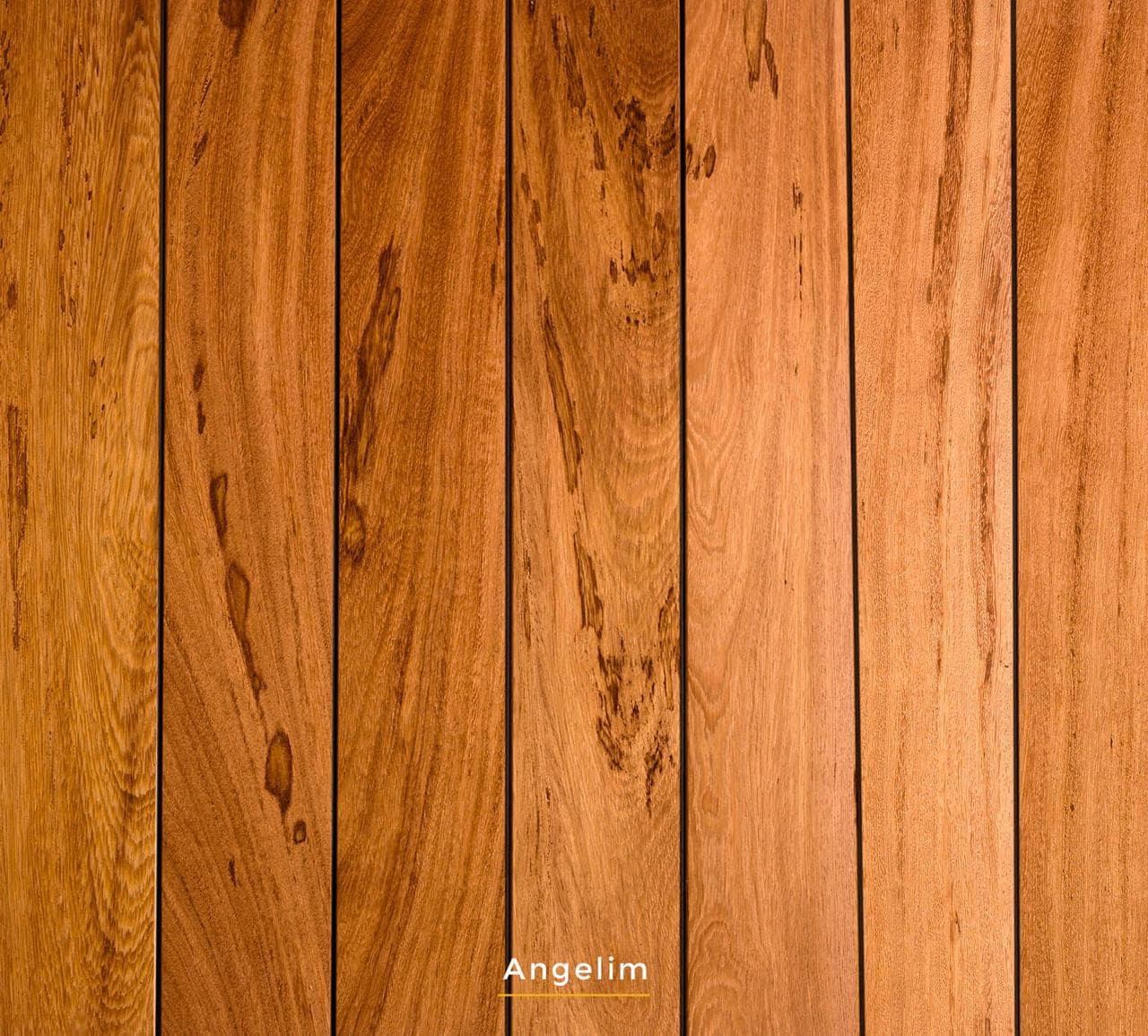
Understanding Angelim Decking's Properties
Angelim (Hymenolobium spp.), also known as Angelim Pedra, is a dense hardwood with a specific gravity of 0.79 and an air dry density of 5.58 lbs/bf. These characteristics contribute to its durability and stability, which are important for decking materials.
The wood is described as very durable, with natural resistance to insects, rot, fungi, termites, and moisture. This makes it a suitable choice for exterior use where exposure to environmental factors is expected.
The heartwood of Angelim is initially yellowish-beige and darkens to a pinkish-brown. The sapwood is white to grayish. This natural color change is a characteristic of many hardwoods when exposed to UV light and weathering. It is also an absorptive wood, which can make it receptive to stains and oils for finishing.
Considering Sun Exposure and Surface Temperature
Decks in full sun can experience elevated surface temperatures. While Angelim is a dense hardwood, all decking materials absorb and radiate heat to some degree. The exact surface temperature will depend on factors like ambient air temperature, direct sunlight intensity, deck color, and even the surrounding landscape.
Darker finishes or the natural darkening of the wood under UV exposure may lead to higher surface temperatures compared to lighter finishes. If comfort for bare feet is a primary concern, consider how the deck will be used during the hottest parts of the day. Providing shaded areas through pergolas, umbrellas, or strategic planting can help mitigate extreme surface heat.
While Angelim is resistant to moisture, consistent cycles of heating and cooling can contribute to the natural movement of wood. Proper installation, including appropriate gapping between boards, is crucial to accommodate this movement and allow for ventilation.
Color Evolution and Maintenance in Full Sun
Angelim's heartwood will naturally darken from yellowish-beige to pinkish-brown over time, especially with exposure to sunlight. If left unfinished, the wood will eventually weather to a silver-gray patina, a common characteristic of many hardwoods outdoors.
To maintain the original color tones, regular application of a UV-inhibiting oil or stain is generally recommended. Because Angelim is absorptive, it is considered easy to finish with stains and oils. The frequency of reapplication will depend on the product used, the intensity of sun exposure, and local climate conditions.
Choosing to let the wood weather naturally to a silver-gray can be a low-maintenance option for color, but regular cleaning is still advised to remove dirt and mildew and preserve the wood's integrity. Always refer to specific product instructions for cleaning and finishing Angelim decking.
Planning for Shade and Comfort
For decks in full sun, integrating shade solutions into your design can significantly enhance comfort and usability. This is particularly relevant for areas intended for seating, dining, or extended periods of relaxation.
Consider permanent structures like pergolas or shade sails for consistent coverage. For more flexible options, cantilever umbrellas or retractable awnings can provide shade on demand. The placement of these elements should account for the sun's path throughout the day and year to maximize their effectiveness.
Strategic landscaping, such as deciduous trees, can also offer seasonal shade, providing cover in summer and allowing sun penetration in winter. When planning, visualize how the sun will track across your deck and where shade will be most beneficial.
Worked Example: Planning for a Sun-Exposed Deck
Consider a hypothetical 12-foot by 16-foot deck that is entirely exposed to full southern sun. The homeowner prioritizes durability and natural wood aesthetics but also wants to mitigate surface heat.
For this 192-square-foot deck, Angelim decking is selected for its stability and resistance to moisture and insects. The homeowner decides to initially apply a UV-inhibiting oil to preserve the rich pinkish-brown tones but understands the need for periodic reapplication.
To address surface heat, a 10-foot by 13-foot freestanding pergola is planned for the dining area of the deck. This allows for partial shade during peak sun hours, providing comfort for outdoor meals. Additionally, a large cantilever umbrella is chosen for a separate lounging area, offering adjustable shade.
When calculating the material needed, the 12-foot by 16-foot dimensions mean approximately 192 square feet of coverage. If using 1x6 Angelim decking boards (actual width approximately 5.5 inches), each linear foot covers roughly 0.46 square feet. Therefore, approximately 417 linear feet of decking would be needed for area coverage. Factoring in cuts, waste, and specific board lengths available (e.g., 4-20 ft), a realistic purchase quantity would involve ordering a percentage extra, often 10-15%, to ensure sufficient material and allow for optimal board selection.
The project also includes specifying appropriate fasteners that accommodate the density of Angelim and allow for slight seasonal movement, as recommended for hardwoods.
Before you order
- Assess the exact sun exposure duration and intensity for your deck area.
- Consider the potential for elevated surface temperatures and plan for comfort.
- Decide whether to let Angelim weather to a silver-gray or maintain its color with finishes.
- Factor in the maintenance schedule for any chosen finish.
- Plan for shade solutions (pergolas, umbrellas, landscaping) to enhance usability.
- Review installation guidelines for Angelim, especially regarding gapping and fastening.
- Request physical samples to observe color and grain before making a final decision.
Confirm installation details, approved uses and warranty terms in the current instructions for the exact product and profile. Your installer should verify the substrate, structure and applicable project requirements.
Questions to help you decide
Does Angelim decking get hot in full sun?
Like all decking materials, Angelim decking can absorb heat and become warm in full sun. The exact surface temperature depends on factors such as ambient air temperature, direct sunlight intensity, and the color of the deck. Darker finishes or the natural darkening of the wood can lead to higher temperatures. Planning for shade solutions like pergolas or umbrellas can help mitigate extreme heat.
How does full sun affect the color of Angelim decking?
Angelim heartwood starts as a yellowish-beige and naturally darkens to a pinkish-brown with sun exposure. If left unfinished, it will eventually weather to a silver-gray patina, a common process for many hardwoods outdoors. To retain the original color tones, applying a UV-inhibiting oil or stain is recommended, with periodic reapplication based on product specifics and sun exposure.
Is Angelim resistant to sun-related damage?
Angelim is a very durable hardwood with natural resistance to moisture, termites, and fungi, contributing to its longevity in outdoor environments. While it is robust, sun exposure will cause natural color changes and contribute to the weathering process. Proper installation and maintenance, including appropriate gapping and optional finishing, help ensure its long-term performance.
Ready to Plan Your Sun-Exposed Angelim Deck?
For a material quote tailored to your project dimensions, desired profile, and ZIP code, please contact us. Our team can also confirm current availability and service options for Angelim decking, Ipe decking, composite decking, and PVC decking.
Request a material quote →