Understanding Angelim Decking Material Characteristics
Angelim decking is prized for its density and stability, which contribute to its durability and suitability for outdoor use. This density also means the material can be heavy, especially in larger profiles or longer lengths. For instance, Angelim has an air dry density of 5.58 lbs/bf and a specific gravity of 0.79. These figures indicate that individual boards can be substantial, requiring adequate manpower or mechanical assistance for unloading and movement.
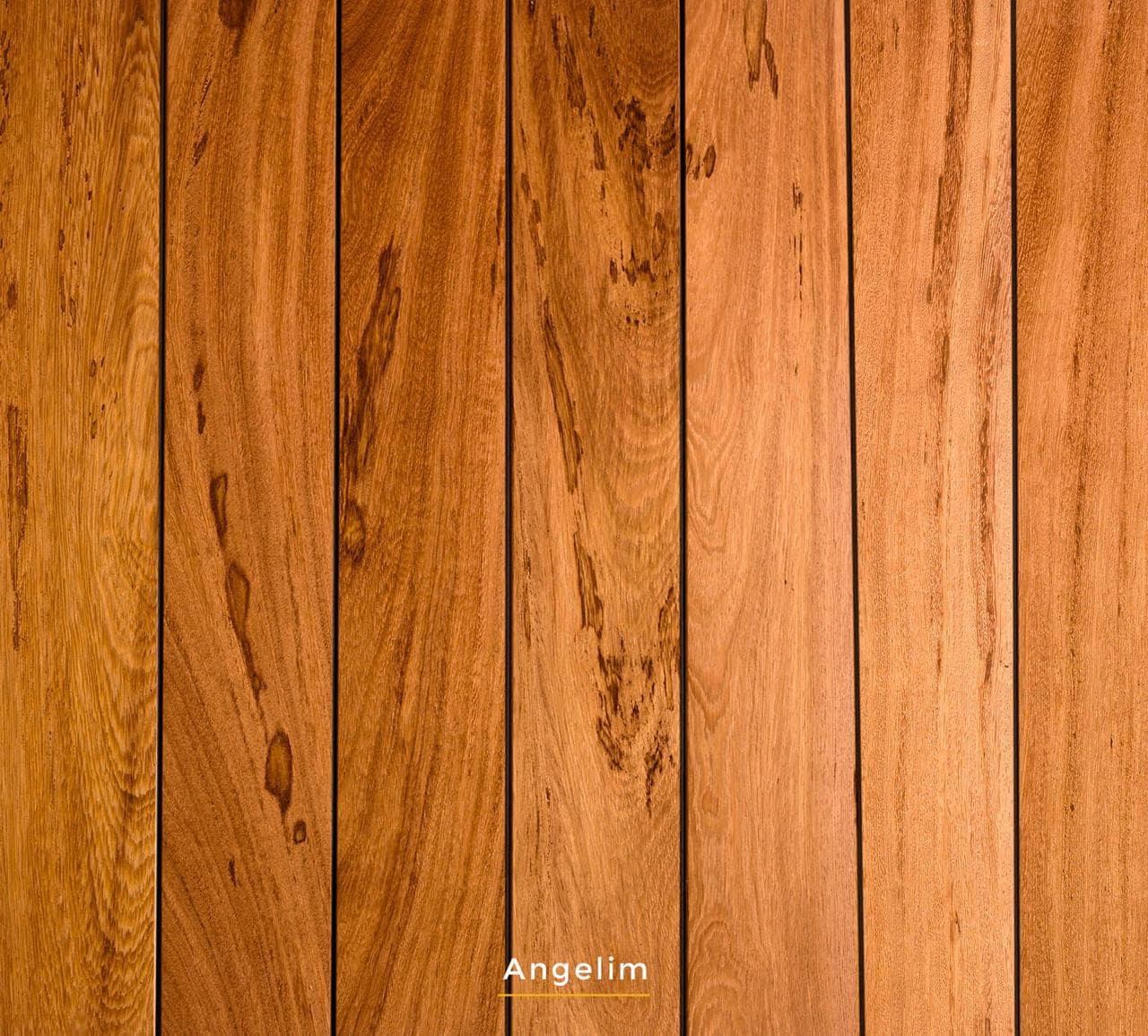
The wood's natural resistance to insects, rot, and fungi is a key advantage, but it still benefits from protection during storage. While resistant to moisture, prolonged exposure to direct rain or ground contact before installation can lead to surface discoloration or affect its readiness for finishing. The heartwood is described as yellowish beige, darkening to pinkish brown, and the sapwood is white to greyish. Protecting these surfaces from dirt and prolonged UV exposure during storage helps maintain their initial appearance.
Angelim is available in various profiles, from 1x4 to 6x6, and lengths ranging from 4 to 20 feet, depending on the profile. The specific dimensions and total board footage of your order will directly impact the total weight and space needed for delivery and storage. Longer and thicker boards naturally weigh more and require more careful handling to prevent warping or damage during transport and staging.
Pre-drilling is often recommended for Angelim during installation due to its density. This characteristic also implies that the wood is rigid and less forgiving of rough handling or improper support during storage.
Planning for Delivery: Access and Unloading
Before your Angelim decking arrives, confirm the delivery vehicle type and size with your supplier. Decking orders can be substantial, often requiring large trucks. Assess your street access, driveway width, and any overhead obstructions like power lines or tree branches that might impede a large vehicle.
Consider the unloading process. Will the delivery include a liftgate service, or will you need to arrange for a forklift or sufficient manual labor? Given the weight of Angelim, manual unloading requires multiple individuals, especially for longer boards. Plan for at least two to four people for safe handling, depending on board length and thickness.
Designate a clear, level area for unloading that is as close to the storage location as possible to minimize additional handling. Ensure this area is free from debris, mud, or anything that could damage the wood or pose a safety hazard. If the delivery is to a sloped area, consider how gravity might affect moving heavy bundles of lumber and plan accordingly to prevent runaway materials or strain.
Communicate any specific site restrictions or preferred delivery times with your supplier well in advance. This proactive approach helps avoid costly redelivery fees or delays if the initial attempt is unsuccessful due to unforeseen access issues.
Jobsite Storage: Protecting Your Investment
Once unloaded, Angelim decking should be moved to a designated storage area immediately. The ideal storage location is flat, dry, and sheltered from direct sunlight and rain. A garage, covered patio, or a temporary tarped structure can work. If storing outdoors, elevate the bundles off the ground using stickers or blocking to allow for air circulation and prevent moisture absorption from the soil.
Stack the decking neatly and evenly, using additional stickers between layers if storing for an extended period. This helps maintain consistent air flow around all surfaces of the boards, reducing the risk of warping or cupping. Keep the stacks covered with a waterproof tarp, ensuring the tarp is secured but allows for some ventilation to prevent condensation buildup.
Protect the ends of the boards. While Angelim is resistant to moisture, end grain is more susceptible to rapid moisture exchange, which can lead to checking or splitting. Applying an end sealer to fresh cuts or ensuring ends are well-covered during storage can help. Avoid storing near heat sources or in areas with extreme temperature fluctuations, as this can also contribute to stress on the wood.
Consider security. Valuable hardwood like Angelim can be a target for theft. If storing on an open jobsite, take measures to secure the materials, such as chaining bundles together or placing them in a locked shed if available.
Worked Example: Angelim Decking Delivery and Staging
Consider a hypothetical project requiring 500 linear feet of 1x6 Angelim decking, with an average board length of 12 feet. Each 1x6 board measures approximately 0.75 inches thick by 5.5 inches wide, or about 0.34 square feet per linear foot. So, 500 linear feet is roughly 170 board feet. Given Angelim's air dry density of 5.58 lbs/bf, the total weight for 170 board feet would be approximately 948.6 pounds.
This weight, while not extreme, is substantial for manual handling. A typical 12-foot 1x6 board would weigh around 11.3 pounds (12 linear feet * 0.34 bf/lf * 5.58 lbs/bf). Moving 40-50 such boards would be a significant task. If these boards arrive in bundles, each bundle could weigh hundreds of pounds.
For delivery, a standard flatbed truck might be used. If the jobsite is a suburban backyard with a narrow driveway, a liftgate service would be beneficial to lower bundles to the street level. From there, two people could reasonably carry individual boards or smaller sub-bundles to a designated storage area. If a forklift is available, it could move larger bundles directly to the storage point, reducing manual labor.
The storage area chosen is a corner of the garage, cleared and swept. Pallets are laid down to elevate the wood 6 inches off the concrete floor. The Angelim boards are stacked neatly on the pallets, with 1x2 stickers placed every 2 feet between layers to ensure even air circulation. A breathable tarp covers the stack to protect it from dust and accidental splashes, but is not sealed tightly to allow air flow. This setup protects the wood from ground moisture, prevents warping, and keeps it ready for installation.
Jobsite Safety and Efficiency Considerations
Safety is paramount during material handling. Always wear appropriate personal protective equipment (PPE), including gloves, safety glasses, and steel-toed boots. When lifting heavy boards, use proper lifting techniques to avoid back injuries. Clear pathways to and from the storage area should be maintained to prevent trips and falls.
Efficient jobsite access goes beyond just delivery. Consider how materials will be moved from storage to the actual work area. If the deck is in a backyard, will you need to navigate narrow gates, stairs, or uneven terrain? Planning these routes in advance can save time and effort during installation.
Keep the work area organized. As boards are pulled from storage for cutting and installation, return unused pieces to the stack or a designated offcut pile. This prevents clutter, reduces the risk of tripping, and helps track material usage. A tidy jobsite is generally a safer and more productive jobsite.
Coordinate with your installation team or contractor regarding material delivery and staging. Their experience with similar projects can provide valuable insights into the most efficient and safest methods for handling Angelim decking on your specific site. Early communication can prevent misunderstandings and logistical hurdles.
Before you order
- Confirm delivery vehicle size and access requirements (street width, overhead clearance).
- Determine unloading method: liftgate, forklift, or manual labor (plan for adequate personnel).
- Identify a clear, level, and accessible unloading zone.
- Select a flat, dry, and sheltered storage location for the decking.
- Ensure storage area is elevated off the ground (e.g., using pallets or blocking).
- Plan for proper stacking with stickers for air circulation.
- Securely cover stored decking with a waterproof, breathable tarp.
- Consider security measures for valuable materials.
- Map out pathways from storage to the installation area.
- Confirm PPE requirements for all personnel handling materials.
- Communicate all logistics details with your supplier and installation team.
Confirm installation details, approved uses and warranty terms in the current instructions for the exact product and profile. Your installer should verify the substrate, structure and applicable project requirements.
Questions to help you decide
How heavy is Angelim decking?
Angelim decking is considered a dense hardwood. It has an air dry density of 5.58 lbs/bf (pounds per board foot). This means individual boards can be quite heavy, especially longer or thicker profiles, requiring careful handling during delivery and staging.
What is the best way to store Angelim decking on a jobsite?
The best way to store Angelim decking is in a flat, dry, and sheltered location, protected from direct sunlight and rain. Elevate the bundles off the ground using pallets or blocking to ensure air circulation. Stack boards neatly with stickers between layers and cover with a waterproof but breathable tarp to prevent moisture damage and warping.
Do I need special equipment for Angelim decking delivery?
Depending on the size and weight of your order, special equipment might be necessary. Large orders often require a forklift for unloading, or a liftgate service if a forklift isn't available on site. For manual unloading, ensure you have sufficient personnel to safely handle the heavy boards, especially for longer lengths, to prevent injury or damage to the material.
Request a Quote for Angelim Decking Materials
Ready to plan your Angelim decking project? Provide your project dimensions, desired profile, and ZIP code to request a material quote. We can also confirm current availability and service options for your area. Visit our Angelim decking product page for more details: Angelim Decking.
Request a material quote →