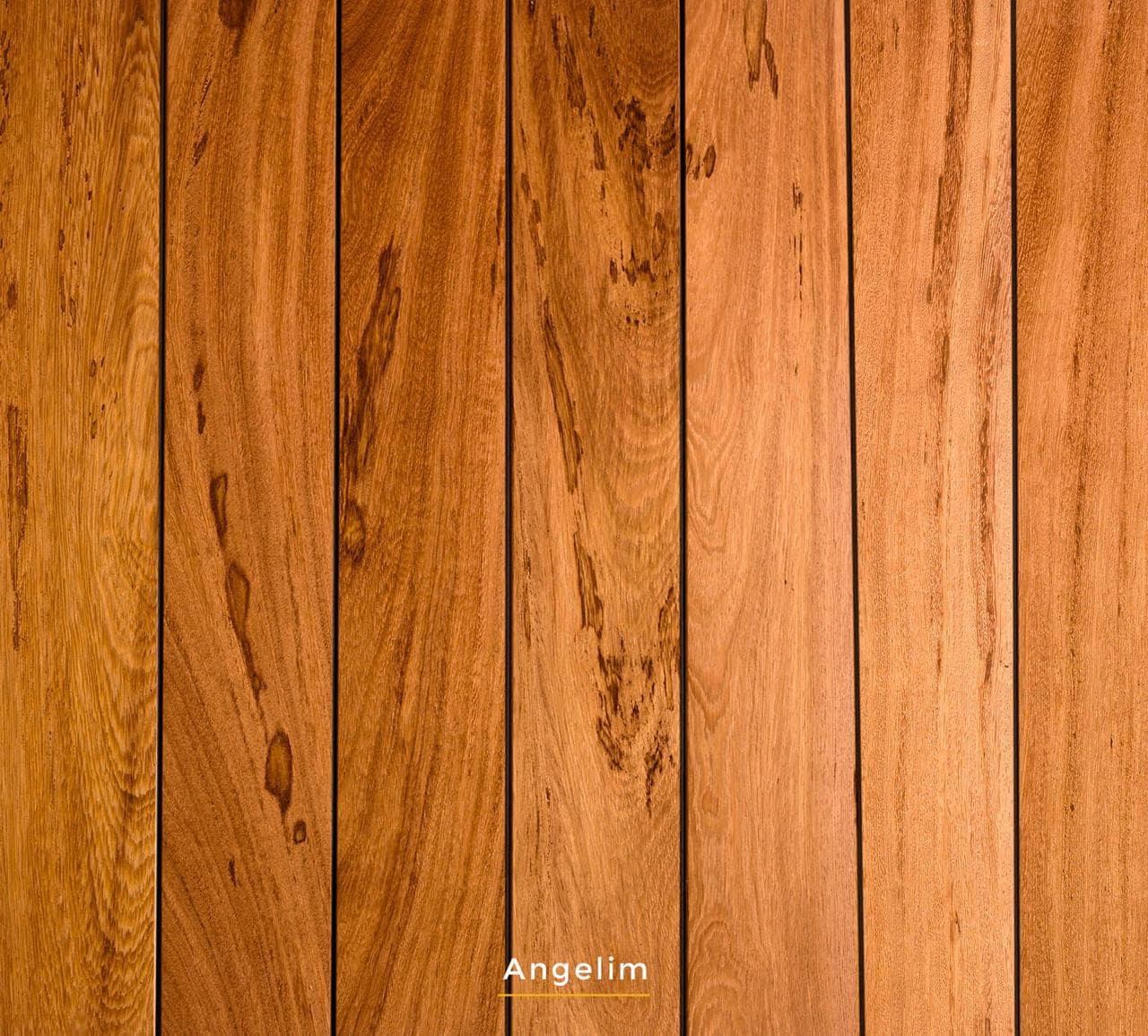
Understanding Angelim Decking's Characteristics
Angelim (Hymenolobium spp.), also known as Angelim Pedra, is a dense and stable hardwood originating from Brazil. Its natural properties make it suitable for outdoor use, including resistance to insects, rot, fungi, termites, and moisture. The wood's density and stability are key factors influencing how it reacts to various cleaning agents.
Angelim is described as absorptive, which means it can readily take on stains and oils when finishing. This characteristic also suggests that it can absorb cleaning solutions, making the choice of product crucial to avoid unwanted absorption of harsh chemicals that could affect its color or integrity over time. Understanding these natural attributes is the first step in selecting appropriate cleaning methods and products.
The heartwood of Angelim is yellowish beige, which darkens to a pinkish brown. Its sapwood is white to greyish. Aggressive cleaning agents or those with strong bleaching properties could alter this natural coloration, leading to an uneven or undesirable appearance.
Manufacturer Guidelines: Your Primary Resource
The most reliable source for cleaning product compatibility is the specific care and maintenance guide provided by the manufacturer or supplier of your Angelim decking. These guides are developed based on the wood's processing, any pre-treatments, and its inherent properties. They often list approved products, recommended cleaning frequencies, and specific instructions for different types of stains or build-up.
Always prioritize these official recommendations. Deviating from them could potentially void any existing product warranties or lead to unforeseen damage. If a specific product is not listed, contact your supplier for clarification before use. Do not assume that a product safe for one type of hardwood is automatically safe for Angelim.
Types of Cleaning Products and Their Potential Effects
Cleaning products generally fall into a few categories, each with different chemical compositions and potential impacts on Angelim decking:
Mild Soaps and Detergents: These are often recommended for routine cleaning. Look for pH-neutral, biodegradable options. They are generally effective for removing surface dirt, dust, and light grime without stripping natural oils or altering wood color. Dish soap mixed with water is a common, gentle solution.
Oxygen Bleaches (Peroxide-Based): Products containing sodium percarbonate or hydrogen peroxide can be effective for removing mold, mildew, and stubborn stains. They work by oxidizing the stain. While generally safer for wood than chlorine bleaches, it's crucial to test them in an inconspicuous area first, as they can still lighten the wood color.
Wood Brighteners/Restorers: These products often contain oxalic acid or other mild acids designed to restore the wood's natural color, especially after weathering or exposure to oxygen bleach. They can neutralize discoloration and brighten the appearance. Always follow instructions carefully, as acidic products can be harsh if misused.
Pressure Washing Solutions: If using a pressure washer, ensure the cleaning solution is compatible with hardwood and specifically Angelim. The combination of high pressure and an incompatible chemical can be very damaging. Always use the lowest effective pressure setting and a wide fan tip.
Avoid Chlorine Bleaches: Chlorine bleach can severely damage wood fibers, cause discoloration, and potentially leave a residue that attracts more dirt. It is generally not recommended for Angelim or other hardwoods.
Avoid Harsh Degreasers/Solvents: Products containing harsh degreasers, paint thinners, or industrial solvents can strip away the wood's natural oils, dry it out, and leave it vulnerable to cracking or splitting. These are typically too aggressive for wood decking.
Testing for Compatibility: A Crucial Step
Before applying any cleaning product to your entire Angelim deck, always perform a patch test in an inconspicuous area. This could be an underside of a board, a small corner, or a spare piece of decking material. The purpose of this test is to observe any adverse reactions before widespread application.
Apply the cleaning solution according to the product's instructions and allow it to sit for the recommended dwell time. Rinse thoroughly and allow the area to dry completely. Inspect for any signs of discoloration, dullness, raised grain, or other damage. If no negative effects are observed, the product is likely safe for use.
Example: Cleaning a Hypothetical Angelim Deck
Consider a 10-foot by 15-foot Angelim deck that has developed a light layer of green algae and some general dirt accumulation. The homeowner wants to clean it without altering the wood's natural pinkish-brown hue.
1. Initial Assessment: The deck is exposed to partial shade, contributing to algae growth. No severe stains are present, just a general dullness.
2. Consult Manufacturer's Guide: The Angelim decking manufacturer's guide recommends a mild, pH-neutral outdoor wood cleaner or a solution of warm water and a small amount of dish soap for routine cleaning. It specifically advises against chlorine bleach.
3. Select Product: Based on the guide and the type of grime, the homeowner chooses a pH-neutral outdoor wood cleaner designed for hardwoods, which also states it is safe for removing algae.
4. Patch Test: A small, unseen area under a planter is chosen for a test. The cleaner is applied, scrubbed lightly with a soft brush, left for 5 minutes, and rinsed. After drying, no discoloration or damage is observed.
5. Full Application: The deck is swept to remove loose debris. The cleaner is mixed according to instructions. Working in small sections, the cleaner is applied with a pump sprayer, gently scrubbed with a soft-bristle brush, and thoroughly rinsed with a garden hose before the solution can dry on the surface. Care is taken to rinse surrounding plants.
This methodical approach ensures the cleaning process is effective while protecting the Angelim decking.
Ongoing Maintenance and Prevention
Regular, gentle cleaning is more effective than infrequent, aggressive cleaning. Sweep or blow leaves and debris off your Angelim deck frequently to prevent organic matter from decomposing and causing stains or encouraging mold and mildew growth. Promptly clean up spills to prevent them from soaking into the wood.
Consider applying a compatible UV-inhibiting oil or sealer as part of your maintenance routine. Angelim is absorptive and takes finishes well. A quality finish can help protect the wood from weathering, moisture, and make future cleaning easier. Always choose a finish recommended for Angelim hardwood and ensure it is compatible with any cleaning products you use.
Proper ventilation beneath your deck also plays a role in preventing moisture build-up that encourages biological growth, reducing the need for harsh cleaning solutions.
Before you order
- Have I consulted the specific manufacturer's care guide for my Angelim decking?
- Is the cleaning product explicitly stated as safe for hardwood decking, or specifically for Angelim?
- Is the cleaning product pH-neutral or specifically designed as a wood brightener/restorer?
- Does the product contain chlorine bleach or harsh solvents that could damage the wood?
- Have I performed a patch test in an inconspicuous area and observed no adverse reactions after drying?
- Do I have the necessary tools (soft brush, garden hose, sprayer) for proper application and rinsing?
- Am I prepared to rinse thoroughly to avoid leaving any residue on the deck or surrounding landscaping?
Confirm installation details, approved uses and warranty terms in the current instructions for the exact product and profile. Your installer should verify the substrate, structure and applicable project requirements.
Questions to help you decide
Can I use household bleach to clean my Angelim deck?
No, household chlorine bleach is generally not recommended for Angelim decking or other hardwoods. It can damage the wood fibers, cause discoloration, and potentially leave residues that attract more dirt or compromise the wood's natural resistance.
How often should I clean my Angelim deck?
The frequency depends on environmental factors and usage, but a general recommendation is to sweep or blow off debris weekly and perform a thorough cleaning with a mild, compatible cleaner at least once or twice a year, or as needed for spills and build-up. Regular, gentle cleaning is better than infrequent, harsh cleaning.
What should I do if a cleaning product discolors my Angelim deck?
If discoloration occurs, first rinse the area thoroughly with clean water. For minor lightening, a wood brightener or restorer designed for hardwoods might help neutralize the color, but always test it in an inconspicuous area first. If the damage is significant, consult with your decking supplier or a professional wood restoration specialist. Prevention through patch testing is key.
Request a Quote for Angelim Decking Materials
Planning a new deck or renovating an existing one? Contact us to request a material quote for Angelim decking. Provide your project dimensions, desired board profile, and ZIP code to confirm current availability and service options. Our team can help you select the right materials for your outdoor space.
Request a material quote →