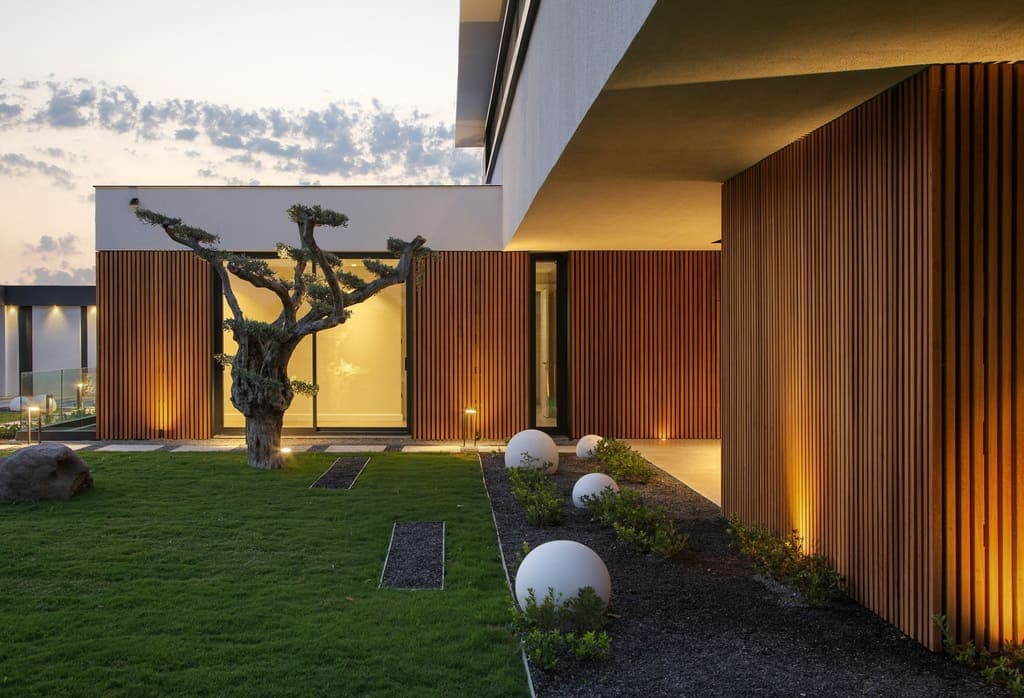
Understanding Thermally Modified Wood for Wall Applications
Thermally modified wood undergoes a high-temperature treatment process that alters its cellular structure. This process aims to enhance the wood's stability and resistance to moisture absorption, making it a suitable material for various exterior applications, including covered walls.
For covered patio walls, the benefits of thermally modified wood include a reduced tendency to swell and shrink with changes in humidity, which can help maintain the integrity of the wall assembly over time. Its natural wood appearance also allows for a range of design possibilities, from rustic to contemporary.
It's important to note that while thermally modified wood offers improved performance, it is still a natural wood product. Its appearance may change over time, especially if exposed to UV radiation, leading to a silver-gray patina if left unfinished. This natural aging process is often desired for certain aesthetics but can be managed with appropriate finishes.
Selecting the Right Profile and Species for Covered Patio Walls
Thermally modified wood is available in various profiles, each offering a different visual effect. Common profiles include tongue-and-groove, shiplap, and square-edge boards. For covered patio walls, the choice of profile can define the overall character of the space.
Tongue-and-groove profiles create a tight, seamless appearance, often preferred for a more refined look. Shiplap offers a distinct shadow line between boards, adding depth and texture. Square-edge boards, when installed with a gap, can create a slatted or open-joint aesthetic, which might be suitable for certain modern designs or to allow for air circulation.
The species of wood used for thermal modification also influences the material's characteristics. Different species will have varying grain patterns, natural colors, and densities. For example, thermally modified ash tends to have a rich, dark tone and a pronounced grain, while thermally modified pine might offer a lighter, more uniform appearance. Consider the desired aesthetic and coordinate with other materials in your patio design. Explore options at our <a href="/thermally-modified-wood">thermally modified wood</a> product page.
Design Considerations for St. Petersburg, FL Covered Patios
St. Petersburg's climate, characterized by high humidity and occasional heavy rainfall, requires careful planning for any outdoor construction. While covered patio walls are protected from direct weather, ambient humidity can still affect wood products. Thermally modified wood's enhanced stability helps mitigate some of these challenges.
Ventilation is a key consideration. Even in a covered space, ensuring adequate airflow behind the wall cladding can help prevent moisture buildup and promote drying. This might involve designing a small air gap or using a rainscreen-type assembly, even if the primary purpose isn't direct rain protection. Consult specific product documentation for recommended installation methods.
Consider the orientation of your patio and how much indirect sunlight the walls will receive. While covered, some UV exposure is possible. This will influence the rate of natural weathering and the longevity of any applied finish. For additional exterior wood options, you can also review our <a href="/siding-and-cladding">siding and cladding</a> selection.
Finishing and Maintenance for Longevity
While thermally modified wood can be left unfinished to develop a silver-gray patina, applying a finish can help preserve its original color and offer additional protection. Finishes can range from transparent oils that enhance the natural wood tones to semi-transparent stains that add color while allowing the grain to show through.
For covered patio walls, the choice of finish should balance aesthetic preference with practical maintenance. A quality finish can help repel water and reduce the impact of indirect UV exposure, extending the period before significant color change occurs. Always follow the finish manufacturer's instructions for application and reapplication intervals.
Regular cleaning of the wall surfaces to remove dirt, dust, and any organic growth is recommended to maintain appearance. Gentle washing with a mild soap and water solution is typically sufficient. Avoid harsh chemicals or high-pressure washing, which can damage the wood or finish.
Project Example: Covered Patio Accent Wall
Consider a hypothetical covered patio in St. Petersburg, FL, measuring 12 feet wide by 10 feet deep, with one long wall (12 feet) designated for a thermally modified wood accent. The desired aesthetic is a clean, modern look using a tongue-and-groove profile.
For this example, we select thermally modified ash boards, 5 inches wide (nominal, actual coverage might be slightly less due to the tongue-and-groove joint) and available in 12-foot lengths. The wall height is 8 feet.
To calculate the required material:
1. **Wall Area:** 12 feet (width) x 8 feet (height) = 96 square feet.
2. **Board Coverage:** A 5-inch wide board (0.4167 feet) x 12 feet (length) = 5 square feet per board.
3. **Number of Boards:** 96 square feet / 5 square feet per board = 19.2 boards. Since boards are sold in full lengths, we'd round up to 20 boards to ensure full coverage and account for any minor cuts or waste. It's often advisable to add a waste factor (e.g., 5-10%) for cuts and potential imperfections, bringing the total to approximately 21-22 boards.
This project would also require appropriate fasteners suitable for exterior use and the specific sub-structure (e.g., treated wood furring strips). For a modern look, concealed fasteners are often preferred with tongue-and-groove profiles. Always confirm actual board coverage dimensions and waste factors with your supplier.
Before you order
- Determine the exact dimensions of your covered patio wall area.
- Select the desired thermally modified wood species and profile (tongue-and-groove, shiplap, square-edge).
- Decide on a finish: unfinished (for natural patina) or finished (oil, stain) for color retention and protection.
- Plan for ventilation behind the wall cladding, especially in humid climates.
- Choose appropriate fasteners compatible with thermally modified wood and your substructure.
- Consider the overall design aesthetic and how the wood will complement other patio elements.
- Factor in a waste percentage (typically 5-10%) for cuts and potential material loss.
- Confirm local building codes or recommendations for exterior wall cladding.
- Review installation guidelines for your chosen thermally modified wood product.
- Plan for long-term maintenance, including cleaning and reapplication of finish if desired.
Confirm installation details, approved uses and warranty terms in the current instructions for the exact product and profile. Your installer should verify the substrate, structure and applicable project requirements.
This is a planning guide for projects in St. Petersburg, FL. Ask our team to confirm availability, delivery to your ZIP code and which branch can support your order.
Questions to help you decide
Can thermally modified wood be used in fully exposed areas in St. Petersburg, FL?
While thermally modified wood offers enhanced stability and moisture resistance, its suitability for fully exposed areas depends on the specific product and manufacturer's recommendations. For applications like open siding, a rainscreen assembly is often recommended to manage moisture. For covered patio walls, the protection from direct sun and rain reduces the exposure challenge, but ventilation remains important. Always consult product specifications for exterior use.
How does the St. Petersburg climate affect thermally modified wood?
St. Petersburg's high humidity and warm temperatures can still influence thermally modified wood, primarily in terms of moisture equilibrium and potential for biological growth if not properly ventilated or maintained. While the modification process improves stability against swelling and shrinking, consistent moisture exposure can still affect appearance and require regular cleaning. UV exposure, even indirect, will contribute to the wood developing a silver-gray patina over time if left unfinished.
What is the best way to clean thermally modified wood on a covered patio wall?
For routine cleaning of thermally modified wood on a covered patio wall, a soft brush or cloth with a mild soap and water solution is generally sufficient. Rinse thoroughly with clean water. Avoid abrasive cleaners, stiff brushes, or high-pressure washers, as these can damage the wood surface or any applied finish. Regular cleaning helps prevent the buildup of dirt, pollen, and mildew.
Ready to Plan Your Thermally Modified Wood Patio Wall?
Request a material quote with your project dimensions, exact profile preferences, and ZIP code. We can help confirm current availability and service options for your St. Petersburg, FL project.
Request a material quote →