Understanding Garapa Decking Characteristics
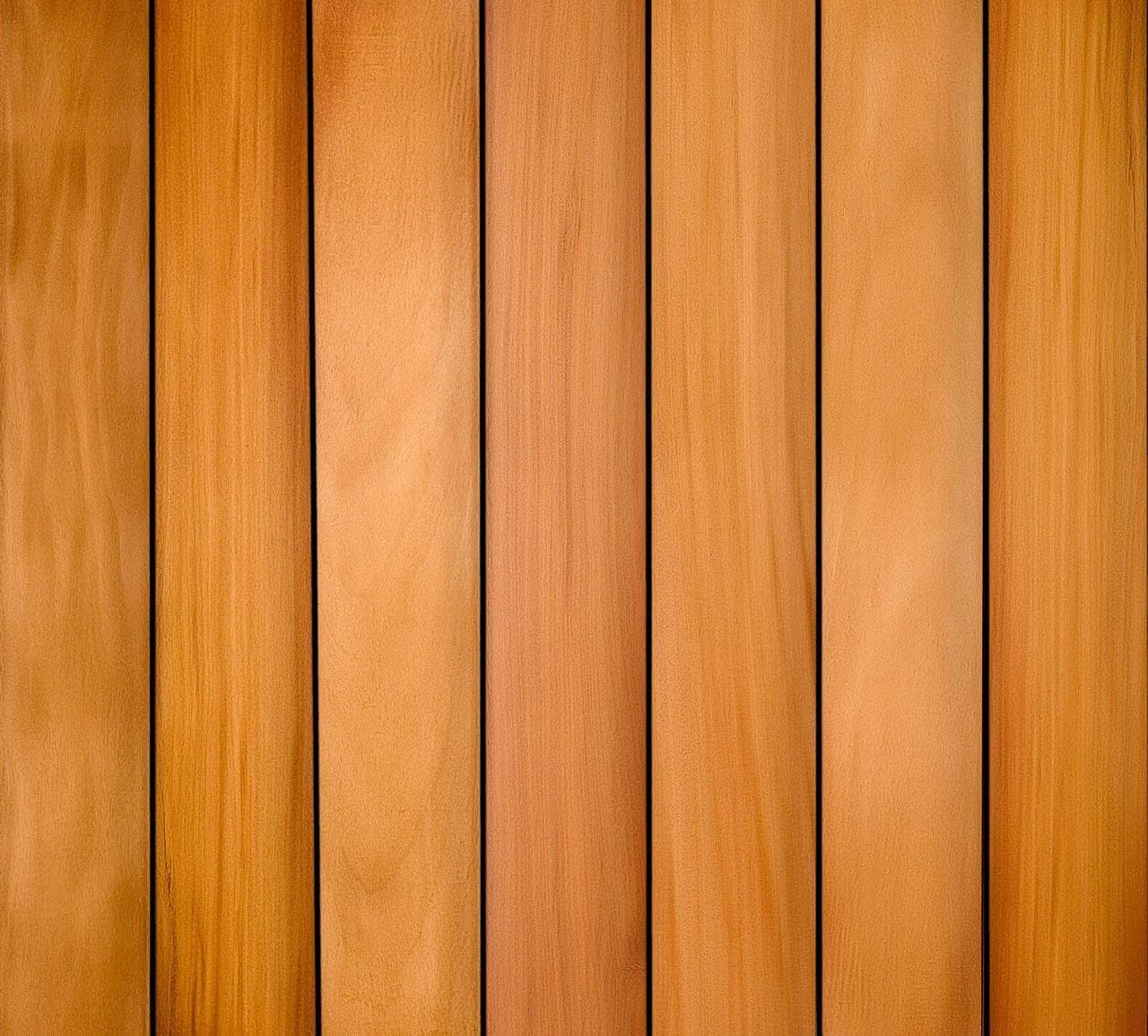
Garapa hardwood is recognized for its appealing golden color, which can bring a warm and modern aesthetic to any outdoor space. This natural hue is often a primary draw for homeowners seeking an alternative to darker hardwoods or composite materials. The wood’s natural resistance to rot, decay, and insects means it does not require constant chemical treatments or maintenance to withstand mold and decay, a significant advantage for outdoor applications.
Garapa is classified as a very durable hardwood with an air dry density of 4.11 lbs/bf. Its inherent properties include resistance to termites and weather changes. While dense, it is generally considered easy to work with by skilled professionals. It is also noted for being scratch and slip resistant, with minimal splintering, which are important considerations for a high-traffic terrace surface.
The availability of Garapa decking typically includes a 5/4"x6" (1" x 5.5") profile, often with a grooved option, and lengths ranging from 3 to 24 feet, kiln-dried (KD). These standard dimensions offer flexibility for various terrace designs, from straightforward layouts to more intricate patterns. Understanding these characteristics helps in making informed design and material choices for your St. Petersburg terrace project.
Garapa’s fire resistance is another notable feature, described as comparable to steel, which can be an important factor in some building considerations.
Designing Your St. Petersburg Terrace with Garapa
When designing a terrace in St. Petersburg, the golden tone of Garapa decking provides a versatile foundation. Consider how the decking will complement existing architectural elements and landscaping. The specific layout of your terrace will influence board selection and installation patterns. For example, a wider terrace might benefit from longer board lengths to minimize seams, while a smaller, more intimate space could utilize shorter boards for a more detailed look.
Terraces often serve multiple functions, from dining areas to lounge spaces. Plan for these zones in your design, ensuring adequate space and flow. The golden color of Garapa can help define these areas while maintaining a cohesive look. For example, a picture-frame border using Garapa boards can visually separate a dining area from a lounge section, adding a refined edge to the design. This also helps to contain the main field of boards.
Consider the orientation of your terrace relative to sun exposure. While Garapa is resistant to weather changes, all wood will weather over time. The golden color may gradually mellow to a silvery-gray patina if left untreated. If maintaining the original golden hue is a priority, a UV-inhibiting finish will be necessary and will require periodic reapplication. This is a critical design choice that impacts long-term appearance and maintenance.
Ventilation is another key design consideration for any decking, especially in a humid climate like St. Petersburg. Adequate airflow beneath the terrace helps prevent moisture buildup and promotes the longevity of the decking material. Ensure your terrace design allows for proper air circulation, particularly if it's close to the ground or enclosed on multiple sides.
Board Profiles and Layout Options
Garapa decking is commonly available in a 5/4"x6" profile, which translates to an actual dimension of 1" x 5.5". This standard size is suitable for most residential and light commercial terrace applications. The grooved option for this profile is designed for use with hidden fastening systems, which provide a clean, fastener-free surface. Alternatively, boards can be face-fastened, a method that is typically more visible but can offer a secure connection.
When planning your layout, consider the direction of the boards. Running boards parallel to the longest dimension of the terrace can make the space appear larger. Diagonal layouts can add visual interest but typically require more cuts and can result in more material waste. For a terraced area that transitions into a pathway or garden, aligning the decking with the flow of foot traffic can create a natural progression.
For a seamless appearance, consider specifying longer board lengths where possible to minimize end joints. Garapa is available in lengths from 3 to 24 feet. However, always verify current availability of specific lengths before finalizing your design. For terraces with irregular shapes or multiple angles, shorter lengths may be more practical to work with, allowing for efficient cutting and reduced waste.
The choice between hidden fasteners and face fastening impacts both the aesthetic and the installation process. Hidden fasteners create a smooth, uninterrupted surface, which can enhance the modern appeal of Garapa. Face fastening, on the other hand, involves screwing through the face of the board into the joists, which may be preferred for certain structural requirements or aesthetic preferences.
Worked Example: A 12x18 Foot Terrace Layout
Let's consider a hypothetical terrace project in St. Petersburg, FL, measuring 12 feet by 18 feet. The homeowner wants to use Garapa decking in a standard 5/4"x6" profile (1" x 5.5" actual) with a straightforward parallel layout.
For an 18-foot length, using 18-foot boards would minimize end joints. The width of each board is 5.5 inches. To cover the 12-foot width of the terrace, we need to calculate the number of boards. 12 feet = 144 inches. Dividing 144 inches by 5.5 inches per board gives approximately 26.18 boards.
For the 144-inch width, this would require 144 inches / 5.75 inches per board = approximately 25.04 boards. Again, rounding up, this means 26 full boards of 18-foot length would be needed for the main field.
Total linear footage for the main field would be 26 boards * 18 feet/board = 468 linear feet. If a picture-frame border is desired, additional linear footage for the border boards would need to be calculated separately. For example, a single border around the 12x18 foot terrace (excluding the house side if applicable) would add (12 + 18 + 12 + 18) = 60 linear feet, assuming no miter cuts and a simple perimeter. This example provides a basic material estimate; actual measurements and a detailed cut plan are essential for precise ordering.
This calculation does not account for waste from cuts, especially for end-matching or if shorter lengths are used and require more cuts. Always add a percentage for waste, typically 5-10%, depending on the complexity of the layout and the lengths available.
Maintenance and Longevity in a Coastal Climate
St. Petersburg's coastal climate, with its humidity and strong sun exposure, makes material durability a key concern. Garapa's natural resistance to rot, decay, and insects is well-suited for such conditions, reducing the need for constant chemical treatments. However, like all natural wood, Garapa will undergo a weathering process.
If left unfinished, Garapa's golden color will gradually transform into a silvery-gray patina over time due to UV exposure and moisture. Many homeowners appreciate this natural aging process, which gives the wood a distinguished look. If you prefer to maintain the original golden hue, periodic application of a UV-inhibiting oil or sealer is recommended. The frequency of reapplication will depend on the product used and the intensity of sun exposure.
Regular cleaning is essential to prevent the buildup of dirt, mildew, and grime, especially in a humid environment. A simple wash with mild soap and water, followed by a rinse, can help keep the terrace looking its best. Ensure that any cleaning products used are compatible with Garapa and will not strip any applied finishes.
Proper ventilation underneath the terrace is crucial in St. Petersburg's climate to prevent moisture accumulation, which can contribute to mold and mildew growth. Ensure that the terrace design allows for adequate airflow to promote drying after rain and reduce humidity levels around the wood.
Before you order
- Confirm desired final appearance: golden hue (requires finish) or natural silver-gray patina (no finish).
- Determine terrace dimensions and desired board layout (parallel, diagonal, picture frame).
- Identify preferred fastening method: hidden fasteners (grooved boards) or face fastening.
- Verify local building codes and ventilation requirements for elevated structures.
- Consider complementary materials for railings, stairs, and planters that match Garapa's golden tone.
- Plan for access and storage of materials during delivery and installation.
- Estimate linear footage needed, adding a waste factor for cuts and unforeseen issues.
Confirm installation details, approved uses and warranty terms in the current instructions for the exact product and profile. Your installer should verify the substrate, structure and applicable project requirements.
This is a planning guide for projects in St. Petersburg, FL. Ask our team to confirm availability, delivery to your ZIP code and which branch can support your order.
Questions to help you decide
How does Garapa decking perform in St. Petersburg's humid climate?
Garapa is a very durable hardwood with natural resistance to rot, decay, and insects, making it well-suited for humid and coastal environments. It does not require constant chemical treatments to withstand mold and decay. However, ensuring proper ventilation beneath the deck and regular cleaning will further enhance its longevity and appearance.
Will Garapa decking maintain its golden color in the Florida sun?
If left unfinished, Garapa decking will naturally weather to a silvery-gray patina over time due to UV exposure. To preserve its original golden color, a UV-inhibiting oil or sealer must be applied periodically. The frequency of reapplication depends on the specific product used and the intensity of sun exposure.
What board sizes and lengths are available for Garapa decking?
Board lengths typically range from 3 to 24 feet. It is always recommended to confirm current availability of specific profiles and lengths when planning your project.
Request a Material Quote for Your Garapa Terrace Project
Ready to design your terrace with Garapa decking? Provide your project dimensions, desired Garapa profile, and ZIP code to request a material quote. Our team can help confirm current availability and service options for your St. Petersburg, FL project. Get started on creating your durable and beautiful outdoor space.
Request a material quote →