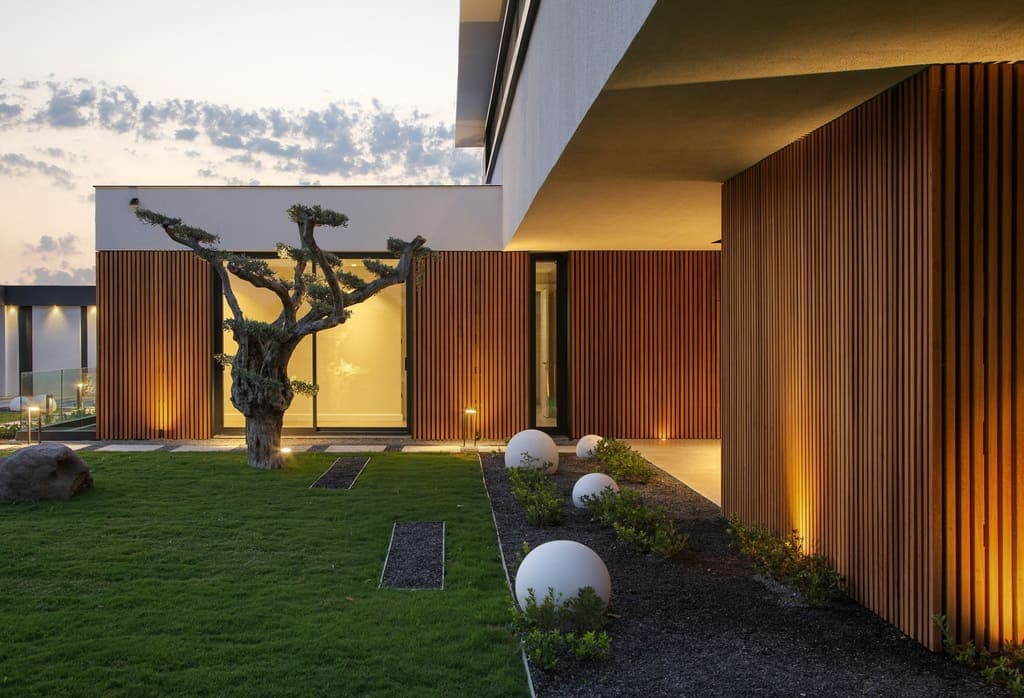
Understanding Thermally Modified Wood for Protected Outdoor Use
Thermally modified wood undergoes a high-heat treatment process that alters its cellular structure. This process enhances several key properties, including improved dimensional stability and increased resistance to decay and insect activity. For covered patio walls, these attributes are particularly beneficial.
While not subjected to the same direct weather exposure as exterior siding, covered patios in Nantucket still experience fluctuations in humidity and temperature, as well as salt air. The enhanced stability of thermally modified wood helps minimize warping, cupping, and twisting, contributing to a more consistent and long-lasting wall surface. Its natural resistance to decay also means it can better handle the ambient moisture found in a coastal outdoor setting.
Common species used for thermal modification include Ash, Poplar, and Pine, each offering different grain patterns and natural coloration that can be enhanced with various finishes.
Selecting the Right Profile and Appearance
The aesthetic of your covered patio walls is largely defined by the chosen wood profile. Thermally modified wood is available in various profiles, allowing for diverse design expressions.
Tongue and groove profiles, such as those from the NORX collection, are popular for their clean lines and straightforward installation. These profiles create a continuous surface with minimal visible fasteners, offering a sophisticated look. For a more textured or linear appearance, shiplap or board-and-batten styles can be considered, though specific thermally modified wood profiles may vary.
The natural color of thermally modified wood, often a rich, warm brown, can be maintained with a clear finish or allowed to gradually weather to a silver-gray patina if left unfinished. For Nantucket's coastal aesthetic, a natural, weathered look can blend seamlessly with the surroundings. Alternatively, a stained finish can introduce specific color tones to complement your patio furniture or home's exterior palette. Consider the visual impact of shadow lines created by different profiles, which can add depth and interest to the wall.
Finishing and Maintenance for Covered Patio Walls
While covered patio walls offer protection, applying a suitable finish is still important for maintaining the wood's appearance and extending its life. The choice of finish depends on your desired aesthetic and the level of maintenance you are willing to undertake.
If you prefer to preserve the initial warm brown tones of the thermally modified wood, a UV-inhibiting oil-based finish is recommended. These finishes help protect against the gradual lightening that can occur even in covered areas due to indirect sunlight. Reapplication will be necessary periodically, typically every 1-3 years depending on the specific product and exposure.
For a low-maintenance approach, allowing the wood to naturally weather to a soft silver-gray patina is an option. This process will happen more slowly in a covered environment compared to fully exposed applications. If opting for natural weathering, ensure the wood remains clean and free of mildew, which can be more prevalent in humid, sheltered spaces. Occasional cleaning with a mild, pH-neutral cleaner can help maintain its appearance.
Avoid film-forming finishes like varnishes or lacquers on outdoor wood, as they can peel and crack over time, requiring extensive sanding for reapplication. Penetrating oil finishes are generally more forgiving and easier to maintain.
Attachment Methods and Substructure Considerations
Proper attachment is crucial for the long-term performance of thermally modified wood on covered patio walls. The substructure needs to be sound, plumb, and level to ensure a consistent and secure installation.
For most profiles, direct fastening into studs or furring strips is common. Stainless steel fasteners are highly recommended, especially in coastal environments like Nantucket, to prevent corrosion and unsightly staining on the wood. Face fastening with screws can be used for a visible, deliberate aesthetic, while hidden fastening systems, often integrated with tongue and groove profiles, offer a cleaner look.
Ensure adequate ventilation behind the wall cladding, even in covered areas, to prevent moisture buildup. This can be achieved through a rainscreen-style assembly, where furring strips create an air gap between the wood and the sheathing. This air circulation is beneficial for drying out any incidental moisture and helps maintain the wood's stability. Consult manufacturer guidelines for specific fastener types, spacing, and installation instructions for your chosen profile.
Hypothetical Project Example: Nantucket Covered Patio Wall
Consider a covered patio in Nantucket, MA, measuring 12 feet wide by 8 feet tall. The homeowner desires a modern, clean aesthetic using thermally modified Ash with a tongue and groove profile, aiming for a consistent, warm brown tone with minimal visible fasteners.
For this project, we might select a NORX Thermally Modified Ash in a 1x6 (nominal 5.5-inch face width) tongue and groove profile. The wall area is 12 feet * 8 feet = 96 square feet. To calculate the lineal footage needed, we divide the total height by the face width of the board: 8 feet / (5.5 inches / 12 inches/foot) = 8 / 0.4583 = approximately 17.45 boards high. Since boards are typically sold in even lengths, and to account for cuts and waste, we'd plan for full 12-foot lengths.
Number of boards needed: 17.45 boards high * 12 feet long = 209.4 lineal feet. Adding 10-15% for waste and cuts, especially for end matching or specific pattern layouts, would bring the total to approximately 230-240 lineal feet. For hidden fastening, clips or specific screw systems designed for tongue and groove profiles would be used, along with stainless steel trim head screws for starter and end boards. A UV-inhibiting oil finish would be applied after installation to maintain the desired color, with a plan for reapplication every two years.
This example assumes a simple rectangular wall. Any openings like windows or doors would require careful measurement and adjustment of material quantities, and corner details would influence the lineal footage needed for trim or mitered edges.
Complementary Materials and Design Harmony
Thermally modified wood on covered patio walls can be effectively paired with other materials to create a cohesive and inviting outdoor space. Consider coordinating with decking materials, such as Ipe decking, for a contrasting yet harmonious look.
For soffits or ceiling applications within the same covered patio, thermally modified wood can extend the aesthetic, creating a unified overhead element. The natural tones of the wood also complement stone or stucco elements often found in Nantucket architecture, adding warmth and texture. Think about the overall material palette of your home and outdoor living areas to ensure a seamless integration.
Other complementary products could include siding and cladding materials for other parts of the home's exterior, ensuring a consistent design language. Explore options like Maximo Accoya for additional exterior elements requiring high durability and stability.
Before you order
- Confirm local building codes and any specific Nantucket, MA requirements for exterior wall cladding, even in covered areas.
- Verify the specific thermally modified wood species and profile are suitable for vertical wall application.
- Determine the desired aesthetic: natural weathered, clear finished, or stained.
- Select appropriate stainless steel fasteners or hidden fastening systems for coastal conditions.
- Plan for a robust and plumb substructure with adequate ventilation behind the cladding.
- Calculate the required lineal footage, including a waste factor for cuts and potential end-matching.
- Research and select a compatible, high-quality finish, if desired, and plan for future maintenance.
- Consider how the thermally modified wood will integrate with other materials in your outdoor space.
Confirm installation details, approved uses and warranty terms in the current instructions for the exact product and profile. Your installer should verify the substrate, structure and applicable project requirements.
This is a planning guide for projects in Nantucket, MA. Ask our team to confirm availability, delivery to your ZIP code and which branch can support your order.
Questions to help you decide
Can thermally modified wood be left unfinished on covered patio walls?
Yes, thermally modified wood can be left unfinished. In a covered patio setting, it will gradually weather to a silver-gray patina over time, though this process will be slower than in fully exposed applications. If left unfinished, regular cleaning is recommended to prevent mildew growth, which can occur in humid, sheltered environments.
Is thermally modified wood suitable for coastal humidity and salt air?
Yes, thermally modified wood's enhanced dimensional stability and resistance to decay make it a suitable choice for coastal environments like Nantucket, MA. While covered, patio walls are still exposed to ambient humidity and salt air, and the properties of thermally modified wood help it perform well in these conditions.
What kind of fasteners should I use for thermally modified wood on covered patio walls?
For any outdoor application, especially in coastal areas, stainless steel fasteners are strongly recommended. They resist corrosion, which prevents unsightly black staining on the wood and ensures a long-lasting, secure installation. The specific type (screws, clips) will depend on your chosen wood profile and attachment method.
Ready to Transform Your Nantucket Covered Patio?
Request a material quote today with your project dimensions, desired profile, and ZIP code. We can help you confirm current availability and service options for your thermally modified wood project.
Request a material quote →