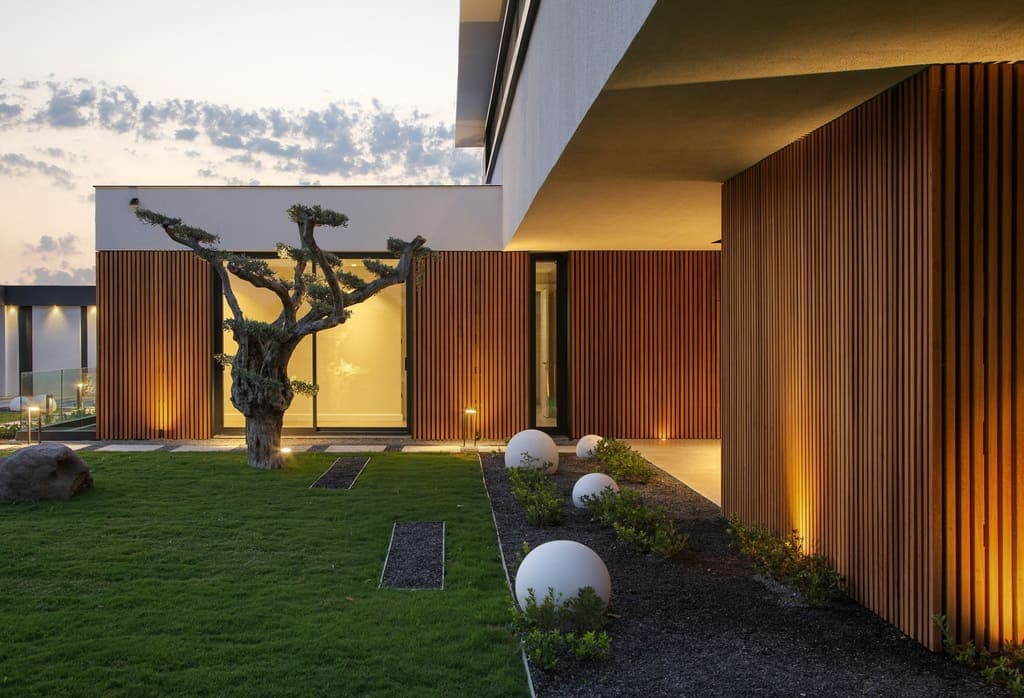
Understanding Thermally Modified Wood
Thermally modified wood undergoes a high-temperature heat treatment process in the absence of oxygen. This modification alters the wood's cellular structure, resulting in a material with reduced moisture absorption, improved dimensional stability, and increased resistance to decay. These properties make it a suitable choice for exterior applications, even in covered areas where some humidity exposure is expected.
The thermal modification process also imparts a consistent, rich brown tone throughout the wood, which can range from a light caramel to a deep chocolate, depending on the wood species and treatment intensity. This consistent color is present throughout the board, not just on the surface, which can be advantageous for maintaining appearance over time, especially if the wood is left unfinished to weather naturally.
Why Choose Thermally Modified Wood for Covered Patio Walls?
For covered patio walls, thermally modified wood offers several distinct advantages. Its enhanced dimensional stability means less expansion and contraction with changes in humidity, which can help maintain a consistent appearance and reduce the likelihood of warping or cupping over time. This is particularly beneficial in a climate like Lansing, MI, where seasonal temperature and humidity shifts can be significant.
The improved resistance to decay is another key benefit, even for covered applications. While not directly exposed to rain, covered patio walls can still be subject to ambient moisture and condensation. The modified wood's reduced susceptibility to fungal growth contributes to its longevity in these conditions.
Aesthetically, thermally modified wood provides the authentic look and feel of natural wood. Its consistent color and grain patterns can create a sophisticated and inviting atmosphere for any covered patio. It pairs well with various architectural styles, from rustic to modern.
Selecting the Right Profile and Species for Your Project
Thermally modified wood is available in various profiles, each offering a different visual effect and installation method. Common profiles suitable for covered patio walls include tongue-and-groove, shiplap, and square-edge boards. Tongue-and-groove profiles create a tight, interlocking joint, often used for a smooth, continuous surface. Shiplap offers a distinctive shadow line, providing visual depth. Square-edge boards can be installed with a visible gap for a more open, contemporary look.
Popular species for thermal modification include Ash, Poplar, and Pine. Thermally modified Ash, such as the NORX brand's offerings, is known for its durability and attractive grain. Thermally modified Poplar provides a more uniform appearance with fewer knots, while thermally modified Pine is often a cost-effective option. The choice of species can influence the final color, grain pattern, and overall character of your patio walls.
Consider the desired aesthetic and the specific conditions of your covered patio in Lansing, MI. For example, a wider shiplap profile can create a more rustic feel, while narrower tongue-and-groove boards might suit a more contemporary design. Always verify that the chosen profile and species are approved for vertical wall applications.
Finishing and Maintenance Considerations
Thermally modified wood can be left unfinished to weather naturally to a silvery-gray patina, or it can be finished with stains, oils, or sealers to maintain its original color or achieve a different hue. For covered patio walls, the decision to finish or not depends on your aesthetic preference and willingness for periodic maintenance.
If you choose to apply a finish, select a product designed for exterior wood, ideally one that offers UV protection, even in a covered setting. Regular cleaning and reapplication of the finish according to the manufacturer's recommendations will help preserve the desired appearance. Unfinished thermally modified wood will still benefit from occasional cleaning to remove dirt and mildew. Always consult the finish manufacturer's instructions for application and maintenance specific to their products.
Regardless of whether you finish the wood, ensure good air circulation around and behind the covered patio walls to help manage moisture and prevent the buildup of dampness, which can encourage mildew or other issues over time. This is particularly important in areas with fluctuating humidity.
Installation and Attachment Methods
Proper installation is crucial for the performance and appearance of thermally modified wood patio walls. For covered applications, a ventilated rainscreen assembly is often recommended, even if the wood is not directly exposed to rain. This system creates an air gap between the wood cladding and the structural wall, promoting drainage and airflow, which helps manage moisture and extend the life of the material.
Common attachment methods include face fastening with screws or nails, or using hidden fastening systems for a cleaner look. When face fastening, use corrosion-resistant fasteners appropriate for exterior use. Predrilling pilot holes can help prevent splitting, especially with denser wood species. For hidden fasteners, ensure the system is compatible with your chosen profile and provides adequate holding power.
Always follow the manufacturer's specific installation guidelines for the thermally modified wood product you select. Pay attention to recommended spacing between boards to allow for minor movement and proper ventilation. Ensure the substructure is sound, plumb, and level to provide a stable base for the cladding.
For a hypothetical covered patio wall measuring 10 feet wide by 8 feet high, using 6-inch wide (nominal) shiplap thermally modified Ash boards, you would need to calculate the area: 10 ft * 8 ft = 80 square feet. If each board provides 5.5 inches of exposed face (after accounting for the shiplap overlap) and comes in 10-foot lengths, one board covers (5.5/12 ft) * 10 ft = approximately 4.58 square feet. To cover 80 square feet, you would need 80 / 4.58 17.47 boards. Rounding up and adding a waste factor (e.g., 10-15% for cuts and errors) would suggest purchasing around 20-22 boards. Always confirm actual board dimensions and exposed face width with the supplier before ordering.
Before you order
- Confirm the specific thermally modified wood species and profile are approved for vertical wall cladding in a covered outdoor setting.
- Determine if you prefer a finished or unfinished look, and research suitable exterior finishes if applicable.
- Verify the attachment method (face fasten or hidden) is compatible with your chosen profile and substructure.
- Plan for ventilation behind the wall cladding, even in covered areas, to manage moisture.
- Calculate the required material quantity, including a waste factor for cuts and adjustments.
- Consider the overall design aesthetic and how the wood will complement other patio elements.
- Review local building practices or recommendations for exterior cladding in Lansing, MI.
Confirm installation details, approved uses and warranty terms in the current instructions for the exact product and profile. Your installer should verify the substrate, structure and applicable project requirements.
This is a planning guide for projects in Lansing, MI. Ask our team to confirm availability, delivery to your ZIP code and which branch can support your order.
Questions to help you decide
Can thermally modified wood be used in fully exposed outdoor conditions?
Yes, thermally modified wood is generally suitable for fully exposed outdoor conditions, such as open deck surfaces or un-covered siding. Its enhanced dimensional stability and resistance to decay make it a robust choice. However, for covered patio walls, the protection from direct elements can help preserve its appearance and reduce maintenance needs over time.
Does thermally modified wood require special fasteners?
While thermally modified wood does not typically require unique fasteners, it is essential to use corrosion-resistant fasteners, such as stainless steel or coated screws/nails, especially for exterior applications. This prevents staining of the wood and ensures the longevity of the fastening system. Always check the manufacturer's recommendations for specific fastener types and sizes.
How does the color of thermally modified wood change over time?
If left unfinished, thermally modified wood will naturally weather to a silvery-gray patina when exposed to UV light. The rate of this change can vary depending on the level of sun exposure. If a consistent color is desired, the wood should be finished with a UV-inhibiting stain or oil and periodically re-coated according to the finish manufacturer's instructions.
Ready to Transform Your Lansing, MI Covered Patio Walls?
Request a material quote today with your project dimensions, desired profile, and ZIP code. Confirm current availability and service options for thermally modified wood to begin your project.
Request a material quote →