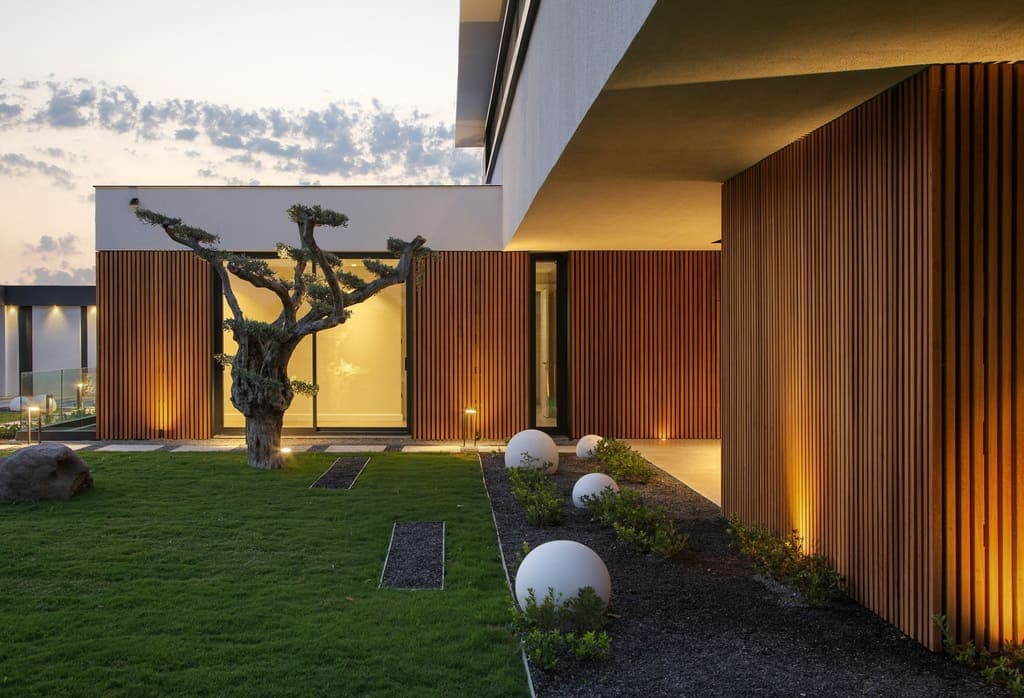
Understanding Thermally Modified Wood for Wall Applications
Thermally modified wood undergoes a high-temperature treatment process that alters its cellular structure. This modification typically results in increased dimensional stability and reduced moisture absorption compared to untreated wood. These characteristics are particularly beneficial for outdoor applications like covered patio walls, where fluctuations in temperature and humidity can still occur, even under cover.
For wall applications, the wood is typically offered in various profiles, including tongue-and-groove, shiplap, and square-edge boards. Each profile creates a different visual effect and dictates specific installation requirements regarding fasteners and sub-framing. It is important to confirm that the chosen thermally modified wood product is approved for vertical wall use and to consider its appearance over time, especially if left unfinished.
Selecting the Right Profile and Species
The profile of your thermally modified wood planks will define the texture and shadow lines of your covered patio walls. Common profiles include:
Tongue-and-Groove (T&G): This profile creates a tight, interlocking fit, often preferred for a smooth, continuous appearance. It can help prevent moisture penetration behind the boards in areas subject to occasional splash.
Shiplap: Shiplap offers a distinct overlap that creates a pronounced shadow line, adding depth and character. The overlap also provides a degree of weather protection.
Square-Edge: For a more rustic or open-joint aesthetic, square-edge boards can be installed with a consistent gap between them. This approach requires careful planning of the substructure and potentially a weather barrier behind the cladding if the patio is exposed to wind-driven rain.
Common species used for thermal modification include spruce, pine, and ash. Each species will have a unique grain pattern and natural color, which can be further enhanced or altered by finishes. For example, NORX thermally modified spruce offers a consistent, light brown tone, while NORX thermally modified pine has a slightly more pronounced grain. Maximo Accoya is another option, known for its enhanced durability and stability, suitable for a range of outdoor applications including walls.
Finishing and Maintenance for Covered Patio Walls
While thermally modified wood is inherently more stable, applying a finish can offer additional benefits. For covered patio walls, finishes serve primarily aesthetic purposes and can offer some protection against UV degradation, even in a sheltered environment.
Clear or semi-transparent stains can enhance the natural color of the wood while allowing the grain to show through. Solid stains or paints can provide a uniform color, offering a more contemporary look. If left unfinished, thermally modified wood will gradually weather to a silver-gray patina. This natural aging process is often desired for certain aesthetics, but it is important to understand that the color change will occur. Regular cleaning to remove dust, pollen, and mildew is generally recommended, regardless of whether the wood is finished or unfinished.
Installation Considerations and Substructure
Proper installation is crucial for the longevity and appearance of thermally modified wood walls. The substructure, typically consisting of furring strips or studs, must be sound, level, and plumb. For covered patio walls, a rainscreen gap behind the cladding is often recommended, even with partial protection. This gap allows for air circulation and drainage, preventing moisture buildup behind the wood.
Fasteners should be corrosion-resistant stainless steel to prevent staining and ensure long-term holding power. Hidden fastening systems are often preferred for a cleaner aesthetic, particularly with tongue-and-groove or shiplap profiles. When planning your layout, consider how boards will terminate at corners, openings, and the base of the wall. Proper detailing at these points ensures a finished look and helps manage any potential moisture.
Project Example: Covered Patio Wall in Concord, NH
Consider a covered patio in Concord, NH, measuring 12 feet wide by 8 feet deep, with a single wall along the 12-foot length to be clad with thermally modified wood. The wall height is 8 feet. The homeowner desires a modern look with minimal visible fasteners and a consistent finish.
For this project, NORX thermally modified spruce in a shiplap profile, with a nominal board width of 5.5 inches (actual coverage 5 inches due to overlap), would be a suitable choice. The shiplap profile creates attractive shadow lines while allowing for concealed fastening. A semi-transparent stain in a warm gray tone could be applied to complement existing elements.
The wall area to be covered is 12 feet x 8 feet = 96 square feet. To calculate the number of boards needed, we divide the total width by the coverage width of a single board: 12 feet = 144 inches. 144 inches / 5 inches/board = 28.8 boards. Since boards are typically sold in full lengths, and assuming 8-foot lengths are available, we would need 29 boards to cover the width. It is always prudent to add 10-15% for cuts, waste, and future repairs. Thus, approximately 32-33 boards would be a more practical purchase quantity.
The installation would involve horizontal furring strips spaced appropriately to support the vertical shiplap boards, creating a rainscreen gap. Stainless steel trim head screws would be used for concealed fastening through the overlapping lip of each shiplap board. Attention to detail at the top and bottom edges, as well as corner transitions, would ensure a professional finish.
Before you order
- Confirm the thermally modified wood product is approved for vertical wall applications.
- Select a profile (T&G, shiplap, square-edge) that matches your aesthetic and installation preferences.
- Choose a species (e.g., spruce, pine, ash) considering its natural appearance and grain.
- Decide on a finish (stain, paint, or unfinished) based on desired look and maintenance expectations.
- Plan the substructure, including furring strips and a rainscreen gap, for optimal performance.
- Specify corrosion-resistant fasteners, preferably concealed, for a clean aesthetic.
- Calculate material quantities, including extra for waste and cuts.
- Consider detailing at corners, openings, and the base of the wall for a professional finish.
Confirm installation details, approved uses and warranty terms in the current instructions for the exact product and profile. Your installer should verify the substrate, structure and applicable project requirements.
This is a planning guide for projects in Concord, NH. Ask our team to confirm availability, delivery to your ZIP code and which branch can support your order.
Questions to help you decide
Can thermally modified wood be used on fully exposed exterior walls?
While thermally modified wood offers enhanced stability, its suitability for fully exposed exterior walls depends on the specific product, profile, and installation system. For fully exposed applications, a robust rainscreen assembly is often critical, and careful consideration of local weather conditions, such as driving rain and intense UV, is necessary. Always consult product specifications for approved exterior applications beyond covered areas.
How does the color of thermally modified wood change over time?
If left unfinished, thermally modified wood will naturally weather to a soft, silver-gray patina over time due to exposure to UV light and environmental elements. The rate of this change can vary depending on the level of exposure. Applying a UV-inhibiting stain or paint can help maintain the original color longer, though periodic reapplication will be necessary.
What kind of maintenance is required for thermally modified wood on covered patio walls?
Maintenance for thermally modified wood on covered patio walls is generally minimal. Regular cleaning with mild soap and water can help remove dirt, dust, and any mildew growth. If the wood is finished, periodic reapplication of the finish will be necessary to maintain its appearance and protective qualities, following the finish manufacturer's instructions. Unfinished wood requires less active maintenance beyond cleaning, but its appearance will change naturally over time.
Plan Your Thermally Modified Wood Project
Ready to enhance your covered patio walls with thermally modified wood? Request a material quote today. Provide your project dimensions, desired profile, and ZIP code to confirm current availability and service options. Visit our website to explore available profiles and species: /thermally-modified-wood
Request a material quote →