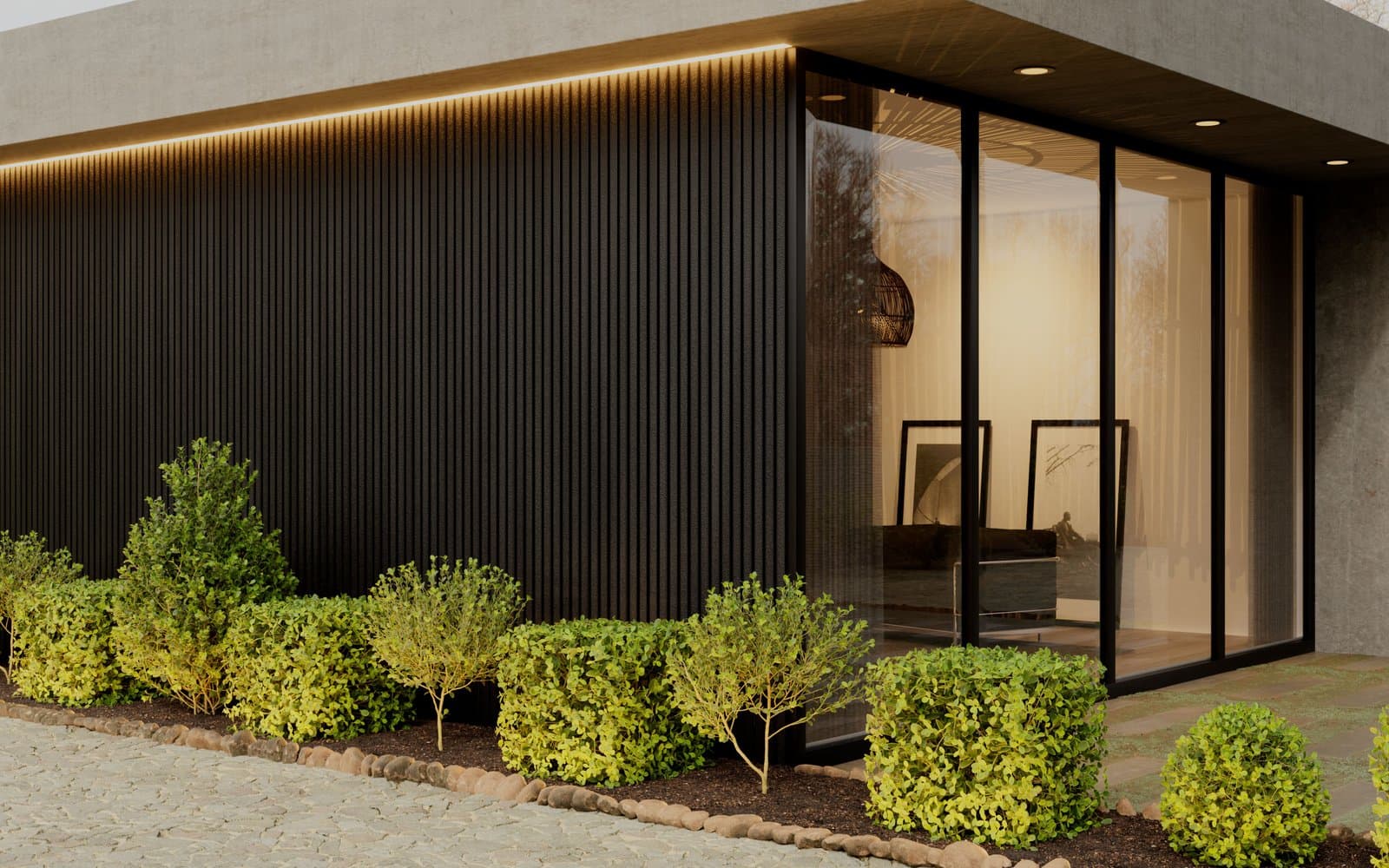
Understanding Your Existing Wall Structure
Before selecting new siding or cladding, a thorough assessment of the existing wall structure is essential. This includes identifying the type of sheathing, the condition of the moisture barrier, and the presence of any structural damage or rot. For many homes in Tallahassee, older construction might involve different framing techniques or sheathing materials than modern builds. Understanding these elements is crucial for determining how new cladding will attach and perform.
Consider the age of the building and any visible signs of wear, such as cracking, warping, or peeling on the current facade. These can indicate underlying issues that need to be addressed before installing new materials. A professional inspection can help uncover hidden problems, ensuring a stable and sound foundation for your renovation.
Climate Considerations for Tallahassee Facades
Tallahassee's climate presents specific challenges for exterior materials, characterized by high humidity, significant rainfall, and warm temperatures for much of the year. These conditions can accelerate the degradation of some materials, promote mold and mildew growth, and lead to movement in wood products if not properly selected and installed.
When choosing siding or cladding, prioritize materials known for their resistance to moisture and decay. Adequate ventilation behind the cladding is also critical, especially in humid environments, to prevent moisture accumulation and extend the lifespan of the facade. Rainscreen assemblies, which create an air gap between the cladding and the wall, are often a recommended approach for managing moisture in this climate.
Thermally Modified Wood: Stability and Aesthetics
Thermally modified wood offers an option for those seeking the natural beauty of wood with enhanced stability. The modification process involves heating wood to high temperatures, altering its cellular structure to reduce its ability to absorb moisture. This makes it less prone to expansion, contraction, and decay, which can be beneficial in Tallahassee's humid conditions.
Lumber Plus offers Scandinavian Thermally Modified Wood, including Ayous and Clear Radiata, which are known for their clean grain and contemporary appearance. These products can be a suitable choice for a facade renovation where a natural wood look is desired without the higher maintenance demands of some untreated wood species. They can be finished or allowed to weather naturally to a silver-gray patina. Explore options like our Scandinavian Thermally Modified Wood: https://lumberplus.com/thermally-modified-wood/scandinavian
Maximo Accoya, another modified wood product, is acetylated wood, which also enhances durability and dimensional stability through a different process. It is distinct from thermally modified wood but shares similar performance benefits against moisture and decay, making it a robust option for exterior applications. Learn more about Maximo Accoya: https://lumberplus.com/products/maximo-accoya
Brazilian Hardwoods: Durability and Rich Tones
For a facade renovation requiring exceptional durability and a distinctive aesthetic, Brazilian hardwoods such as Ipe, Cumaru, Garapa, Angelim, Jatoba, and Tigerwood are notable choices. These dense woods are naturally resistant to decay and insects, characteristics that are advantageous in a warm, humid climate like Tallahassee's.
Each species offers unique color variations and grain patterns, from the deep reds of Jatoba to the golden tones of Cumaru and Garapa. While they are highly durable, Brazilian hardwoods typically require periodic oiling to maintain their original color, or they will naturally weather to a silver-gray. Their density also means they require specific fastening techniques during installation. Explore our Brazilian hardwoods for siding and cladding: https://lumberplus.com/siding-and-cladding
Ipe, for instance, is known for its incredible hardness and strength, making it a 'brutal strength' option for facades. Cumaru is often highlighted for its 'golden tone' and 'contractor-friendly price', while Garapa is considered a 'structural workhorse for big walls'. Angelim offers 'Brazilian Cherry, Deep Red Facades', and Jatoba provides a 'dramatic figure for statement walls'. Tigerwood is also available for bold grain applications.
Composite Cladding: Low Maintenance and Consistent Appearance
Composite cladding, such as that offered by NORX, provides a low-maintenance alternative to natural wood. Manufactured from a blend of wood fibers and recycled plastics, composite materials are engineered for consistency in color and texture, and are resistant to rot, insects, and splintering. This can be a significant advantage for homeowners seeking a facade that requires minimal upkeep after installation.
NORX composite cladding is available in various profiles and colors, allowing for a modern aesthetic that mimics the look of wood without its inherent vulnerabilities to moisture and UV degradation. It can be a practical choice for renovations where long-term performance and reduced maintenance are primary considerations. Discover NORX composite cladding: https://lumberplus.com/brands/norx
Worked Example: Facade Renovation on a 1970s Ranch Home
Consider a hypothetical 1970s ranch home in Tallahassee with an existing facade of deteriorating horizontal cedar siding. The homeowner desires a more modern look with reduced maintenance and improved moisture management. The north-facing wall, measuring approximately 30 feet long by 8 feet high, shows signs of moisture staining and some localized rot at the bottom edge.
Upon inspection, the existing cedar is directly nailed to plywood sheathing, with a basic building felt as the moisture barrier. The renovation plan involves removing the old cedar, inspecting and repairing any damaged sheathing, and installing a new commercial-grade moisture-resistant barrier. To address the humidity and potential for moisture, a rainscreen system with vertical furring strips will be installed over the barrier.
For the new cladding, the homeowner selects thermally modified Ayous siding in a contemporary tongue-and-groove profile, finished with a clear penetrating oil to maintain its warm tone. The Ayous boards are 5.5 inches wide (nominal) and available in various lengths, with an average usable length of 12 feet. For the 30-foot wall, this translates to 30 feet / 12 feet = 2.5 sections horizontally. For the 8-foot height, we need 8 feet / 5.5 inches (0.458 feet) = 17.46 courses. Rounding up to 18 courses, and accounting for a typical 10% waste factor for cuts and defects, the total linear footage required is approximately 18 courses * 30 feet * 1.10 = 594 linear feet. Given the 12-foot average usable length, this would require purchasing approximately 50 boards (594 / 12 = 49.5).
This approach addresses the aesthetic desire for natural wood while incorporating enhanced moisture management and stability suitable for the Tallahassee climate. The rainscreen assembly allows for air circulation and drainage, mitigating the risk of future moisture issues.
Before you order
- Assess existing wall conditions: sheathing, moisture barrier, structural integrity.
- Consider Tallahassee's climate: humidity, rainfall, temperature, and sun exposure.
- Evaluate material properties: dimensional stability, decay resistance, maintenance needs.
- Determine desired aesthetic: natural wood, contemporary composite, rich hardwood tones.
- Plan for moisture management: rainscreen assembly, ventilation, proper flashing.
- Confirm fastening methods compatible with chosen material and existing structure.
- Factor in long-term maintenance and potential for natural weathering.
- Obtain samples to visualize appearance and finish options.
Confirm installation details, approved uses and warranty terms in the current instructions for the exact product and profile. Your installer should verify the substrate, structure and applicable project requirements.
This is a planning guide for projects in Tallahassee, FL. Ask our team to confirm availability, delivery to your ZIP code and which branch can support your order.
Questions to help you decide
What is the best siding material for Tallahassee's humid climate?
Materials that offer strong resistance to moisture, rot, and insects are generally best for Tallahassee's humid climate. Thermally modified wood and Brazilian hardwoods are naturally durable, while composite cladding offers engineered resistance and low maintenance. Incorporating a rainscreen system is also highly recommended to manage moisture effectively behind any cladding material.
Do I need a rainscreen system for my facade renovation?
While not always strictly required by code for all applications, a rainscreen system is highly recommended for facade renovations in humid climates like Tallahassee. It creates an air gap behind the siding, allowing moisture to drain and walls to dry, significantly reducing the risk of rot, mold, and mildew, thereby extending the lifespan of your facade.
How do I choose between natural wood and composite cladding?
The choice between natural wood and composite cladding depends on your priorities. Natural wood, such as thermally modified wood or Brazilian hardwoods, offers unique aesthetics, character, and the ability to age gracefully. However, it may require more maintenance (e.g., oiling) depending on the desired look. Composite cladding provides consistent appearance, color stability, and very low maintenance, as it is engineered to resist common issues like rot and insect damage. Consider your aesthetic preference, budget, and willingness to perform ongoing maintenance.
Ready to Plan Your Facade Renovation?
Request a material quote with your project dimensions, desired profile, and ZIP code to confirm current availability and service options for your Tallahassee, FL project.
Request a material quote →