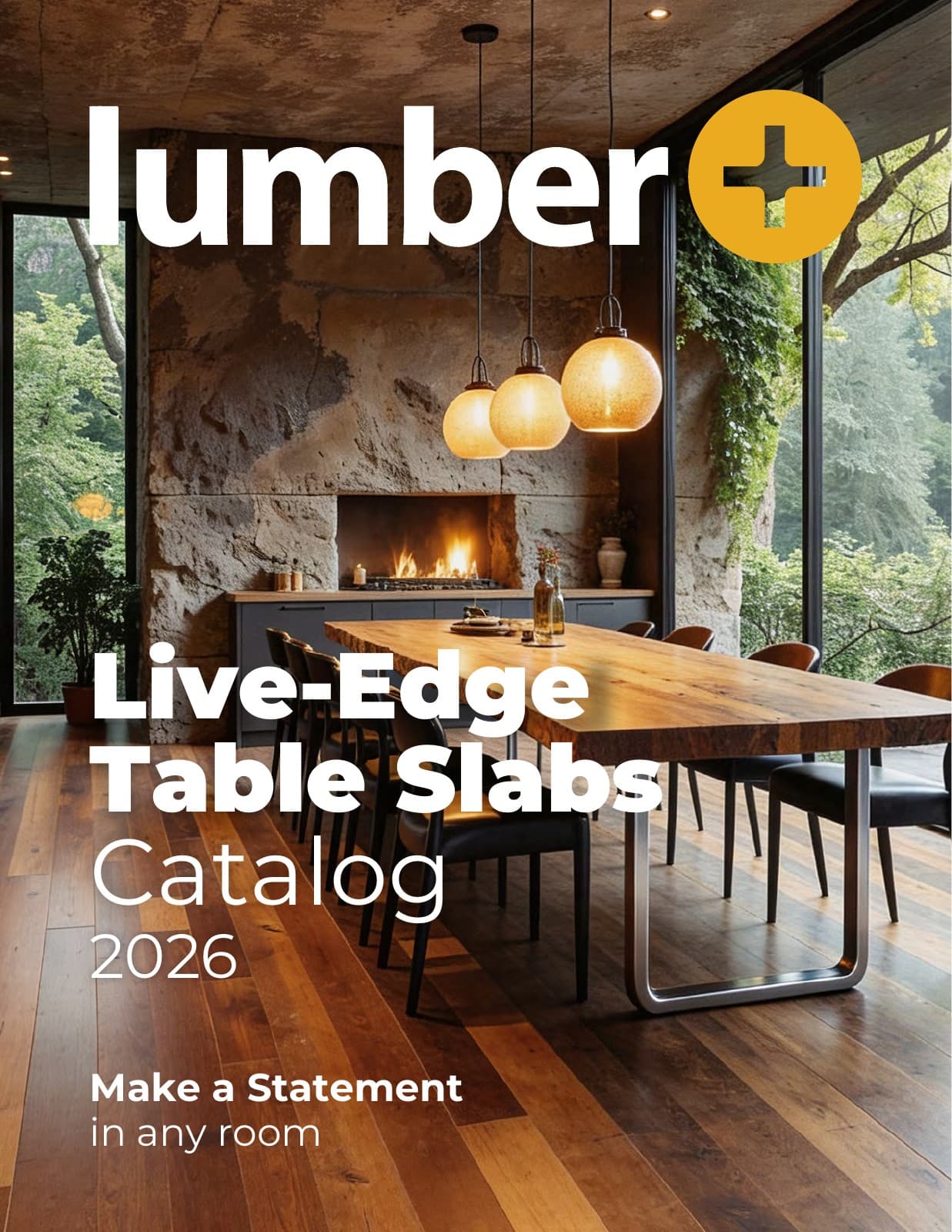
Understanding the Uniqueness of Live Edge Slabs
Live edge slabs are celebrated for their organic, untamed beauty, preserving the natural edge of the tree. This means no two slabs are exactly alike. Variations in shape, width, thickness, and the presence of natural characteristics like knots, checks, and voids are inherent to the material. These features contribute to the slab's individual character, which is why examining physical samples is paramount.
The species of wood also plays a significant role in its appearance and characteristics. Different species offer distinct grain patterns, color ranges, and densities. For instance, a Maximo Cumaru slab might present a rich, deep hue with a pronounced grain, while another species could offer a lighter tone with a more subtle pattern. Understanding these inherent differences is the first step in effective sample selection.
Always confirm the specific species and expected color or grain behavior for any sample you evaluate. The listed minimum and maximum width are more important than a general category average for your project dimensions. Reviewing current photos, checks, voids, and moisture information for the specific slab you are considering is crucial, as availability and individual slab details can change.
The Impact of Lighting on Slab Appearance
One of the most significant factors influencing how a live edge slab appears is the lighting conditions under which it is viewed. A slab that looks stunning under bright showroom lights might appear different in the softer, warmer light of your home or office.
When evaluating samples, try to observe them under various lighting conditions. If possible, take the sample to your project site and view it during different times of the day, mimicking the natural light changes it will experience. Pay attention to how the wood's color, grain, and any natural features shift. Artificial lighting, such as LED or incandescent, can also alter perception, so consider the type of lighting fixtures you plan to use in your finished space.
Assessing Texture and Finish
The tactile experience of a live edge slab is as important as its visual appeal. The texture can range from a smooth, finely sanded surface to a more rustic, hand-hewn feel. The chosen finish will also significantly impact both the look and feel, enhancing or muting the natural characteristics of the wood.
When you examine a sample, run your hand over its surface. Does it feel smooth and inviting, or does it have a more textured, natural feel? Consider how this texture will integrate with the intended use of the slab. For a dining table, a smoother finish might be preferred for ease of cleaning, while a console table might benefit from a more tactile, rustic surface. Discuss available finish options with your supplier or fabricator, as these will alter the final appearance and maintenance requirements.
Harmonizing with Adjacent Finishes
A live edge slab rarely exists in isolation. It will be part of a larger design scheme, interacting with surrounding materials such as flooring, wall colors, cabinetry, and furniture. How well the slab harmonizes with these adjacent finishes is crucial for a cohesive aesthetic.
Bring samples of your other finishes, such as paint swatches, fabric samples, or flooring samples, when you view the live edge slab. Place them next to the slab to see how they interact. Does the wood's tone complement or clash with your existing palette? Does the grain pattern add visual interest or create a sense of busyness? This step helps you visualize the complete picture and avoid potential design conflicts after the slab is installed.
Interpreting Sample Labels and Documentation
Each live edge slab sample should come with clear documentation. This typically includes the wood species, dimensions, and sometimes details about its origin or specific features. Do not underestimate the importance of these labels.
Always cross-reference the sample with the provided information. Confirm the species and ensure the sample accurately represents the characteristics of that species. For live edge slabs, specific dimensions (minimum and maximum width, length, and thickness) are vital, as they directly impact your project's feasibility. Pay attention to any notes about natural checks, voids, or moisture content, as these are inherent to live edge products and may influence your fabrication or finishing decisions. The 2026 PDF catalog is available online, but live-edge inventory changes piece by piece. Call the team to confirm the specific slab before a selection is reserved.
Worked Example: Selecting a Live Edge Desk Slab
Consider a hypothetical project: designing a 72-inch long by 30-inch wide home office desk. The room features light gray walls, natural oak hardwood floors, and a dark charcoal metal desk base. The goal is a warm, inviting workspace.
1. **Initial Selection:** The client reviewed online images and identified two potential species: a Maximo Cumaru slab for its deep, rich tones, and a lighter Maple slab for its more subtle grain. Both were available in approximate dimensions.
2. **Sample Acquisition:** Lumber Plus provided small physical samples (approximately 6x6 inches) of both species, each labeled with species, approximate color range, and typical grain pattern. Current photos of the specific slabs were also provided.
3. **Lighting Evaluation:** The client took the samples home. Under the room's natural daylight, the Cumaru appeared darker than expected, almost black in certain areas, potentially making the room feel heavy. The Maple, however, maintained a bright, airy feel. Under the planned LED desk lamp, the Cumaru's rich reds became more apparent, while the Maple retained its warmth without becoming too stark.
4. **Texture and Finish:** The Cumaru sample had a slightly rougher, more open grain, while the Maple was smoother. The client preferred the smoother feel for a desk surface. The Cumaru, if chosen, would require additional finishing to achieve the desired smoothness.
5. **Adjacent Finishes:** Placing the samples against the gray wall, oak floor, and charcoal desk base revealed a clear preference. The Maple blended seamlessly with the light walls and complemented the oak floor, while the Cumaru created a strong contrast that felt a bit too dominant for the desired serene workspace. The lighter Maple also created a pleasing contrast with the dark metal base.
6. **Documentation Review:** The specific Maple slab identified was 75 inches long and varied from 29 to 32 inches wide, with a note about a small, stable knot near one edge. This fit the project dimensions and the knot was deemed acceptable for character. The Cumaru slab was slightly wider, which would require trimming, but its inherent darkness remained a concern.
7. **Final Decision:** Based on the physical sample evaluation, particularly the lighting and harmony with adjacent finishes, the Maple slab was selected. The client confirmed the specific slab with Lumber Plus and reserved it, ensuring the actual piece matched the evaluated characteristics.
Before you order
- Confirm species and expected color/grain behavior for the sample.
- View the sample under various lighting conditions (natural, artificial, day, night).
- Assess the tactile feel and desired finish of the sample.
- Place the sample next to existing finishes (paint, flooring, cabinetry) in your space.
- Verify sample label details against your project dimensions and requirements.
- Review current photos and specific slab details (checks, voids, moisture).
- Consider the overall aesthetic impact and how the slab contributes to the room's mood.
Confirm installation details, approved uses and warranty terms in the current instructions for the exact product and profile. Your installer should verify the substrate, structure and applicable project requirements.
Questions to help you decide
Why can't I just rely on online photos of live edge slabs?
Online photos are a great starting point, but they cannot fully capture the true color, grain depth, and texture of a live edge slab. Lighting conditions in photographs can be highly manipulated, and screens display colors differently. Physical samples allow you to see the wood as it will appear in your actual space and to feel its surface.
Should I bring my own material samples when looking at live edge slabs?
Yes, absolutely. Bringing samples of your paint colors, flooring, fabric swatches, or cabinetry allows you to see how the live edge slab interacts with the other materials in your design. This helps ensure a cohesive and harmonious look for your finished project.
What should I ask about a live edge slab sample?
Always ask for the specific wood species, its typical color and grain characteristics, and any available information about the individual slab (like current photos, actual dimensions including minimum and maximum width, notes on natural features like knots or checks, and moisture content). Also inquire about recommended finishes and their impact on appearance and maintenance.
Ready to Select Your Live Edge Slab?
Request the current Lumber Plus live-edge slab catalog and speak with our team about available species, dimensions, and individual slab details. Provide your project dimensions, desired profile, and ZIP code to request a material quote and confirm current availability and service options.
Request a material quote →