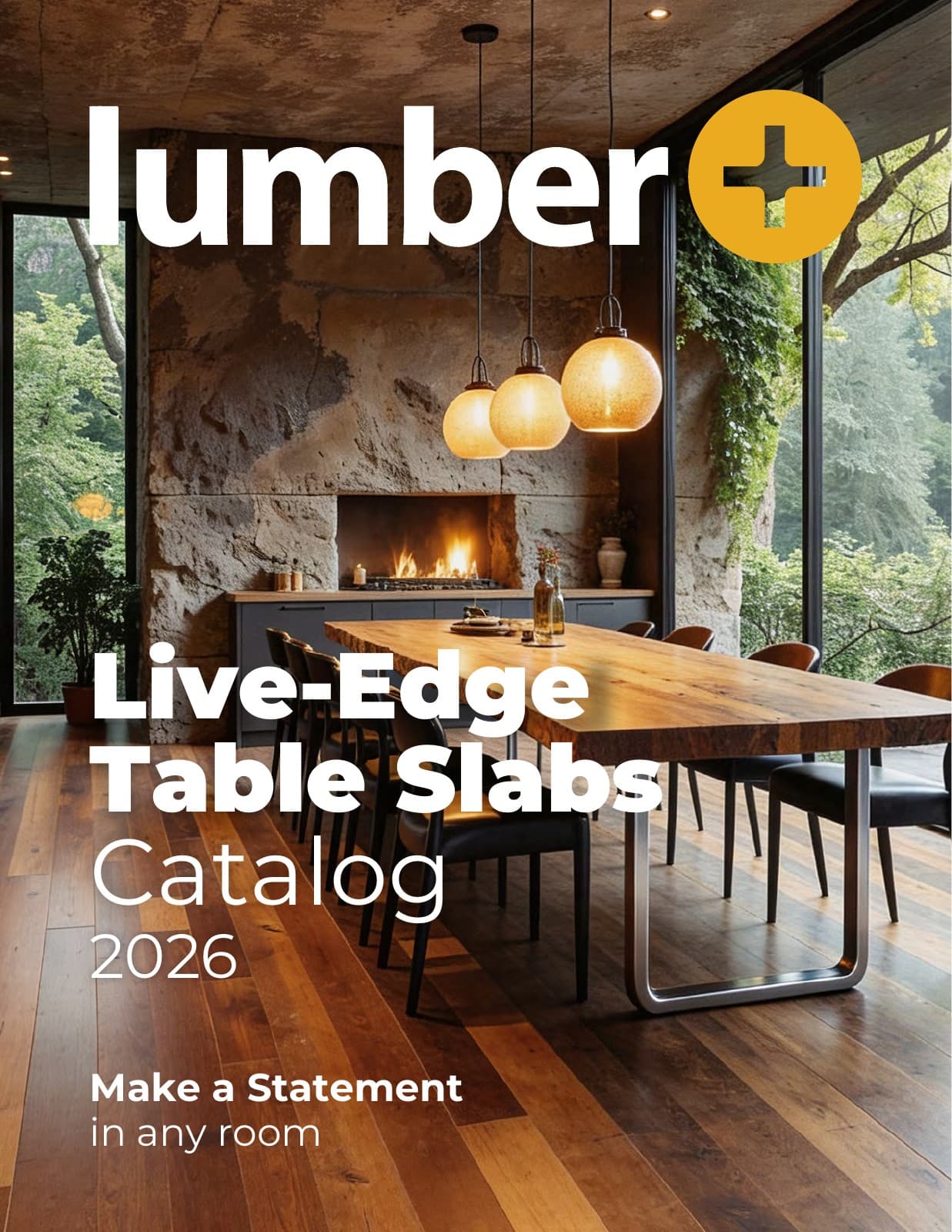
Understanding Your Live Edge Slab's Characteristics
Before selecting a base, take a comprehensive look at your live edge slab. Consider its species, overall dimensions (length, width, and thickness), and weight. A heavy, dense slab of African Mahogany will require a more substantial and stable base than a lighter, thinner slab of Poplar. The natural contours of the live edge itself can also influence your base choice; some designs work better with straighter edges, while others can accommodate more organic, undulating forms.
Note the slab's listed minimum and maximum width, as this will impact the base's footprint and how far it needs to extend. Review current photos of your specific slab to understand any unique checks, voids, or natural features that might influence base placement or attachment points. This careful assessment helps ensure structural integrity and aesthetic balance.
Stability and Support: The Foundation of Your Project
The primary function of any table base is to provide stable support for the slab. The weight of a live edge slab can be considerable, especially for larger dining or conference tables. Ensure the base material and construction are robust enough to bear the slab's full weight, plus any anticipated load from items placed on the table. For dining tables, consider the forces applied when people lean on the edge.
The base's footprint is also crucial. A wider base generally offers more stability. For longer slabs, consider multiple support points or a base design that extends along a significant portion of the slab's length to prevent sagging or tipping. The connection method between the slab and the base is equally important; it should be secure yet allow for the natural expansion and contraction of the wood with changes in humidity.
Aesthetic Harmony: Matching Style and Material
The aesthetic of your table base should complement the natural beauty and character of your live edge slab. Consider the overall style you want to achieve. For a modern, minimalist look, sleek metal bases in finishes like matte black, brushed steel, or polished chrome can provide a striking contrast to the organic wood. If you prefer a more rustic or traditional feel, a base crafted from wood, perhaps even matching the slab's species, can create a cohesive and warm appearance.
The profile of the base—whether it's an X-frame, U-shape, pedestal, or trestle—will also contribute significantly to the final look. A delicate slab might be overwhelmed by an overly bulky base, while a massive slab might make a slender base appear inadequate. Aim for a visual balance that enhances both components.
Common Table Base Types for Live Edge Slabs
Several popular table base types are frequently paired with live edge slabs, each offering distinct advantages:
Metal Bases (e.g., Steel, Iron): These are often chosen for their strength and modern aesthetic. They can be fabricated into various shapes, including industrial-style square tubes, elegant U-shapes, or minimalist X-frames. Metal bases offer a strong contrast to the wood and are generally very stable. Finishes can vary from raw industrial looks to powder-coated colors.
Wood Bases: A wooden base can create a unified look with the slab, especially if made from a complementary or matching species. Trestle bases, solid pedestals, or joined leg designs are common. Wood bases can be stained or finished to match the slab or left with a natural finish for subtle contrast. They often convey warmth and traditional craftsmanship.
Mixed Material Bases: Some designs incorporate a combination of materials, such as wood legs with metal crossbars, or concrete elements with a wooden frame. These can offer unique design possibilities and combine the strengths and aesthetics of different materials.
Worked Example: Selecting a Base for a 9-Foot Dining Table
Let's consider a hypothetical project: a 9-foot long, 40-inch wide, and 2-inch thick Maximo Cumaru live edge slab intended for a dining table. Cumaru is a dense, heavy hardwood, so stability is paramount. The slab has a relatively straight live edge, allowing for various base designs.
Given the slab's length and weight, a single pedestal base might not offer sufficient stability or prevent potential sagging in the middle over time. A better choice would be a trestle base or two robust U-shaped or X-shaped metal bases. For a modern aesthetic, two matte black powder-coated steel U-bases, each 30 inches wide and 28 inches tall, positioned approximately 12-18 inches from each end of the slab, would provide excellent support and a clean, contemporary look. The 30-inch width of each U-base offers a good footprint for stability, complementing the 40-inch slab width without appearing disproportionate. The dark metal would also provide a striking contrast to the warm tones of the Cumaru.
Alternatively, for a more rustic feel, a substantial wooden trestle base, fabricated from a similar hardwood, could be chosen. This would involve two robust leg structures connected by a central stretcher, distributing the slab's weight effectively and offering a more traditional presence. The choice ultimately depends on the desired style and the specific characteristics of the slab in question.
Attachment Methods and Wood Movement
The method used to attach the slab to the base is crucial for both stability and the longevity of the table. Wood is a hygroscopic material, meaning it absorbs and releases moisture, causing it to expand and contract across its width. Rigidly attaching the slab to the base without accounting for this movement can lead to cracking or warping of the slab over time.
Common attachment methods include Z-clips, slotted brackets, or figure-eight fasteners. These allow the slab to expand and contract while remaining securely fastened to the base. Ensure that your chosen base design and attachment hardware accommodate this natural wood movement, especially for wider slabs. Consult with your fabricator or a knowledgeable woodworker to ensure appropriate hardware and techniques are used for your specific slab and base combination.
Before you order
- Assess the live edge slab's species, dimensions (length, width, thickness), and estimated weight.
- Evaluate the slab's live edge characteristics and overall aesthetic.
- Determine the required stability based on the slab's weight and intended use.
- Consider the base's footprint and how it will distribute the slab's weight.
- Choose a base material (metal, wood, mixed) that aligns with your desired aesthetic and structural needs.
- Select a base profile (X-frame, U-shape, pedestal, trestle) that complements the slab's size and style.
- Confirm the attachment method allows for natural wood movement (e.g., Z-clips, slotted brackets).
- Verify the base's dimensions are appropriate for the slab's size and provide adequate legroom if applicable.
- Consider the finish of the base and how it will interact with the slab's finish.
Confirm installation details, approved uses and warranty terms in the current instructions for the exact product and profile. Your installer should verify the substrate, structure and applicable project requirements.
Questions to help you decide
How do I ensure the table base is strong enough for my live edge slab?
To ensure adequate strength, consider the slab's species and thickness, as these directly impact its weight. For heavier slabs, opt for bases made from robust materials like steel or solid hardwoods, with thicker gauge components or larger cross-sections. The base's design should also distribute weight effectively, often requiring a wider footprint or multiple support points for longer slabs. Consult the base manufacturer's specifications or a structural professional if you have concerns about very large or heavy slabs.
Can I use a wooden base with a live edge slab of a different wood species?
Yes, you can use a wooden base of a different species. The key is to ensure the woods complement each other aesthetically. Consider their grain patterns, natural colors, and how they might look with your chosen finish. Sometimes, a contrasting wood can create visual interest, while other times, a closely matched species provides a more cohesive look. Always consider how both woods will age and react to their environment.
What are Z-clips and why are they important?
Z-clips are small metal fasteners shaped like the letter 'Z' that are used to attach a tabletop to a base. They are important because they allow for the natural expansion and contraction of the wood slab across its width due to changes in humidity. One side of the 'Z' is screwed into the base, and the other side fits into a routed slot or opening on the underside of the slab. This connection keeps the slab securely attached while accommodating wood movement, which helps prevent cracking or warping of the slab over time.
Ready to Select Your Live Edge Slab and Base?
Request the current Lumber Plus live-edge slab catalog to explore available species and dimensions. Speak with a local branch about individual slab details and confirm current availability. When you're ready, provide your project dimensions, desired profile, and ZIP code to request a material quote.
Request a material quote →