The Courtyard Outdoor Room: Defining Your Space
A courtyard outdoor room typically involves a defined, often enclosed, exterior space that serves as an extension of interior living. Unlike an open deck, a courtyard often has walls, fences, or architectural elements that create a sense of enclosure and privacy. In Topeka, this can range from a small patio nestled between a home and garage to a larger, partially covered area designed for dining or relaxation.
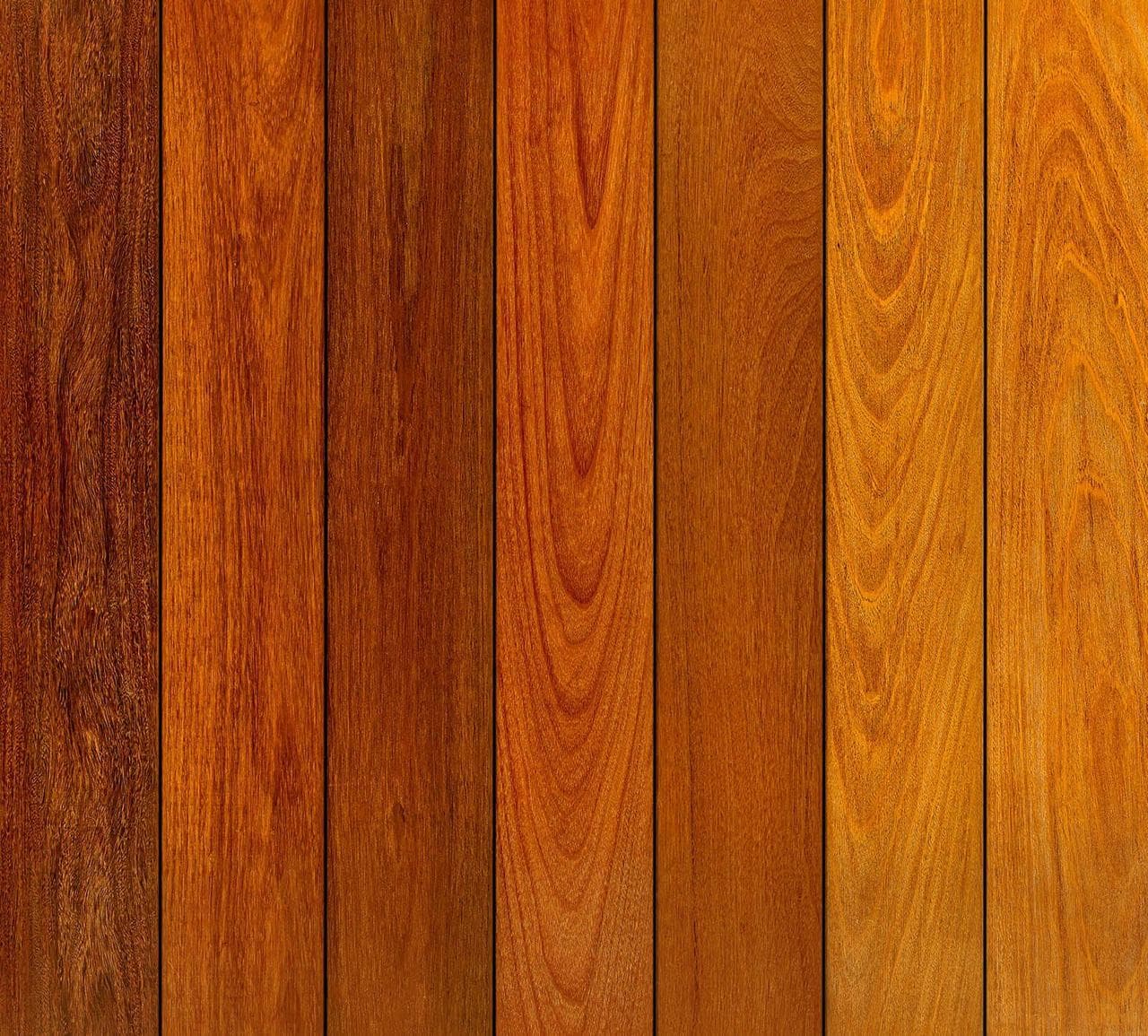
When designing with Ipe decking, consider how the deck will integrate with these surrounding elements. The material's natural reddish-brown to olive-brown tones can complement a variety of architectural styles, from traditional to contemporary. Its inherent density and resistance to moisture make it a practical choice for areas that might experience fluctuating sun and shade, or occasional pooling from rain, provided proper drainage is planned. The goal is to create a cohesive outdoor room that feels intentional and inviting.
Selecting Ipe Profiles and Dimensions for Courtyards
Ipe decking is available in various profiles and dimensions, which can influence the final look and feel of your courtyard. Common profiles include square-edge and grooved boards. Square-edge boards are typically face-fastened, offering a classic appearance, while grooved boards are designed for hidden fastening systems, resulting in a cleaner, fastener-free surface. The choice often depends on your aesthetic preference and desired installation method.
Dimensions also play a role. Ipe is available in a range of sizes, from 1"x2" to 6"x6" in lengths from 3 to 24 feet. For a courtyard, wider boards like 5/4 x 6 can create a sense of expansiveness, while narrower boards might be suitable for intricate patterns or smaller spaces. Consider the scale of your courtyard and how different board widths will impact the visual flow. Consistent planning of board lengths and seams is important for a polished look, especially in a contained space where details are more noticeable.
Ipe's minimal movement post-installation contributes to its stability, an important factor for an outdoor room where furniture and other elements will be placed. Its natural resistance to rot, insects, and mold also means less concern about material degradation in a partially enclosed environment.
Planning for Drainage and Ventilation in Courtyard Decks
Proper drainage and ventilation are critical for any outdoor deck, and even more so in a courtyard setting where airflow might be limited. Water must be able to drain away efficiently from the deck surface and sub-structure to prevent moisture accumulation, which can lead to issues over time, even with a durable material like Ipe.
Ensure that the deck design includes a slight slope to direct water away from the building and into appropriate drainage systems. For a ground-level courtyard deck, consider a well-drained gravel base or a system that allows for water to pass through and away. Adequate spacing between deck boards is also essential for both drainage and ventilation. Consult product guidelines for recommended board spacing to allow for natural wood movement and water runoff. Good air circulation beneath the deck helps prevent moisture buildup and supports the longevity of the Ipe.
Maintenance and Weathering Expectations for Ipe
Ipe wood is known for its low maintenance requirements. It is naturally resistant to weather changes, and its natural oils protect it from cracking or warping. If left untreated, Ipe will gradually weather to a silvery-gray patina, a look many homeowners find appealing.
If you prefer to maintain Ipe's original reddish-brown to olive-brown color, regular application of a UV-blocking sealer is recommended. Occasional cleaning will also help preserve its appearance. Plan for this maintenance as part of your courtyard project. For a Topeka courtyard, exposure to sun, rain, and seasonal changes means consistent maintenance, whether it's allowing the wood to weather naturally or applying a finish, will help ensure the deck continues to look its best.
Worked Example: A Topeka Courtyard Outdoor Dining Room
Consider a hypothetical Topeka courtyard project: an outdoor dining room measuring 12 feet by 15 feet. This space is enclosed on two sides by the house and on a third side by a low privacy wall, with the fourth side open to a garden. The goal is to create a durable, attractive surface for a dining table and chairs.
We choose Ipe decking in a 5/4 x 6 square-edge profile. The 12-foot width of the courtyard aligns well with common board lengths, minimizing waste. For the 15-foot length, we plan to use a combination of 10-foot and 5-foot boards, staggering seams for a natural look. With a nominal 6-inch width (actual dimensions will vary by manufacturer), approximately 24 boards would be needed across the 12-foot width (12 feet * 12 inches/foot / 6 inches/board = 24 boards).
For the 15-foot length, this would mean 24 boards at 15 feet long, or 360 linear feet per row. Total linear footage required would be 24 boards * 15 feet/board = 360 linear feet. Allowing for cuts and waste, an additional 10-15% should be added to the order. For this example, we would plan for 400-415 linear feet of Ipe 5/4 x 6 decking. The square-edge profile allows for face-fastening with stainless steel screws, ensuring a secure installation appropriate for a high-traffic dining area. The design includes a subtle slope away from the house towards the garden for drainage, and the privacy wall is constructed to allow for adequate airflow beneath the deck.
Before you order
- Define the exact dimensions and boundaries of your courtyard outdoor room.
- Determine the primary use of the space (dining, lounging, entertaining).
- Select the Ipe decking profile (square-edge or grooved) based on desired aesthetics and fastening method.
- Choose appropriate board widths and plan for efficient use of available lengths.
- Develop a drainage plan for the deck surface and sub-structure.
- Assess existing site conditions for ventilation and sunlight exposure.
- Decide on the desired finished appearance: natural silver-gray patina or maintained original color.
- Consider complementary materials for surrounding walls, landscaping, and furniture.
- Budget for both material costs and any required installation accessories and finishing products.
- Confirm local building codes and permits required for outdoor deck construction.
Confirm installation details, approved uses and warranty terms in the current instructions for the exact product and profile. Your installer should verify the substrate, structure and applicable project requirements.
This is a planning guide for projects in Topeka, KS. Ask our team to confirm availability, delivery to your ZIP code and which branch can support your order.
Questions to help you decide
How long does Ipe wood last in an outdoor room setting?
With proper care, Ipe decking can last up to 75 years, significantly longer than most other wood species used for outdoor purposes. Its natural resistance to rot, insects, and mold contributes to its longevity, making it suitable for courtyard outdoor rooms.
Does Ipe wood require special maintenance for a courtyard?
Ipe wood is low maintenance. For a courtyard, occasional cleaning is recommended. If you wish to preserve its original reddish-brown to olive-brown color, a UV-blocking sealer should be applied periodically. If left untreated, it will weather to a silvery-gray patina.
Can Ipe hardwood be installed by a homeowner for a courtyard project?
While it is possible, Ipe installation requires specialized tools and techniques due to its density. Professional installation is often recommended to ensure proper fastening, board spacing, and adherence to drainage requirements, especially in a defined courtyard space.
Ready to Plan Your Ipe Decking Courtyard in Topeka?
For a material quote and to confirm current availability and service options for your project, please provide your project dimensions, exact profile preferences, and ZIP code through our contact form. Our team can assist you in selecting the right Ipe decking for your Topeka outdoor room.
Request a material quote →