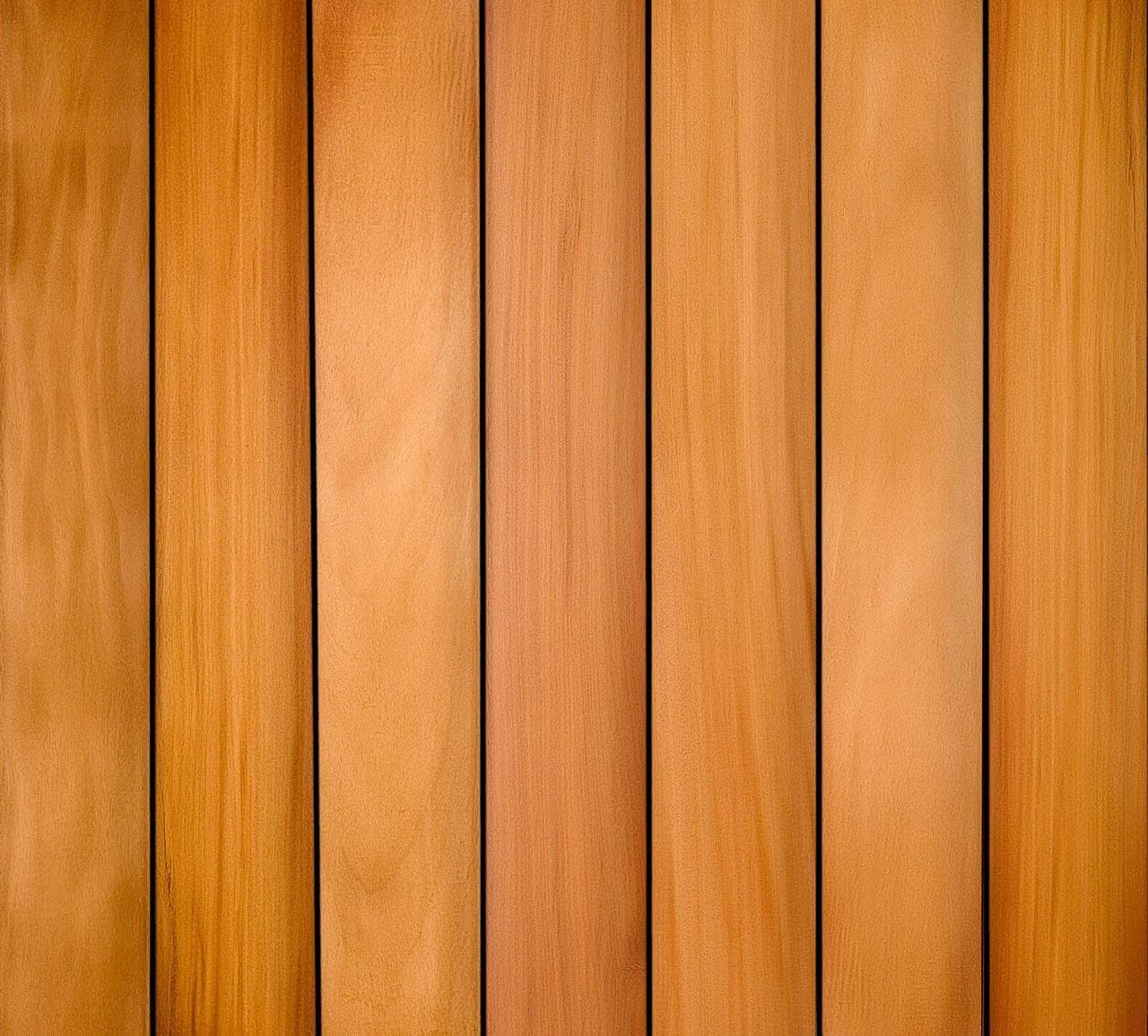
Understanding Garapa Hardwood Decking
Garapa, also known as Brazilian Ash, is a tropical hardwood originating from Brazil. It is characterized by its golden color, which can enhance the exterior of various home styles. This wood is recognized for its natural resistance to rot, decay, and insects, reducing the need for constant chemical treatments.
Garapa is also noted for being scratch and slip resistant, with minimal splintering, which can be a valuable attribute for outdoor walking surfaces. While it is dense and features an interlocking grain that requires sharp tools for cutting, it glues easily. When planning a terrace, the natural properties of Garapa contribute to a long-lasting and visually appealing surface. It is available in profiles such as 5/4"x6" (1" x 5.5") with grooved options, and lengths typically range from 3 to 24 feet.
Designing a Multi-Level Terrace with Garapa Decking
A multi-level terrace design offers functional separation and visual interest, especially in a Topeka backyard. Consider how different levels can define areas for specific activities, such as an elevated dining platform or a lower lounge area. Each level should be planned with appropriate structural support, ensuring proper ventilation beneath the deck surface. Garapa's consistent golden hue can unify these distinct levels, creating a cohesive outdoor environment.
When planning elevation changes, think about the transitions between levels. Steps made from Garapa can seamlessly connect different heights. The orientation of the decking boards can also influence the perceived size and flow of the space. Running boards parallel to the longest dimension of a level can make it appear more expansive, while a perpendicular layout can add a sense of structure. Ensure that all levels are designed with adequate drainage to prevent water accumulation, which is crucial for the longevity of any deck material.
Material Selection and Profiles
For a Garapa multi-level terrace, the standard 5/4"x6" (1" x 5.5") profile is a common choice for decking boards. This profile provides a substantial feel underfoot and is suitable for various structural applications. Some Garapa boards may also be available with a grooved option, which is designed for use with hidden fastening systems, creating a clean, fastener-free surface. Face fastening is another option, where screws are driven through the face of the board into the joists.
Consider using complementary Garapa material for fascia boards, stair risers, and treads to maintain a consistent aesthetic across all levels. While Garapa is naturally resistant, some builders may opt for a protective finish to maintain its golden color over time; otherwise, it will gradually weather to a silvery-gray patina. Discuss these finishing options when requesting a quote to ensure all necessary materials are included.
Worked Example: A Two-Level Garapa Terrace in Topeka
Let's consider a hypothetical two-level terrace project in Topeka, KS. The upper level is a dining area, 12 feet by 10 feet, connected by two steps to a lower lounging area, 16 feet by 10 feet. We'll use 5/4"x6" Garapa decking boards.
For the upper dining level (12 ft x 10 ft): If boards run parallel to the 12-foot length, you'll need approximately 20 boards for the 10-foot width (10 ft / 5.5 inches per board x 12 inches/ft ≈ 21.8, so 22 boards). Each board would be 12 feet long. Total lineal feet: 22 boards x 12 feet/board = 264 lineal feet. However, to account for waste and cuts, it's prudent to add 10-15%. For a 12x10 area, this equates to 120 square feet. If each 12-foot 5/4"x6" board covers 5.5 inches x 12 feet = 5.5 square feet, you would need 120 / 5.5 = 21.8 boards. Round up to 22 boards.
For the lower lounging level (16 ft x 10 ft): Similarly, if boards run parallel to the 16-foot length, you'll need 22 boards (for the 10-foot width). Each board would be 16 feet long. Total lineal feet: 22 boards x 16 feet/board = 352 lineal feet. For two steps, each 10 feet wide with a 12-inch tread depth, you'd need two 10-foot boards per step, plus material for risers. This would be 4 x 10-foot boards for treads (40 lineal feet) and 2 x 10-foot boards for risers (20 lineal feet).
Total estimated lineal feet for decking boards: 264 (upper) + 352 (lower) + 60 (steps) = 676 lineal feet. This calculation is for coverage only; actual purchased lengths will depend on available stock and a detailed cut plan to minimize waste. Always round up to the nearest full board length. For example, if 12-foot boards are not available, you might need to purchase 14-foot or 16-foot boards and cut them, which could increase waste. Always confirm specific board lengths in stock and consult with a professional for precise quantity takeoffs.
Considerations for Topeka's Climate and Site Conditions
Topeka, KS, experiences a range of seasonal weather, including hot summers and cold winters, with periods of humidity. Garapa's natural resistance to weather changes makes it a robust choice for these conditions. When installing, proper ventilation beneath the deck is critical to manage moisture and prevent warping or decay, especially in humid conditions. Ensure adequate spacing between deck boards to allow for expansion and contraction due to temperature and humidity fluctuations, as well as for water drainage.
Site-specific factors such as sun exposure and existing landscaping should also influence your design. A terrace exposed to full sun may benefit from a lighter finish to help reflect heat, while a partially shaded area might retain its golden color longer if left untreated. Consider how your terrace will integrate with surrounding elements like gardens, pathways, and existing structures, planning for smooth transitions and appropriate drainage solutions.
Before you order
- Determine the desired number of levels and their dimensions for your terrace design.
- Sketch a layout showing the placement of each level, steps, and board orientation.
- Calculate the square footage for each level and step, considering waste factors.
- Choose between grooved (hidden fastener) or plain (face fastener) Garapa decking profiles.
- Identify any complementary materials needed, such as fascia boards or stair components.
- Consider the impact of Topeka's climate on the decking and plan for proper ventilation and drainage.
- Decide on a finish (or no finish) based on desired appearance and maintenance preferences.
- Confirm the availability of specific Garapa board lengths to optimize your cut plan.
Confirm installation details, approved uses and warranty terms in the current instructions for the exact product and profile. Your installer should verify the substrate, structure and applicable project requirements.
This is a planning guide for projects in Topeka, KS. Ask our team to confirm availability, delivery to your ZIP code and which branch can support your order.
Questions to help you decide
What is the typical lifespan of Garapa decking?
This makes it a long-lasting option for outdoor projects like terraces. (Source: S1)
Does Garapa decking require special chemical treatments?
No, Garapa decking does not require constant chemical treatments or maintenance to withstand mold and decay due to its natural resistance properties. (Source: S1)
What color is Garapa decking, and how does it change over time?
Garapa decking typically has a golden color. If left untreated and exposed to the elements, it will gradually weather to a silvery-gray patina. Applying a UV-inhibiting oil can help maintain its original golden hue. (Source: S1)
Ready to Design Your Garapa Terrace in Topeka?
Request a material quote today. Provide your project dimensions, desired Garapa profile, and Topeka ZIP code to confirm current availability and service options for your terrace project. Explore our Garapa decking options and complementary materials to begin your transformation.
Request a material quote →