Understanding Ipe Decking for Courtyard Environments
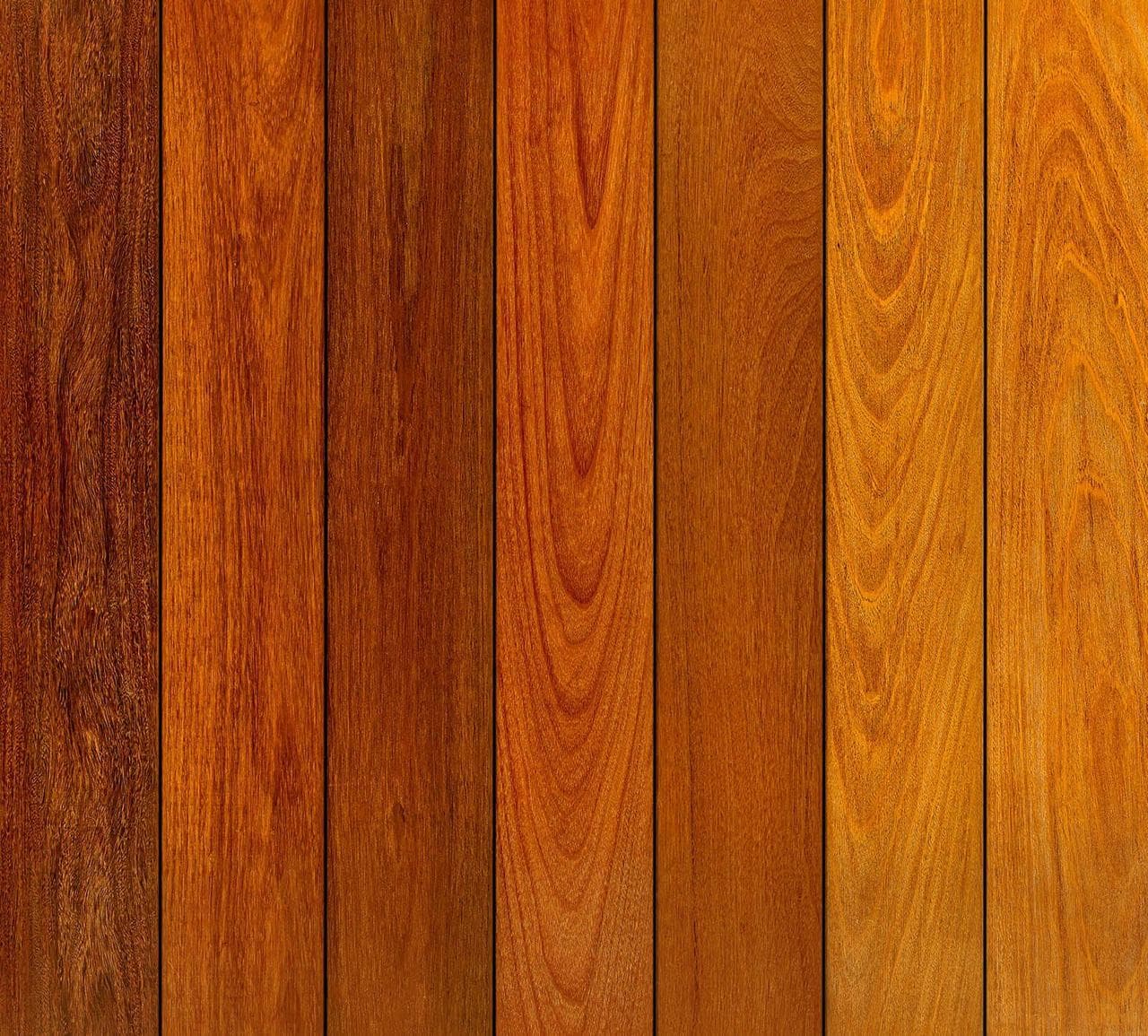
Ipe wood is a dense, durable hardwood native to South America, often chosen for outdoor applications due to its inherent strength and resistance. Its color ranges from reddish-brown to olive-brown, offering a rich, natural aesthetic that can enhance any outdoor setting. For a courtyard outdoor room, Ipe provides a solid foundation that can withstand foot traffic and the elements.
Courtyards often feature a combination of sun and shade, as well as varying levels of air circulation. Ipe's natural resistance to weather changes, mold, and termites makes it a strong candidate for these conditions. When planning, consider how the decking will interact with surrounding walls, planters, and any overhead structures to ensure proper drainage and ventilation, which are crucial for any outdoor wood application.
Selecting the Right Ipe Profiles and Dimensions
Ipe decking is available in a variety of profiles and sizes, allowing for design flexibility in your courtyard outdoor room. Common dimensions for decking boards range from 1x2 inches up to 6x6 inches, with lengths typically available from 3 to 24 feet. The choice of profile, such as square-edge or grooved, often depends on the fastening system you plan to use.
For a courtyard, board width can influence the visual scale of the space. Wider boards can make a compact area feel more expansive, while narrower boards might create a more intricate pattern. Discuss available profiles and dimensions with your supplier to match them to your design vision and structural requirements.
Consider the use of fascia boards for finishing the edges of your deck, creating a clean, polished look. These are typically available in matching Ipe to ensure a consistent aesthetic. Also, factor in any steps or transitions to adjacent paved areas, which may require specific board dimensions or custom cuts.
Planning for Drainage and Ventilation in a Courtyard
Effective drainage and ventilation are critical for the longevity of any deck, especially in a courtyard setting where airflow might be more restricted. Ensure that the deck substructure allows for water to drain away from the building foundation and prevent pooling. This might involve sloping the joists slightly or incorporating a robust drainage system beneath the deck surface.
Good airflow beneath the deck helps prevent moisture buildup, which can lead to issues over time. If your courtyard is enclosed or partially enclosed, consider incorporating vents or gaps in the perimeter skirting to facilitate cross-ventilation. Proper spacing between decking boards is also essential for water runoff and air circulation. Always adhere to the manufacturer's recommended spacing for your chosen Ipe profile.
In the Tampa climate, managing moisture is particularly important. Regular cleaning of debris from between deck boards can help maintain proper drainage and prevent organic matter from accumulating, which could otherwise hold moisture against the wood.
Maintenance Expectations for Ipe Decking
Ipe wood is known for its low maintenance requirements. It is naturally resistant to rot, insects, and mold, reducing the need for extensive chemical treatments. If left untreated, Ipe will gradually weather to a silvery-gray patina, a natural process that many find appealing. This weathering does not compromise the wood's structural integrity.
If you prefer to maintain Ipe's original reddish-brown to olive-brown color, a UV-blocking sealer or deck oil can be applied. This application typically needs to be refreshed periodically, depending on exposure and product specifications. Occasional cleaning with a mild cleaner and water will help remove surface dirt and maintain its appearance. Always confirm product compatibility with any cleaning agents or sealers before application.
Regular inspection of your Ipe deck for any signs of wear, loose fasteners, or debris accumulation is also a good practice. Addressing minor issues promptly can help extend the life and beauty of your outdoor room.
Hypothetical Courtyard Deck Project Example
Consider a hypothetical courtyard outdoor room in Tampa measuring 12 feet by 15 feet. The owner desires a durable, low-maintenance deck surface that complements existing stucco walls and tropical landscaping. They choose Ipe 1x6 (nominal) square-edge decking boards for a classic, clean look.
For a 12-foot by 15-foot area (180 square feet), assuming a nominal 5.5-inch actual width for 1x6 boards, and planning for a linear installation with minimal waste. If using 12-foot length boards, you would need 15 feet / (5.5 inches / 12 inches/foot) = approximately 32.7 boards to cover the 15-foot width. Rounding up to 33 boards for cuts and potential waste. For the 12-foot length, this means 33 boards * 12 linear feet/board = 396 linear feet of Ipe 1x6 decking.
This calculation is a simplified area-equivalent. In a real project, you would account for actual board lengths, a specific cut plan, waste factor (typically 10-15%), and any border or pattern details. For example, if using 10-foot boards, you'd need more cuts and potentially more boards to cover the 12-foot dimension efficiently. It's crucial to confirm the exact linear footage needed based on your specific layout and preferred board lengths when requesting a quote. For this example, we would also factor in matching Ipe fascia boards for the exposed edges, such as 1x8 nominal for the perimeter.
Before you order
- Confirm the exact dimensions of your courtyard outdoor room.
- Decide on the desired Ipe board profile (e.g., square-edge, grooved).
- Determine the preferred board width and consider its visual impact on the space.
- Plan for proper drainage and ventilation beneath the deck surface.
- Consider whether you prefer Ipe's natural silver-gray patina or want to maintain its original color with a UV-blocking sealer.
- Identify any specific finishing elements, such as fascia boards or stair treads.
- Account for a waste factor (typically 10-15%) when calculating material quantities.
- Verify local building codes and permit requirements for deck construction in Tampa, FL.
- Consult with a professional installer for specialized tools and techniques required for Ipe due to its density.
Confirm installation details, approved uses and warranty terms in the current instructions for the exact product and profile. Your installer should verify the substrate, structure and applicable project requirements.
This is a planning guide for projects in Tampa, FL. Ask our team to confirm availability, delivery to your ZIP code and which branch can support your order.
Questions to help you decide
How does Ipe decking hold up in the Tampa climate?
Ipe is well-suited for the Tampa climate due to its natural resistance to moisture, mold, and insects. Its density helps it resist warping and cracking even with high humidity and seasonal rain. Proper installation with adequate ventilation and drainage is key to its long-term performance.
Does Ipe decking require a special finish or sealant?
Ipe decking can be left unfinished to weather naturally to a silvery-gray patina without compromising its durability. If you prefer to maintain its original rich reddish-brown to olive-brown color, applying a UV-blocking sealer or deck oil periodically is recommended. This also helps protect against UV degradation.
Is Ipe decking difficult to install?
Due to its exceptional density and hardness, Ipe decking requires specialized tools and techniques for installation, including pre-drilling for fasteners. While possible for experienced DIYers, professional installation is often recommended to ensure proper fastening, spacing, and long-term performance, especially for a precise courtyard application.
Ready to Transform Your Tampa Courtyard with Ipe Decking?
Request a material quote today by providing your project dimensions, desired Ipe profile, and ZIP code. We can also confirm current availability and service options for your location. Visit our Ipe Decking page for more information and to view available profiles: [/decking/hardwood/ipe]. You may also find our general decking options helpful: [/decking], [/decking/hardwood], [/decking/composite], and [/decking/pvc].
Request a material quote →