Why Ipe for a Courtyard Outdoor Room?
Courtyard outdoor rooms often experience varying conditions, from shaded corners to areas exposed to direct sun and precipitation. Ipe (Handroanthus spp.), also known as Brazilian walnut, is a dense hardwood that offers attributes suitable for these environments.
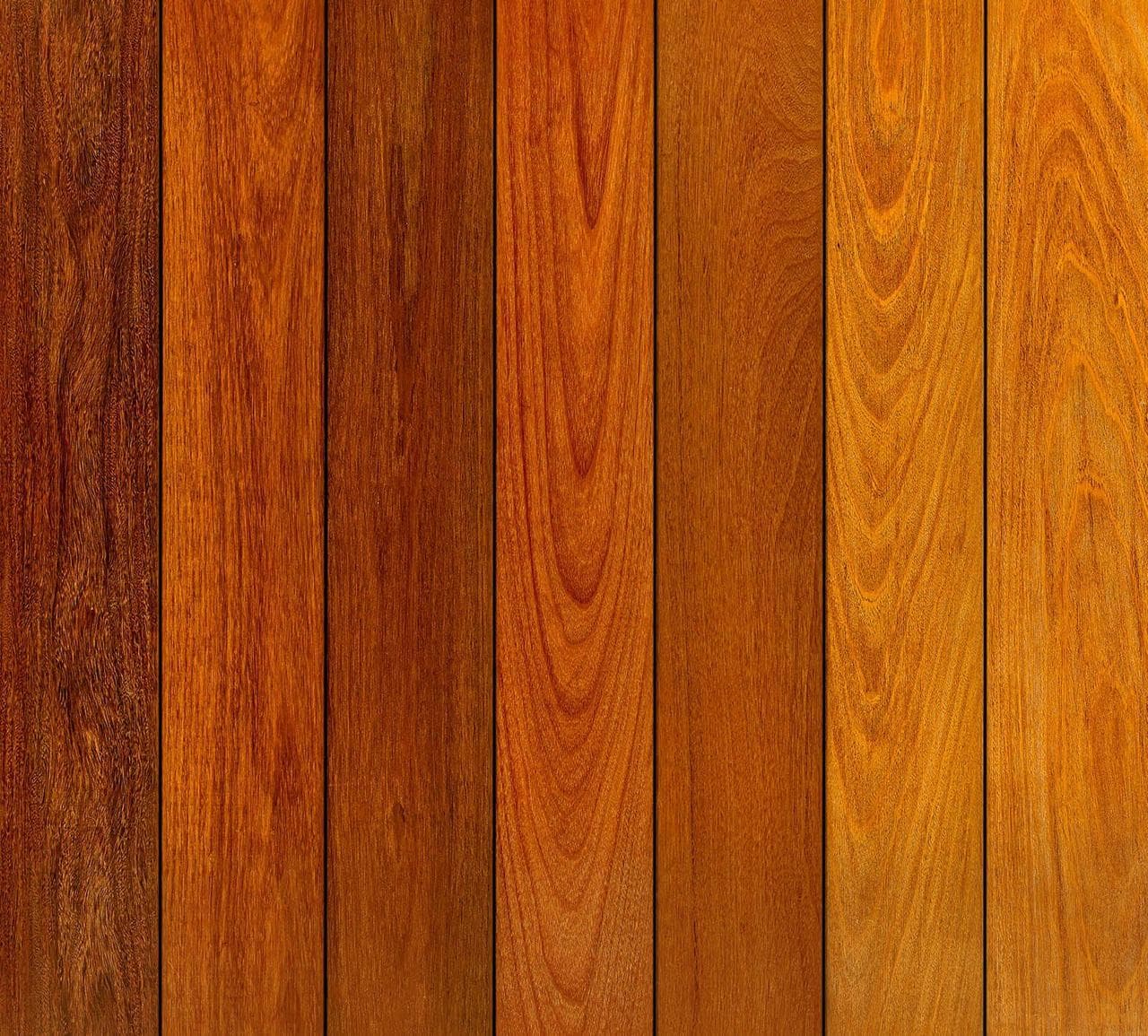
Its natural resistance to rot, insects, and mold contributes to its durability. Ipe's inherent qualities also help it resist warping after moisture exposure, which is an important consideration in areas that experience seasonal changes. The wood's color ranges from reddish-brown to olive-brown, providing a rich, natural aesthetic that can complement various architectural styles.
Choosing Ipe for a courtyard means selecting a material known for its ability to withstand outdoor conditions while maintaining its visual appeal over time, whether you opt to preserve its original hue or allow it to weather to a silvery-gray patina.
Planning Your Courtyard Deck: A Worked Example
Consider a hypothetical Syracuse courtyard measuring 12 feet wide by 15 feet long. The goal is to create a deck that maximizes usable space while allowing for adequate drainage and air circulation beneath. For this example, we will use standard 1x6 (nominally 1 inch thick by 6 inches wide) Ipe decking boards.
First, calculate the total area: 12 ft x 15 ft = 180 square feet. If using 1x6 boards, which are typically 5.5 inches wide in actual dimension, you would need approximately 2.18 linear feet of board per square foot (12 inches / 5.5 inches = ~2.18). Thus, 180 sq ft * 2.18 LF/sq ft = 392.4 linear feet. Accounting for cuts, waste, and a typical 5% overage, you might plan for around 412 linear feet of Ipe boards. This calculation assumes a straight run and minimal complex cuts.
For a 12-foot width, you'd need approximately 26 boards (12 feet * 12 inches/foot / 5.5 inches/board = ~26.18 boards). For the 15-foot length, you could use 15-foot boards, or a combination of shorter lengths to minimize waste, depending on availability. For example, if 15-foot boards are available, you would need 26 boards x 15 feet/board = 390 linear feet. Always confirm actual board dimensions and available lengths when ordering and factor in specific layout needs, such as picture-framing or diagonal patterns, which may require additional material.
Ipe Decking Profiles and Dimensions
Ipe decking is available in a variety of profiles and dimensions, allowing for flexibility in design and installation. Common options include square-edge boards, which are typically face-fastened, and grooved boards, which are designed for hidden fastening systems. The choice between these depends on the desired aesthetic and installation method.
Standard dimensions for Ipe decking often include 1x4, 1x6, 5/4x4, and 5/4x6. The "5/4" designation refers to a nominal 1.25-inch thickness, providing a slightly more substantial board. Actual dimensions will be slightly less than nominal, for example, a 1x6 board is typically 0.75 inches thick by 5.5 inches wide. These standard sizes can be incorporated into various courtyard designs, from simple plank layouts to more intricate patterns.
When selecting profiles, consider how they will integrate with the overall design of your outdoor room, including transitions to adjacent hardscaping or garden beds. The availability of various lengths, typically ranging from 3 to 24 feet, also influences design and waste minimization.
Installation Considerations for Courtyard Decks
The density of Ipe requires specialized tools and techniques for installation. Pre-drilling is generally necessary for fasteners, even when using self-tapping screws, to prevent splitting. For a professional finish, many installers recommend using hidden fastening systems for grooved boards or plugging face-fastened screws with Ipe plugs.
Adequate ventilation beneath the deck is crucial, especially in a courtyard setting where airflow might be restricted. Proper spacing between boards is also essential to allow for drainage and minor expansion/contraction. The exact spacing requirements can vary by product and local conditions, so it is important to consult specific manufacturer guidelines.
Given the weight and density of Ipe, ensuring the substructure is robust enough to support the decking material and anticipated loads (such as planters or outdoor furniture) is critical. Professional installation is often recommended due to the material's characteristics and the precision required for a lasting result.
Maintenance for Ipe in Syracuse's Climate
Ipe wood is known for its low maintenance requirements. If left untreated, it will naturally weather to a silvery-gray patina over time. This weathering process does not compromise the wood's structural integrity or natural resistance to elements. For those who prefer to maintain Ipe's original reddish-brown to olive-brown color, applying a UV-blocking sealer is recommended.
Regular cleaning with a deck cleaner and a soft brush can help remove dirt, pollen, and other environmental buildup. In a climate like Syracuse, with its distinct seasons, periodic inspection for debris accumulation, especially in shaded courtyard areas, is beneficial. Ensuring good drainage and airflow around and under the deck also contributes to its longevity.
While Ipe resists warping and cracking due to its natural oils, occasional sealing and cleaning will help preserve its appearance. Consult specific product care instructions for recommended cleaning agents and sealing schedules.
Before you order
- Determine desired finished appearance: natural silver-gray patina or maintained original color with UV-blocking sealer.
- Measure courtyard dimensions accurately for deck area and board length planning.
- Select Ipe board profile (square-edge or grooved) based on fastening preference (face-fastened or hidden).
- Verify substructure adequacy for Ipe's density and weight, considering any planned heavy elements like planters.
- Plan for proper ventilation and drainage beneath the deck, especially in enclosed courtyard spaces.
- Consider professional installation due to Ipe's density and specialized tooling requirements.
- Budget for any necessary sealers, cleaners, and maintenance supplies to achieve desired aesthetic and prolong life.
Confirm installation details, approved uses and warranty terms in the current instructions for the exact product and profile. Your installer should verify the substrate, structure and applicable project requirements.
This is a planning guide for projects in Syracuse, NY. Ask our team to confirm availability, delivery to your ZIP code and which branch can support your order.
Questions to help you decide
How long can Ipe decking last in a Syracuse courtyard?
With proper care and installation, Ipe decking can last for decades, potentially up to 75 years. Its natural resistance to rot, insects, and weather changes makes it a durable choice for outdoor spaces, including those exposed to Syracuse's seasonal conditions.
Does Ipe wood require a specific type of fastener?
Due to its density, Ipe typically requires pre-drilling for fasteners to prevent splitting. Stainless steel fasteners are generally recommended for their corrosion resistance. For grooved boards, hidden fastening systems are common, while square-edge boards can be face-fastened with screws and optional plugs for a seamless look.
Can Ipe decking be installed directly on the ground in a courtyard?
No, Ipe decking should not be installed directly on the ground. A proper substructure is essential to provide adequate ventilation, drainage, and structural support. This helps prevent moisture buildup, which can lead to issues with any decking material. Consult an installer for appropriate substructure design.
Plan Your Ipe Courtyard Decking Project
Ready to transform your courtyard? Request a material quote for Ipe decking by providing your project dimensions, desired profile, and ZIP code. We can help you confirm current availability and service options for your Syracuse, NY project.
Request a material quote →