The Distinctive Appeal of Ipe for Courtyards
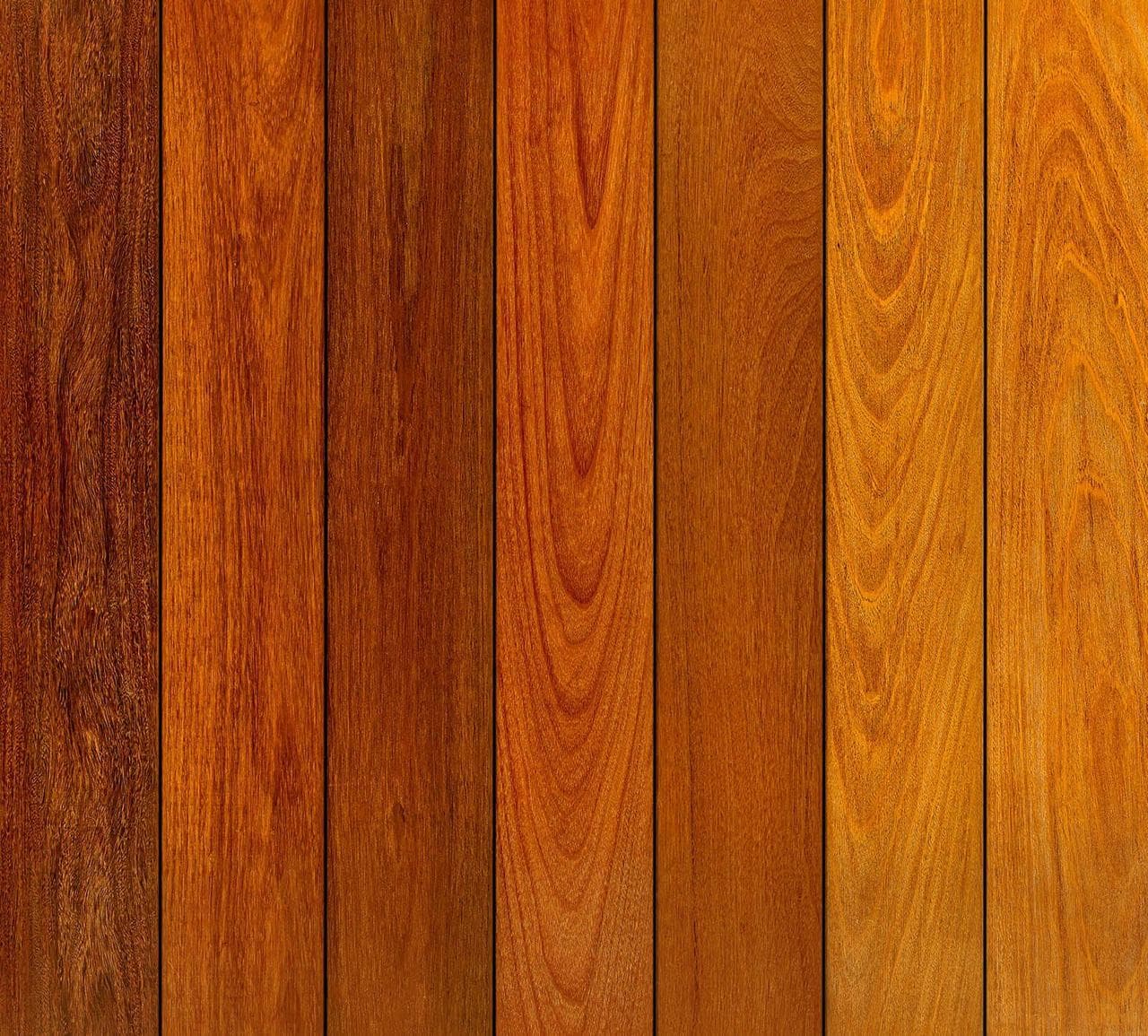
Ipe wood, also known as Brazilian walnut, is a dense, durable hardwood originating from South America. It is recognized for its rich color spectrum, ranging from reddish-brown to olive-brown, which can add a touch of natural sophistication to any outdoor space. In a courtyard, where visual impact from surrounding windows or doorways is often high, Ipe's aesthetic can provide a strong foundation for an outdoor room.
Beyond its appearance, Ipe offers inherent resistance to common outdoor challenges. This includes natural resistance to mold and termites, which can be particularly beneficial in courtyards where airflow might be more restricted compared to open decks. Its ability to resist warping after moisture exposure helps maintain a consistent surface, an important factor for areas intended for gathering and furniture placement.
Planning Your Courtyard: Dimensions and Layout
Courtyards often present specific dimensional challenges, frequently being smaller or more irregularly shaped than open-air decks. Accurate measurement is crucial. Consider the overall footprint, as well as the placement of any existing features like planter boxes, walls, or access points. The goal is to create a seamless transition from interior spaces to the outdoor room.
For a hypothetical 10-foot by 12-foot courtyard, a common decking board profile such as 1x6 (nominal, actual dimensions may vary) can be an efficient choice. If using 5.5-inch wide boards (actual measurement for a nominal 1x6), approximately 26 boards would be needed for the 12-foot length (12 feet * 12 inches/foot / 5.5 inches/board = ~26.18 boards). For the 10-foot width, 10-foot length boards would be ideal to minimize waste. Always factor in cutting waste and potential future repairs by ordering an additional 10-15% over the calculated quantity.
Careful planning of board direction can enhance the sense of space. Running boards parallel to the longest dimension of the courtyard can make the space appear longer, while a diagonal layout might add visual interest but could increase material waste due to more complex cuts. Consider how the decking will meet adjacent structures, ensuring proper expansion gaps and drainage.
Choosing the Right Ipe Profile for Your Courtyard
Ipe decking is available in a variety of profiles and sizes, typically ranging from 1"x2" to 6"x6" dimensions and lengths from 3 to 24 feet. For standard decking surfaces, common profiles include nominal 1x4, 1x6, 5/4x4, and 5/4x6. The choice of profile impacts both the aesthetic and the structural feel of the deck.
Thicker boards, such as 5/4x6, can offer a more substantial feel underfoot and potentially greater spanning capabilities, though specific structural requirements should always be verified. Standard 1x6 or 1x4 boards can create a sleek, modern look. Consider the visibility of fasteners: grooved boards are often used with hidden fastening systems for a clean surface, while square-edge boards can be face-fastened, which may be preferred for certain designs or structural needs. The specific assembly method will dictate the board spacing, which is crucial for drainage and board movement.
Addressing Courtyard-Specific Conditions: Shade and Drainage
Courtyards often have varying levels of shade and sun exposure throughout the day, which can influence surface temperature and moisture retention. While Ipe is highly resistant to weather changes and mold, proper ventilation beneath the deck is still important to prevent moisture buildup. Ensure adequate spacing between boards and sufficient airflow beneath the deck surface.
Drainage is another critical consideration. Courtyards typically have limited natural runoff. The deck design should facilitate water shedding away from structures and towards appropriate drainage points. This may involve a slight slope in the sub-structure. Consult with a professional to ensure your deck design integrates effectively with your courtyard's existing drainage system and local building practices.
In areas that experience winter conditions, such as Newport, RI, Ipe's resistance to cracking or warping from moisture exposure is an advantage. However, planning for snow and ice removal should also be part of the design process, ensuring the deck surface can withstand regular clearing.
Maintenance Expectations for Ipe Decking
Ipe wood is considered low maintenance, but understanding its care requirements is key to preserving its appearance. If left untreated, Ipe will naturally weather to a silvery-gray patina, a look many find appealing. This process does not diminish its durability or resistance to rot and insects.
To maintain Ipe's original reddish-brown to olive-brown color, regular application of a UV-blocking sealer or oil is recommended. This typically involves cleaning the deck and reapplying the finish annually or as needed, depending on exposure and product specifications. Occasional cleaning with a compatible deck cleaner will help remove dirt and mildew. Always follow the specific instructions for any cleaning or sealing products to ensure compatibility with Ipe wood.
Before you order
- Accurately measure your courtyard dimensions, noting any existing features or obstructions.
- Determine the desired finished appearance: natural silvery-gray patina or maintained original color.
- Select an Ipe decking profile (e.g., 1x6, 5/4x6) that suits your aesthetic and structural needs.
- Plan for adequate ventilation and drainage beneath the deck, especially in shaded courtyard areas.
- Consider fastening methods: hidden fasteners for a smooth surface or face-fastening for a traditional look.
- Account for board spacing to allow for movement and drainage, following manufacturer guidelines.
- Factor in cutting waste and order an additional 10-15% of material.
- Review local building codes and permit requirements for outdoor deck structures in Newport, RI.
Confirm installation details, approved uses and warranty terms in the current instructions for the exact product and profile. Your installer should verify the substrate, structure and applicable project requirements.
This is a planning guide for projects in Newport, RI. Ask our team to confirm availability, delivery to your ZIP code and which branch can support your order.
Questions to help you decide
How long does Ipe decking last in a courtyard environment?
With proper installation and care, Ipe decking can last for decades. Its natural density and resistance to rot, insects, and weather changes contribute to its long lifespan, making it a durable choice for courtyard outdoor rooms.
Will Ipe decking become slippery in a shaded, damp courtyard?
While Ipe is naturally resistant to mold, any outdoor surface can become slippery when wet, especially in shaded, damp conditions where algae or mildew might accumulate. Regular cleaning is recommended to maintain a safe walking surface. Ensuring good ventilation and drainage during installation can help mitigate excessive moisture buildup.
Can I install Ipe decking myself in my Newport courtyard?
While it is possible to install Ipe decking as a DIY project, its extreme density requires specialized tools and techniques for cutting and fastening. Professional installation is often recommended to ensure proper execution, especially for precise cuts and fastening methods that maximize the material's longevity and appearance in a courtyard setting. If you plan to DIY, ensure you have the correct tools and understand the specific installation requirements for Ipe.
Plan Your Ipe Decking Courtyard Project
Ready to transform your Newport, RI courtyard with Ipe decking? Request a material quote today by providing your project dimensions, desired Ipe profile, and ZIP code. We can also confirm current availability and service options for your area. Explore our full range of Ipe decking and related products to complete your outdoor room vision.
Request a material quote →