Defining Your Courtyard Outdoor Room
Before selecting materials, clarify the primary function and desired ambiance of your courtyard. Will it be a high-traffic area for entertaining, a quiet retreat, or a combination? Courtyards typically have more defined boundaries, which can influence natural light, airflow, and drainage. Consider how these factors interact with your material choice.
An outdoor room, by definition, aims to extend interior living spaces outdoors, often featuring elements like pergolas, shade structures, outdoor kitchens, or comfortable seating. The decking serves as the floor of this 'room,' so its appearance, texture, and durability are crucial to the overall design.
Why Ipe Decking for a Jacksonville Courtyard?
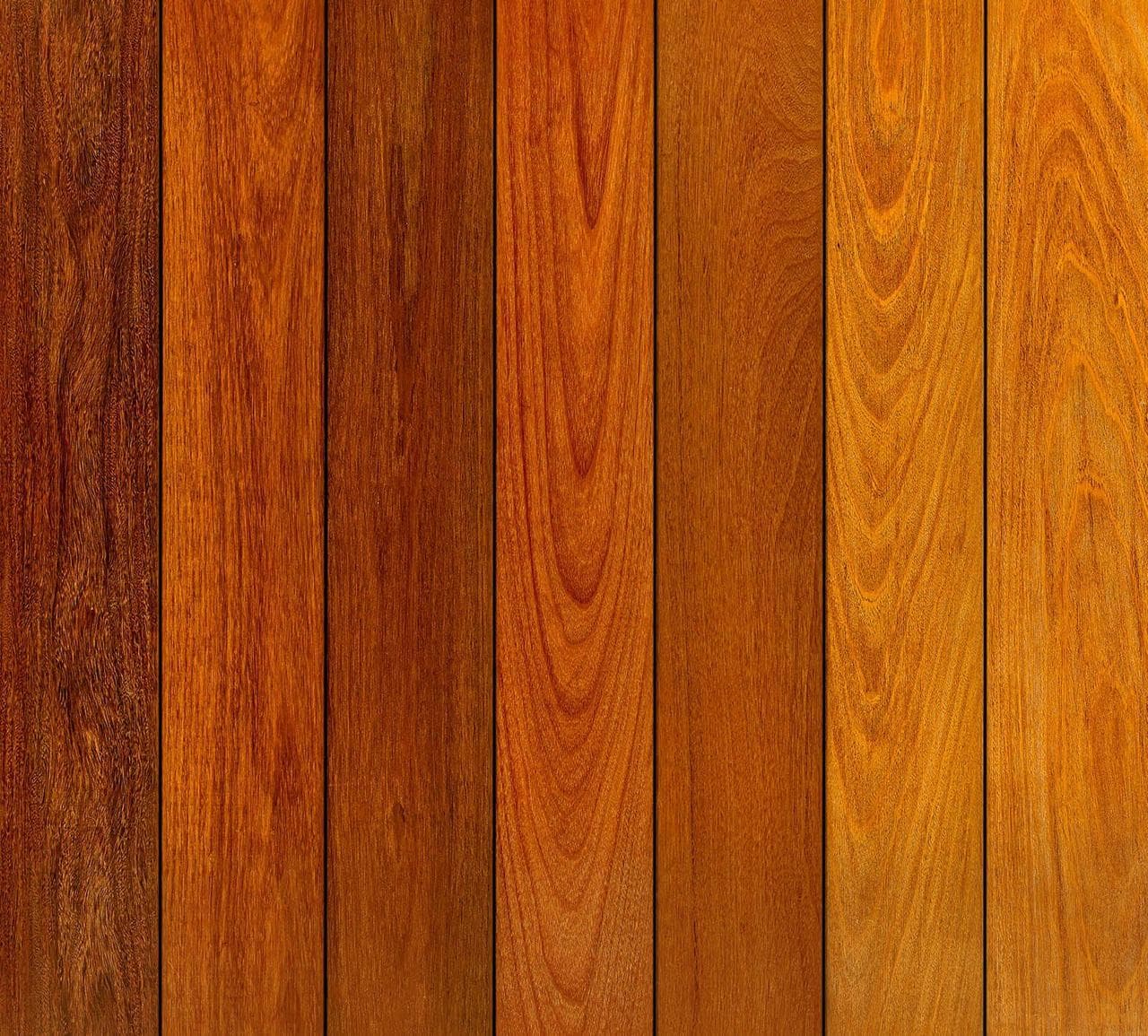
Ipe wood, also known as Brazilian walnut, is a dense, durable hardwood originating from South America. Its natural resistance to rot, insects, and mold makes it a consideration for outdoor applications, including in environments like Jacksonville, FL, where humidity and potential for moisture exposure are factors. Ipe's color ranges from reddish-brown to olive-brown, which can add a rich, natural aesthetic to a courtyard.
The minimal movement post-installation and inherent resistance to weather changes are attributes that contribute to its suitability for a permanent outdoor structure. While all outdoor materials require some level of care, Ipe's natural properties can contribute to a low-maintenance ownership experience if its weathered appearance is embraced. If a consistent, rich color is preferred, periodic oiling is part of the maintenance routine.
For courtyards that may experience varying levels of sun and shade, Ipe's resistance to warping after moisture exposure and its natural oils can protect it from cracking or warping, which is important for maintaining a level and consistent surface.
Selecting Ipe Profiles and Dimensions
Ipe decking is available in a variety of profiles and dimensions, typically ranging from 1"x2" to 6"x6" in lengths from 3 to 24 feet. For courtyard decking, common profiles include 1x4 and 1x6 boards, which offer a classic decking appearance. The choice between square-edge and grooved boards will depend on your preferred fastening system. Square-edge boards are typically face-fastened, while grooved boards are designed for hidden fastening systems, which can create a cleaner, fastener-free surface.
Consider the scale of your courtyard when choosing board widths. Wider boards can make a smaller courtyard feel more expansive, while narrower boards might create a more intricate pattern. For example, a 1x4 board provides a finished width of approximately 3.5 inches, while a 1x6 board offers approximately 5.5 inches of finished width. The exact dimensions should be confirmed with the supplier.
For elements like benches or steps within the courtyard, Ipe can also be used for fascia or trim to maintain a cohesive look. Verify the availability of these complementary profiles when planning your order.
A Hypothetical Courtyard Decking Example: The "Urban Oasis"
Imagine a compact urban courtyard in Jacksonville, measuring 12 feet by 15 feet, intended as a serene outdoor dining and relaxation area. The design includes a raised deck platform covering the entire area, with a small built-in bench along one 15-foot side. The owner desires a clean, contemporary look with hidden fasteners.
For this 12 ft x 15 ft area (180 square feet), we select 1x6 (nominal) grooved Ipe decking boards for a hidden fastening system. Assuming an actual finished width of 5.5 inches for the decking boards and a standard board length of 12 feet, we can calculate the approximate material needs.
To cover the 12-foot width, approximately (12 feet * 12 inches/foot) / 5.5 inches/board = 26.18 boards. We round up to 27 boards to ensure full coverage and account for cuts. For the 15-foot length, each board would be cut to 15 feet. Since Ipe is available in lengths up to 24 feet, we would order 15-foot boards. Therefore, 27 boards, each 15 feet long, are needed for the main deck surface. This equals 27 boards * 15 feet/board = 405 linear feet of 1x6 Ipe decking.
For the built-in bench, assume a depth of 18 inches and a height of 18 inches, running the 15-foot length. This would require additional Ipe boards for the top and front face of the bench, plus any framing material. For the bench top (15 ft x 1.5 ft), we'd need approximately (15 feet * 12 inches/foot) / 5.5 inches/board = 32.7 boards, so 33 boards, each 1.5 feet long. For the front fascia (15 ft x 1.5 ft), another 33 boards, each 1.5 feet long. This example highlights the need to precisely measure all surfaces for an accurate material quote.
This calculation is for area coverage only; actual purchase quantities will depend on available board lengths, waste factors, and specific cutting plans. Always add a percentage for waste, typically 10-15%, especially with intricate cuts or diagonal layouts.
Maintenance and Weathering in Jacksonville's Climate
Ipe wood is known for its low maintenance requirements. If left untreated, it will naturally weather to a silvery-gray patina over time. This process is generally uniform and does not compromise the wood's structural integrity. Many homeowners in Jacksonville appreciate this weathered look, as it blends well with natural landscapes and requires minimal effort.
If you prefer to maintain Ipe's original reddish-brown to olive-brown color, a UV-blocking sealer or oil should be applied periodically. The frequency of application will depend on sun exposure and the specific product used, but typically ranges from annually to every few years. Regular cleaning with a mild cleanser and water will help remove dirt, pollen, and mildew, which can be prevalent in Jacksonville's humid environment. Ensure any cleaning products are compatible with Ipe.
Ipe's natural oils help protect it from cracking or warping, and it resists movement post-installation. These characteristics are beneficial in a climate with fluctuating humidity and rainfall. Proper ventilation beneath the deck is important to prevent moisture buildup and ensure the longevity of the structure and the decking.
Project Logistics and Installation Considerations
Due to its density, Ipe installation requires specialized tools and techniques. Professional installation is often recommended to ensure proper fastening, spacing, and a quality finish. Pre-drilling is typically required for face fastening, and specific fasteners designed for hardwoods are essential.
Consider job site access for material delivery in Jacksonville. Ipe is a heavy material (approximately 5.75 lbs/board foot), so plan for adequate labor and equipment to handle and move the lumber safely. Proper storage on site, protected from the elements and elevated from the ground, is also crucial to prevent moisture absorption and warping before installation.
For a courtyard, ensure adequate drainage around and under the deck structure. Even with Ipe's natural resistance, standing water can create issues over time. Consult with your installer or contractor about local building codes and best practices for deck construction in Jacksonville's climate, especially regarding ventilation and substructure requirements.
Before you order
- Define the primary function and aesthetic of your courtyard outdoor room.
- Decide between the natural weathered gray patina or maintaining the original Ipe color with UV-blocking oil.
- Select Ipe decking profiles (e.g., 1x4, 1x6) and board lengths appropriate for your courtyard dimensions.
- Choose between square-edge boards for face fastening or grooved boards for hidden fasteners.
- Account for waste factor (typically 10-15%) in your material quantity estimates.
- Plan for professional installation due to Ipe's density and specific installation requirements.
- Ensure adequate ventilation beneath the deck and proper site drainage.
- Confirm local building codes and substructure requirements with your contractor.
- Arrange for proper on-site storage of Ipe lumber to protect it from moisture.
Confirm installation details, approved uses and warranty terms in the current instructions for the exact product and profile. Your installer should verify the substrate, structure and applicable project requirements.
This is a planning guide for projects in Jacksonville, FL. Ask our team to confirm availability, delivery to your ZIP code and which branch can support your order.
Questions to help you decide
How long does Ipe decking last in a Jacksonville courtyard?
With proper care and installation, Ipe decking can last for many decades. Its natural resistance to rot, insects, and weather changes contributes to its longevity, even in humid climates like Jacksonville, FL.
Does Ipe wood require maintenance in Florida's climate?
Ipe is considered low maintenance. If you allow it to weather to a silvery-gray patina, annual cleaning to remove dirt and mildew is often sufficient. To preserve its original reddish-brown color, a UV-blocking oil or sealer should be applied periodically, typically annually or every few years, depending on sun exposure.
Can I install Ipe decking myself for a courtyard project?
While it is possible for experienced DIYers, Ipe installation requires specialized tools and techniques due to its density. Pre-drilling is often necessary, and specific fasteners designed for hardwoods are recommended. Professional installation is generally advised to ensure proper results and compliance with local building practices.
Plan Your Ipe Courtyard Decking Project
Ready to transform your Jacksonville courtyard into an elegant outdoor room with Ipe decking? Request a material quote today. Provide your project dimensions, desired Ipe profile, and ZIP code to confirm current availability and service options for your area. We can help you estimate the materials needed for your project.
Request a material quote →