Why Ipe for a Courtyard Outdoor Room?
Ipe wood stands out for its exceptional durability and natural resistance to common outdoor challenges. In a courtyard setting, where direct sun exposure or shaded, damp conditions might vary, Ipe's resistance to rot, insects, and mold makes it a practical choice. This natural resilience means less reliance on chemical treatments, aligning with a desire for a more natural outdoor environment. Its ability to resist warping after moisture exposure helps maintain a consistent surface over time, an important factor for areas that may experience limited airflow or specific drainage needs within a courtyard.
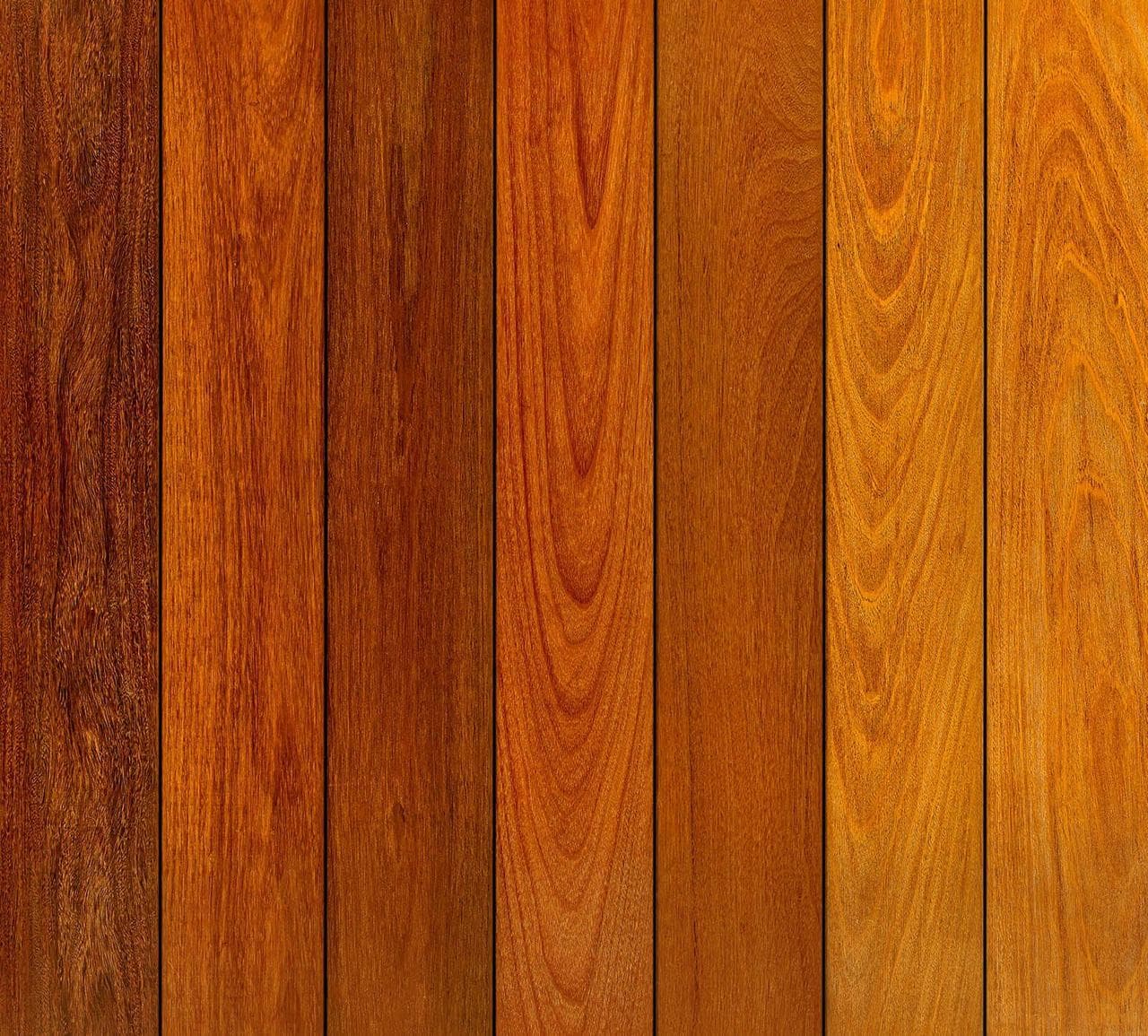
The aesthetic contribution of Ipe is also significant. Its bold grain and varied reddish-brown to olive-brown hues provide a luxurious, grounding element that can complement diverse architectural styles, from traditional to modern. This visual depth allows the decking to serve as a focal point, defining the 'room' outdoors. When planning a courtyard, the choice of decking material directly influences the overall atmosphere and perceived quality of the space.
With minimal movement post-installation, Ipe helps ensure a stable and reliable surface for outdoor furniture, planters, and foot traffic, making it suitable for a high-use outdoor room.
Understanding Ipe Profiles and Dimensions
Ipe decking is available in a variety of profiles and sizes, allowing for flexibility in design and installation. Common dimensions range from 1x2 inches up to 6x6 inches, with lengths typically available from 3 to 24 feet. For a courtyard outdoor room, the choice of board width can influence the visual scale of the space. Wider boards might make a smaller courtyard feel more expansive, while narrower boards can create a more intricate pattern.
When selecting Ipe for your project, it's important to consider whether you prefer square-edge boards for face fastening or grooved boards for hidden fastener systems. Each option has implications for installation appearance and technique. Square-edge boards, when face-fastened, offer a traditional look, while hidden fasteners can create a seamless, contemporary surface. Discuss these options with your installer to ensure the chosen profile aligns with your design vision and installation preferences.
Planning for Courtyard-Specific Conditions
Courtyards often present unique environmental conditions that require careful planning. Limited sunlight in certain areas can lead to increased moisture retention, while other sections might experience intense, direct sun. Ipe's natural oils help protect it from cracking or warping, making it suitable for both sun-exposed and shaded areas. However, proper ventilation beneath the deck is crucial in any setting to prevent moisture buildup, especially in enclosed courtyard spaces.
Drainage is another key consideration. Ensure that the deck design allows for adequate water runoff, preventing pooling on or under the deck. This might involve planning for a slight slope or integrating effective sub-surface drainage systems. While Ipe is resistant to mold and mildew, maintaining a dry environment below the deck will contribute to its longevity. Your project plan should account for these specific conditions to maximize the performance of your Ipe decking.
Maintenance Expectations for Ipe Decking
Ipe wood is often characterized as low maintenance, but understanding what this entails is important for long-term satisfaction. If left untreated, Ipe will naturally weather to a beautiful silvery-gray patina over time. Many homeowners appreciate this weathered look, which can blend harmoniously with natural stone or landscaping elements in a courtyard.
If you prefer to maintain Ipe's original reddish-brown to olive-brown color, a UV-blocking sealer should be applied periodically. This helps protect the wood from the sun's rays, which cause the graying effect. Regular cleaning to remove dirt, leaves, and other debris is also recommended to prevent staining and maintain the deck's appearance. The frequency of cleaning and sealing will depend on your local climate and the specific exposure of your courtyard.
Compared to some other wood species, Ipe requires less frequent maintenance, but occasional sealing and cleaning will help preserve its natural beauty and extend its life. Always use cleaning products compatible with Ipe to avoid damage.
Project Example: A 12x15 Foot Courtyard Outdoor Room
Consider a hypothetical 12-foot by 15-foot courtyard in Dover, DE, which is being transformed into an outdoor dining and lounge area.
To calculate the approximate material needed for a 12' x 15' area, which is 180 square feet: a 5/4 x 6 inch board covers about 0.46 square feet per linear foot (5.5 inches / 12 inches * 1 foot). For 180 square feet, you would need approximately 392 linear feet of decking. Considering typical waste factor for cuts and an efficient layout, a common practice is to add 10-15% for waste. For this project, let's assume a 15% waste factor, bringing the total to about 450 linear feet of Ipe boards.
Ipe boards are available in various lengths, typically from 3 to 24 feet. To minimize waste and optimize appearance, a mix of lengths would be ordered to accommodate the 12-foot and 15-foot dimensions, avoiding excessive butt joints. For instance, using mostly 12-foot and 16-foot boards would allow for full runs across the 12-foot width with minimal cutting, and efficient use for the 15-foot length. This hypothetical example provides a starting point; actual quantities will depend on the exact layout, board availability, and installer recommendations.
Before you order
- Determine the desired finished appearance: weathered silver-gray or original rich brown (requires UV-blocking sealer).
- Measure your courtyard accurately, noting any irregular shapes, existing structures, or elevation changes.
- Consider the specific environmental conditions of your courtyard: sun exposure, shade, and potential moisture traps.
- Plan for adequate ventilation beneath the deck and proper drainage to prevent water pooling.
- Decide on the board profile (square-edge or grooved) and fastening method (face-fastened or hidden fasteners).
- Research local building codes and obtain any necessary permits for deck construction in Dover, DE.
- Budget for not only the decking material but also fasteners, support structure, and professional installation if desired.
- Confirm the availability of Ipe profiles and lengths that suit your project dimensions.
- Plan for delivery logistics, including on-site storage and access for materials.
Confirm installation details, approved uses and warranty terms in the current instructions for the exact product and profile. Your installer should verify the substrate, structure and applicable project requirements.
This is a planning guide for projects in Dover, DE. Ask our team to confirm availability, delivery to your ZIP code and which branch can support your order.
Questions to help you decide
Does Ipe wood require maintenance?
Ipe wood is low maintenance compared to many other wood species. For those who appreciate a natural, silvery-gray patina, Ipe can be left untreated. If you prefer to maintain its original rich color, occasional application of a UV-blocking sealer and regular cleaning will help preserve its appearance and extend its life.
How long does Ipe wood last?
With proper installation and care, Ipe decking is known for its exceptional longevity. It is a durable hardwood that can withstand outdoor conditions for many years, making it a long-term investment for an outdoor room.
How does Ipe handle extreme weather?
Ipe is highly resistant to weather changes. Its natural oils protect it from cracking or warping, and it holds up well against various outdoor elements. This makes it a suitable choice for environments that experience seasonal variations, such as those in Dover, DE.
Ready to Transform Your Courtyard with Ipe Decking?
Request a material quote with your project dimensions, exact profile preferences, and ZIP code to confirm current availability and service options for your Dover, DE project.
Request a material quote →