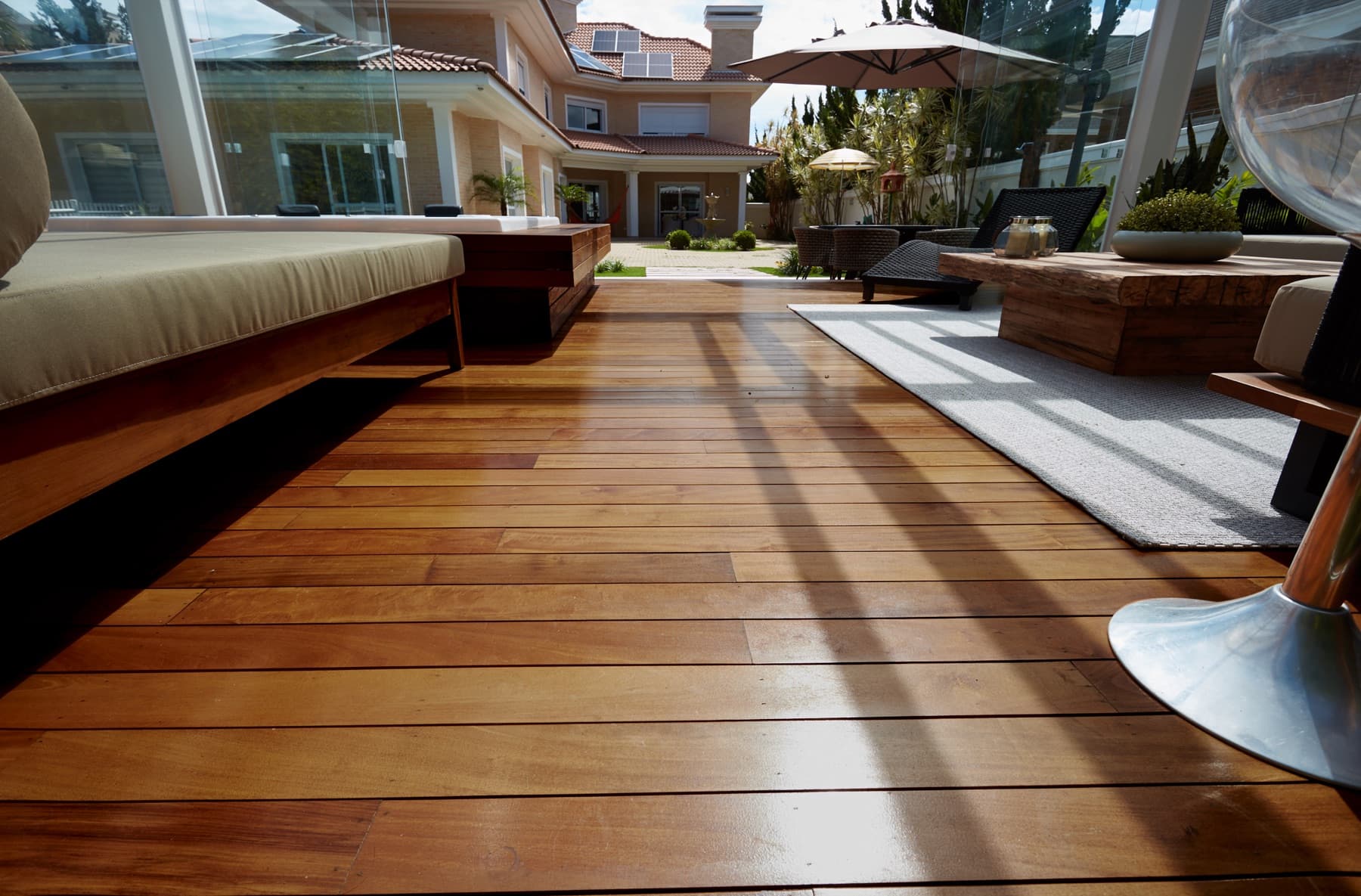
Evaluating Your Existing Deck Frame for Hardwood Decking
Before selecting any hardwood decking, the first crucial step in a renovation project is a comprehensive inspection of your existing deck frame. Hardwood decking species, particularly dense options like Ipe or Cumaru, are heavier than many common decking materials. This weight difference necessitates a robust and structurally sound substructure.
Begin by checking all joists, beams, and support posts for any signs of rot, insect damage, or excessive deflection. Pay close attention to connections and fasteners, ensuring they are secure and free from corrosion. The spacing of your existing joists is also vital; while many hardwood decking profiles are designed for standard joist spacing, confirming this measurement will help determine if additional blocking or sistering of joists is required to support the new, denser decking adequately. An undersized or compromised frame can lead to structural issues and premature failure of your new deck.
Understanding Hardwood Decking Options: Ipe vs. Cumaru
Lumber Plus offers a selection of Brazilian hardwood decking species, each with unique characteristics suitable for outdoor applications. For renovation projects in Salem, two popular choices are Ipe and Cumaru, both recognized for their density and natural resistance.
Ipe, also known as Brazilian walnut, is a dense and durable hardwood. It is known for its reddish-brown to olive-brown tones and exceptional resistance to weather changes, mold, and termites. Ipe's natural oils help protect it from cracking or warping, making it a robust choice for exterior use. It is available in various dimensions.
Cumaru is another very durable tropical hardwood. It shares Ipe's resistance to termites and weather changes, offering stiffness, strength, and hardness. Cumaru is often noted for a scent of cinnamon and vanilla when worked and has a lifespan suitable for demanding builds. It provides a slightly different aesthetic with its own range of warm tones.
Both Ipe and Cumaru can be left untreated to weather to a silvery-gray patina or maintained with a UV-blocking sealer to preserve their original color. The choice between them often comes down to specific aesthetic preferences and project budget.
Accurate Measurement and Material Takeoff
Once your existing frame is deemed suitable, precise measurements are critical for an accurate material takeoff. This step helps minimize waste and ensures you order the correct quantity of hardwood decking.
Measure the total square footage of your deck surface, carefully accounting for any irregular shapes, stairs, or cut-outs. Hardwood decking is typically supplied in individual boards of varying lengths. To calculate the number of boards needed, divide the total square footage by the coverage area of a single board, then add an allowance for cuts and potential waste. A common approach is to add 10-15% extra material to your calculated quantity, especially for complex layouts or if you plan to use longer boards to minimize butt joints. Remember that a dimension that does not align perfectly with board lengths will require a cut plan to maximize material use and minimize waste. Reusable offcuts should only be credited where genuinely applicable to other parts of your project.
For example, if you are renovating a rectangular deck section that is 10 feet wide by 12 feet long (120 square feet) and plan to use 1x6 (nominal) Ipe decking boards, which are approximately 5.5 inches wide, you would need to calculate how many linear feet are required. A 10-foot width would need approximately 22 boards (10 feet / (5.5 inches / 12 inches/foot) = 21.8 boards). For a 12-foot length, you would likely order 12-foot or 14-foot boards to avoid excessive seams. This example assumes a straight lay. Always confirm the exact dimensions and profiles of the hardwood decking you intend to purchase.
Considering Board Profiles and Fastening Methods
Hardwood decking is available in various profiles, including standard square-edge boards for face-fastening and grooved profiles designed for hidden fastening systems. Your choice of profile can impact both the aesthetic and the installation process.
Face-fastening involves screwing through the face of the board into the joists below. This method is secure and visible, often using specialized deck screws. Hidden fastening systems, on the other hand, create a cleaner, fastener-free surface by attaching clips or fasteners to the side or underside of the boards. When selecting a hidden fastener system, ensure it is compatible with the specific hardwood species and profile you choose, as the density of Ipe and Cumaru requires robust fastening solutions.
Discuss your preferred fastening method with your installer, as it can influence the required board spacing and overall installation time. Proper board spacing is essential for drainage and to allow for natural wood movement; always follow the manufacturer's specific guidelines for your chosen product.
Planning for Maintenance and Weathering in Salem's Climate
Salem, OR, experiences a range of weather conditions, including wet winters and warm, dry summers. Planning for the maintenance of your hardwood deck is crucial to its long-term appearance and performance.
Hardwood decking, such as Ipe and Cumaru, is inherently resistant to rot, insects, and mold. If left untreated, these hardwoods will naturally weather to a soft, silvery-gray patina over time. This weathering is a natural process and does not compromise the structural integrity of the wood. If you prefer to maintain the original rich brown tones, an annual application of a UV-blocking oil or sealer is recommended. This simple maintenance helps protect the wood from the elements and preserves its color.
Regardless of whether you choose to let your deck silver or maintain its original color, a yearly cleaning with a deck cleaner is advisable to remove dirt, pollen, and mildew buildup. Proper ventilation under the deck is also important to prevent moisture accumulation, which can contribute to wood degradation over time.
Before you order
- Inspect existing deck frame for rot, insect damage, and structural integrity.
- Verify joist spacing is adequate for the chosen hardwood decking (e.g., Ipe or Cumaru).
- Measure deck area accurately, including stairs and complex shapes.
- Calculate linear footage of decking needed, adding 10-15% for waste.
- Select hardwood species (Ipe, Cumaru, etc.) based on desired aesthetic and performance.
- Choose between face-fastening or compatible hidden fastening systems.
- Determine if you will allow the deck to silver or apply a UV-blocking sealer annually.
- Plan for annual cleaning and ensure adequate under-deck ventilation.
Confirm installation details, approved uses and warranty terms in the current instructions for the exact product and profile. Your installer should verify the substrate, structure and applicable project requirements.
This is a planning guide for projects in Salem, OR. Ask our team to confirm availability, delivery to your ZIP code and which branch can support your order.
Questions to help you decide
Can I use my existing deck frame for hardwood decking?
It depends on the condition and construction of your current frame. Hardwood decking is denser and heavier than many other materials, so the existing joists, beams, and supports must be structurally sound and adequately spaced to handle the increased load. A professional inspection is recommended to ensure safety and longevity.
What is the difference between Ipe and Cumaru hardwood decking?
Both Ipe and Cumaru are durable Brazilian hardwoods suitable for decking. Ipe is known for its exceptional density, reddish-brown to olive-brown colors, and superior resistance to wear. Cumaru is also very dense and durable, offering similar resistance to termites and weather, often with a slightly lighter color range. The choice often comes down to specific aesthetic preferences and budget considerations, as both provide excellent performance.
How do I maintain hardwood decking in the Salem climate?
Hardwood decking requires minimal maintenance. For a silvery-gray patina, simply clean the deck annually to remove debris. If you prefer to retain the original rich color, apply a UV-blocking oil or sealer once a year. Regular cleaning helps prevent mildew and dirt buildup, preserving the deck's appearance in Salem's varied weather.
Ready to Plan Your Hardwood Deck Renovation?
For your hardwood decking project in Salem, OR, request a material quote with your project dimensions, desired profile, and ZIP code. We can help you confirm current availability and service options for Ipe, Cumaru, and other hardwood species. Visit our website to get started.
Request a material quote →