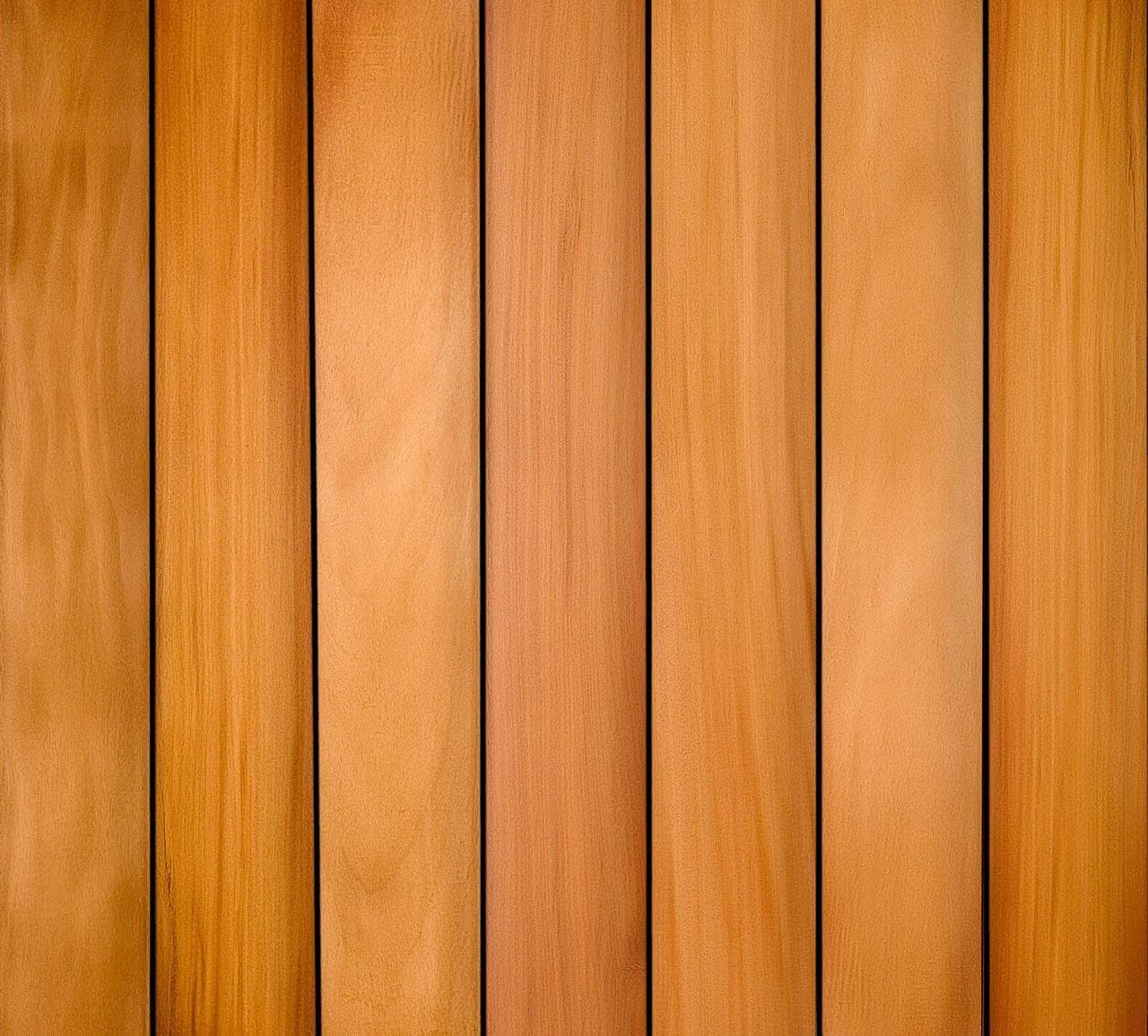
Understanding Garapa's Natural Durability
Garapa (Apuleia leiocarpa), often called Brazilian Ash, is a tropical hardwood recognized for its inherent strength and resistance. This natural durability extends to its resistance to rot, decay, and insects, which are important factors when considering exposure to winter moisture.
Unlike some other decking materials, Garapa does not require constant chemical treatments to resist mold and decay, making it a lower-maintenance option in this regard. Its natural properties contribute to its ability to withstand weather changes, which is beneficial for areas with fluctuating winter temperatures and moisture levels.
The wood's golden color is a distinctive aesthetic feature, which can be maintained with UV protective finishes or allowed to weather naturally to a silvery-gray patina. This aesthetic choice does not impact its structural performance in winter conditions.
Moisture Management and Drainage in Winter
Effective moisture management is paramount for any decking material, particularly in winter. While Garapa is resistant to rot and decay, standing water or prolonged saturation can still affect its long-term performance and appearance. Proper deck design must include adequate spacing between boards to allow for drainage and ventilation beneath the deck surface.
Ensure that the deck substructure allows water to shed away from the house foundation and that there are no areas where snowmelt or rain can pool. Sloping the deck surface slightly (typically 1/8 inch per foot) away from any adjacent structures can significantly improve drainage. Regularly clear gutters and downspouts to prevent overflow onto the deck during winter thaws or rain.
Consider the ground conditions beneath the deck. Good grading and, if necessary, a vapor barrier or gravel base can prevent moisture from rising and contributing to humidity under the deck, which is especially important in cold weather where freeze-thaw cycles can exacerbate moisture-related issues.
Snow and Ice Removal Best Practices
Accumulated snow and ice can place significant weight on a deck structure. While Garapa itself is a dense and strong material, the overall deck structure must be engineered to handle expected snow loads in your region. When removing snow, use a plastic shovel to avoid scratching the deck surface. Metal shovels can leave marks or gouges.
Shovel snow parallel to the deck boards to minimize friction and potential damage. Avoid chipping away at ice directly, as this can damage the wood. Instead, consider using a broom to clear lighter snow or allow ice to melt naturally when temperatures rise. If de-icing agents are necessary, choose products that are explicitly labeled as safe for wood decking. Many common rock salts can be corrosive to wood and fasteners, and their residues can be difficult to remove.
After snowmelt or ice removal, ensure that water can drain freely. Regularly inspect the deck during winter thaws for any pooling water and address it promptly to prevent prolonged moisture contact.
Impact of De-Icing Agents and Stains
The use of de-icing agents requires careful consideration with Garapa decking. While Garapa is naturally durable, harsh chemicals can still affect its finish and, over time, potentially impact the wood itself. Calcium chloride and magnesium chloride are generally considered less harmful than sodium chloride (rock salt) for wood and surrounding vegetation, but it is always best to verify product compatibility with your specific decking material and any applied finishes.
If you have applied a finish or stain to your Garapa deck, check the manufacturer's recommendations for de-icing agent compatibility. Some finishes may be more susceptible to chemical degradation. After using any de-icing product, it is advisable to rinse the deck thoroughly with plain water once the weather permits, removing any residual chemicals.
Stains or sealers can offer an additional layer of protection against moisture penetration, which can be beneficial in winter. However, these finishes also require periodic reapplication and should be chosen based on their suitability for outdoor hardwood and local climate conditions.
Worked Example: Calculating Snow Load and Drainage for a Garapa Deck
Consider a hypothetical Garapa deck measuring 12 feet by 16 feet. The deck's total area is 192 square feet (12 ft x 16 ft).
This is the total weight the deck structure must be designed to support from snow alone, in addition to its own dead load and any live loads (people, furniture). This figure is critical for sizing joists, beams, and footings.
For drainage, assume the deck is attached to a house along the 16-foot side. A recommended slope of 1/8 inch per foot over the 12-foot depth means the outer edge of the deck should be 1.5 inches lower than the house side (12 feet * 1/8 inch/foot = 1.5 inches). This subtle slope ensures that snowmelt and rainwater flow away from the structure, preventing pooling.
Before you order
- Verify local building codes for snow load requirements.
- Design a slight slope (1/8" per foot) for water runoff.
- Ensure the substructure allows for proper ventilation and drainage.
- Select a plastic shovel for snow removal.
- Identify wood-safe de-icing agents, if needed.
- Confirm compatibility of de-icing agents with any applied finishes.
- Plan for regular rinsing of the deck after de-icing agent use.
- Consider a compatible stain/sealer for added moisture protection.
- Inspect deck during winter thaws for pooling water.
Confirm installation details, approved uses and warranty terms in the current instructions for the exact product and profile. Your installer should verify the substrate, structure and applicable project requirements.
Questions to help you decide
Is Garapa decking suitable for cold climates with heavy snow?
Garapa is a very durable hardwood, naturally resistant to rot and decay, which makes it suitable for various climates. However, the overall deck structure must be engineered to handle local snow loads. Proper drainage, ventilation, and careful snow removal practices are essential for its performance in heavy snow conditions.
What kind of maintenance does Garapa require in winter?
Winter maintenance for Garapa primarily involves careful snow and ice removal using plastic shovels, ensuring proper drainage, and avoiding harsh de-icing chemicals. While Garapa resists rot and decay naturally, keeping the deck clear of prolonged standing water or ice helps preserve its appearance and integrity. Regular cleaning after winter can remove any accumulated debris or residues.
Can I use de-icing salts on my Garapa deck?
It is generally recommended to use de-icing agents sparingly and to choose products specifically labeled as safe for wood decking. Many common rock salts (sodium chloride) can be corrosive to wood and fasteners. Calcium chloride or magnesium chloride are often less damaging alternatives, but always verify compatibility with any applied finishes and rinse the deck thoroughly once temperatures allow to remove residues.
Ready to Plan Your Garapa Decking Project?
Request a material quote with your project dimensions, exact Garapa profile, and ZIP code to confirm current availability and service options. We can help you select the right materials for your winter-resilient deck.
Request a material quote →