Understanding Garapa Decking Materials
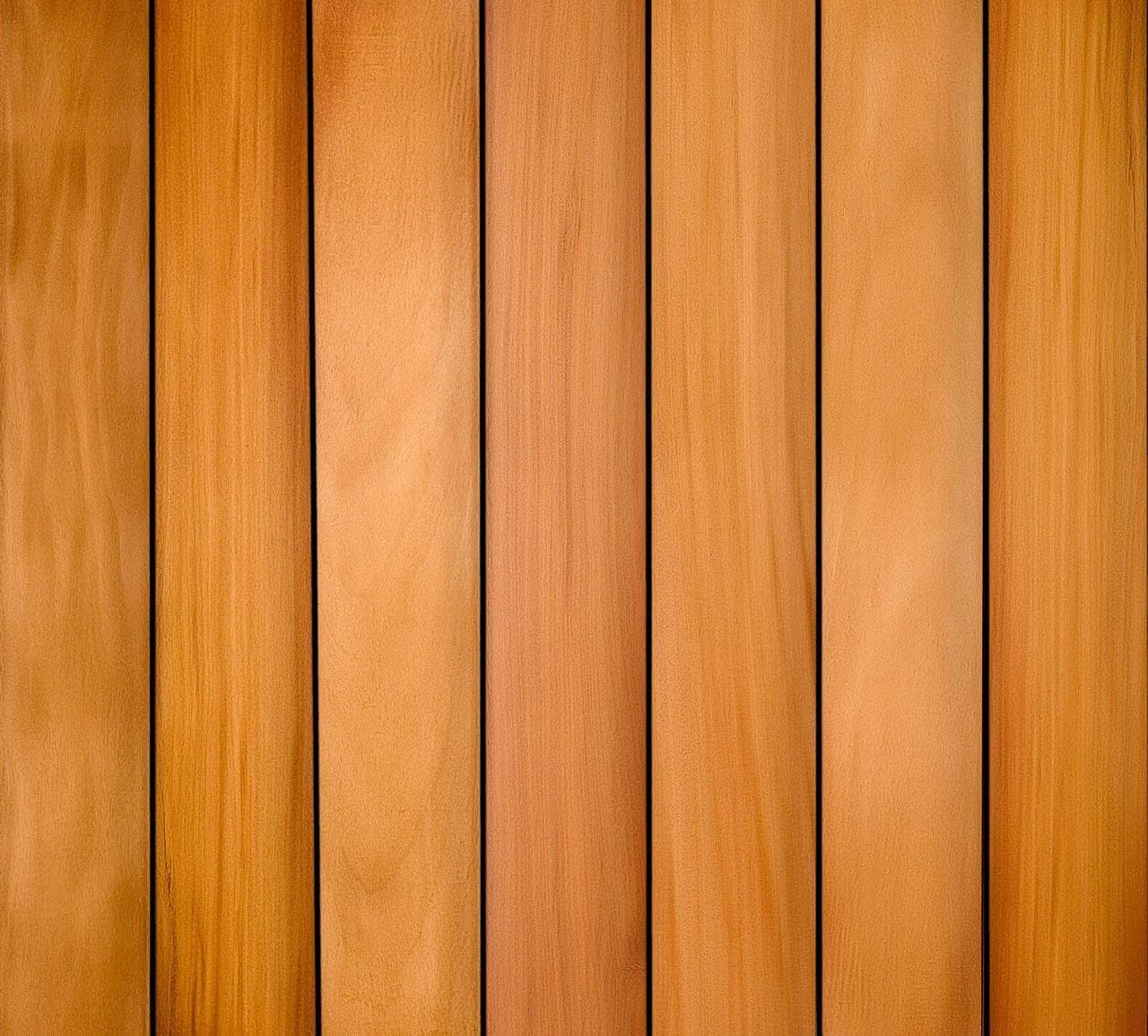
Garapa (Apuleia leiocarpa), also known as Brazilian Ash, is a durable hardwood originating from Brazil. It is characterized by its golden color, which can add a warm, modern aesthetic to any exterior. Garapa is naturally resistant to termites and weather changes, making it a suitable choice for outdoor applications without requiring constant chemical treatments. Its air dry density is 4.11 lbs/bf. (S1)
Lumber Plus offers Garapa decking in a 5/4"x6" profile, which measures 1" x 5.5" actual dimensions. Grooved options may be available for hidden fastening systems. Boards are typically available in lengths ranging from 3 to 24 feet and are kiln-dried (KD). These specifications are crucial for calculating material quantities and understanding how they impact your overall budget. (S1)
Material Takeoff: Decking Boards
The first step in budgeting is to accurately calculate the quantity of Garapa decking boards you'll need. This involves determining the total square footage of your deck and then converting that into linear footage of boards, accounting for waste and specific board lengths. Always add a waste factor, typically 10-15%, to cover cuts, mistakes, and potential board imperfections. For projects with complex angles or patterns, a higher waste factor might be necessary.
For example, let's consider a rectangular deck measuring 12 feet by 16 feet. The total area is 192 square feet. If you plan to use 1" x 5.5" Garapa boards, each board covers 5.5 inches (or 0.458 feet) in width. To cover a 12-foot width, you'll need approximately 12 feet / 0.458 feet/board = 26.2 boards laid parallel. For a 16-foot length, this means 26.2 boards * 16 feet/board = 419.2 linear feet. Adding a 10% waste factor: 419.2 * 1.10 = 461.12 linear feet. You would then round up to the nearest full board lengths available to meet this linear footage requirement, considering the actual lengths supplied (e.g., 10-foot, 12-foot, 16-foot boards).
It's important to consider how board lengths align with your deck dimensions to minimize waste. For a 16-foot long deck, 16-foot boards will result in less waste than cutting down 20-foot boards, for instance. A detailed cut plan can help optimize board usage and reduce costs. Confirming specific board lengths available from Lumber Plus is key to an accurate estimate.
Fasteners and Support Structure
Beyond the decking boards themselves, you will need fasteners. Garapa is resistant to nailing and screwing, so using appropriate, high-quality fasteners designed for hardwood is crucial. Options include face-fastening with screws or using hidden fastening systems, which typically involve clips that secure the boards from the sides. The choice of fastener impacts both the aesthetic and the installation time, and thus the labor cost.
The deck's substructure (joists, beams, posts) is another significant cost. While not always made of Garapa, this framework must be robust enough to support the decking and any loads placed upon it. Material choices for the substructure, such as pressure-treated lumber or steel, will affect the overall budget. Always consult local building codes for required spacing and dimensions of structural components.
Finishing and Maintenance Supplies
While Garapa is naturally durable and resistant to rot, decay, and insects, applying a finish can help maintain its golden color and provide additional protection. Without a finish, Garapa will naturally weather to a silver-gray patina over time. If you prefer to preserve the golden hue, a UV-inhibiting oil or sealer will be necessary. These products need to be reapplied periodically, so factor in the ongoing cost of maintenance supplies.
Consider also the tools and equipment needed for installation and future maintenance. This might include power saws, drills, sanders, brushes, rollers, and safety gear. While some tools may be rented, others might be a one-time purchase if you plan to DIY the installation.
Labor and Installation Costs
Unless you plan to install the deck yourself, labor costs will be a substantial part of your budget. Installation costs vary widely based on your location, the complexity of the deck design, and the contractor's experience. Obtain multiple quotes from qualified contractors, ensuring each quote details the scope of work, materials included, and payment schedule. Be specific about the type of fasteners you prefer (e.g., face-fastened vs. hidden fasteners) as this can affect labor time.
Ask contractors how they handle waste disposal, site preparation, and cleanup, as these can sometimes be hidden costs. A good contractor will provide a transparent breakdown of labor hours and material procurement. Ensure that the contractor is familiar with installing dense hardwoods like Garapa, as it requires specific tools and techniques.
Contingency and Project Management
Always allocate a contingency fund, typically 10-15% of the total project cost, to cover unforeseen expenses. These can include unexpected material needs, minor design changes, or unforeseen site conditions. Having a contingency helps prevent budget overruns and reduces stress during the project.
Project management, whether by you or a hired professional, involves coordinating material deliveries, scheduling contractors, and overseeing the quality of work. While not a direct material cost, efficient project management can save money by preventing delays and rework. Keep detailed records of all expenses and communications throughout the project.
Before you order
- Determine exact deck dimensions (length, width, height).
- Choose Garapa board profile (e.g., 5/4"x6" grooved or non-grooved).
- Calculate total square footage and linear footage of decking boards, adding 10-15% waste.
- Select fastening method (face-fastening vs. hidden fasteners) and estimate quantities.
- Plan substructure materials (e.g., pressure-treated lumber, steel) and obtain quantities.
- Decide on desired finish (e.g., natural silvering vs. maintained golden color) and estimate finish material costs.
- Account for any railing, stairs, or other accessory materials.
- Obtain multiple quotes for professional installation labor, if applicable.
- Allocate a 10-15% contingency fund for unexpected costs.
- Consider costs for site preparation, waste removal, and potential permits.
Confirm installation details, approved uses and warranty terms in the current instructions for the exact product and profile. Your installer should verify the substrate, structure and applicable project requirements.
Questions to help you decide
What is the typical lifespan of Garapa decking?
This durability makes it a long-term investment for outdoor spaces. (S1)
Does Garapa decking require special tools for installation?
Yes, due to its density and interlocking grain, Garapa decking benefits from sharp tools. It is resistant to nailing and screwing, which means pre-drilling pilot holes is often recommended when face-fastening. Using high-quality, durable fasteners designed for hardwoods is also essential. (S1)
Will Garapa decking change color over time?
Garapa decking has a golden color when new. If left untreated, it will naturally weather to a silver-gray patina over time, similar to other hardwoods. To maintain its original golden hue, regular application of a UV-inhibiting oil or sealer is recommended. (S1)
Ready to Plan Your Garapa Decking Project?
Request a material quote with your project dimensions, desired Garapa profile, and ZIP code. We can confirm current availability and service options to help you finalize your budget.
Request a material quote →