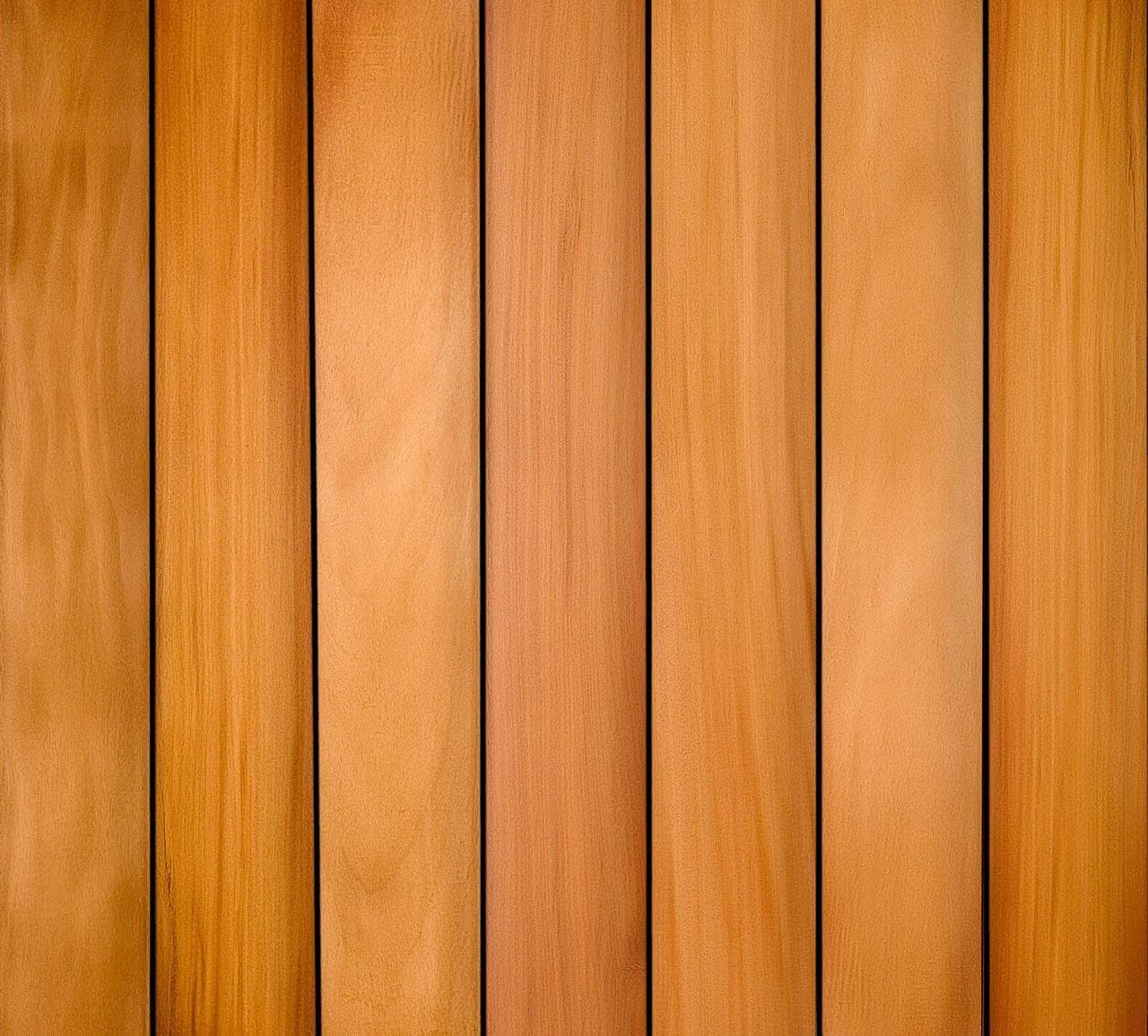
Understanding Garapa Decking Characteristics
Before evaluating samples, it's helpful to understand the inherent characteristics of Garapa. Garapa, also known as Brazilian Ash, is a tropical hardwood originating from Brazil. It boasts an air dry density of 4.11 lbs/bf and is categorized as very durable. Garapa is naturally resistant to termites and changes in weather, reducing the need for constant chemical treatments. Its golden color is a defining feature, which can vary slightly depending on the specific timber and how it ages. This wood also offers scratch and slip resistance with minimal splintering, making it a practical choice for decking surfaces.
While Garapa is durable, its density and interlocking grain mean that sharp tools are necessary for working with it. It resists nailing and screwing, but glues easily, which is relevant for certain applications beyond decking. For decking, proper fastening methods are crucial for a lasting installation.
The Importance of Physical Samples
Digital representations of Garapa decking can be misleading. Screen settings, lighting conditions during photography, and color calibration all influence how the wood appears online. A physical sample allows you to experience the true color, grain pattern, and texture of the wood firsthand. This is especially critical for Garapa's golden tones, which can range from light honey to a deeper amber depending on the cut and finish. Only by holding a sample can you fully appreciate its natural variations and how it interacts with light.
Samples also provide a tactile experience. You can feel the smoothness or subtle texture of the board, which is important for a walking surface. This hands-on evaluation helps confirm if the material meets your expectations for comfort and safety.
Evaluating Samples in Different Lighting
Lighting is arguably the most critical factor when evaluating decking samples. The same Garapa sample can appear dramatically different under direct sunlight, overcast skies, or evening ambient light. Take your samples outdoors to the exact location where your deck will be built. Observe them at various times of the day: morning, midday, and late afternoon.
Under bright, direct sunlight, Garapa's golden tones will likely appear lighter and more vibrant. In shaded areas, the color might deepen and reveal more of its natural grain. During twilight, the wood may take on a warmer, softer glow. Pay attention to how these changes affect your perception of the color and how well it complements your home's exterior and surrounding landscape. For example, if your deck will be primarily sun-exposed, prioritize how the sample looks in direct sun. If it's a covered porch, evaluate it more in shaded conditions.
Considering Adjacent Finishes and Materials
Your Garapa deck will not exist in isolation. It will be adjacent to your home's siding, trim, landscaping elements, and potentially other hardscaping like pavers or stone. Bring your Garapa samples next to these existing materials. Does the golden hue of the Garapa clash or harmonize with your home's paint color or brickwork? Does it complement the color of your window frames or outdoor furniture?
For instance, if your home has cool-toned gray siding, a warm golden Garapa might create a striking contrast. If your home is a warmer beige or cream, Garapa could blend in for a more cohesive look. Consider the overall palette you are trying to achieve for your outdoor living space. This step helps prevent surprises after installation and ensures a cohesive design.
You might also consider how Garapa pairs with other Lumber Plus products like Ipe decking for contrasting borders, or composite and PVC decking options if you're exploring alternatives for other areas of your project. For example, a picture-frame border of a darker wood could highlight Garapa's golden center.
Worked Example: Selecting Garapa for a Patio Expansion
Consider a homeowner, Sarah, who is expanding her existing concrete patio with a new 10-foot by 12-foot Garapa deck. Her house has light tan stucco siding and dark brown trim. She has three Garapa samples, each with a slightly different grain pattern and natural color variation.
Sarah first places the samples on the concrete patio during midday. In direct sun, all three samples show Garapa's characteristic golden color. She notes one sample appears slightly richer in tone than the others. She then moves the samples next to her stucco siding and trim. The richer sample creates a pleasing contrast with the light stucco and complements the dark brown trim, tying into the existing exterior colors.
Later that evening, as the sun sets, Sarah observes the samples again. The richer sample still holds its warmth, while the lighter samples appear a bit washed out under the softer light. She also considers a sample of a complementary outdoor furniture fabric. The richer Garapa sample works best with the fabric's pattern and color. By comparing samples in various conditions and against existing elements, Sarah confidently chooses the Garapa boards with the richer golden tone, knowing it will enhance her patio expansion.
For her 10-foot by 12-foot deck, she will need to calculate the actual number of 5/4"x6" (1" x 5.5") boards, accounting for any waste and desired length options (available in 3-24 ft). For a simple rectangular deck, she would calculate the total square footage (120 sq ft) and then factor in the board dimensions. Since each board is 5.5 inches wide, approximately 2.18 boards would cover a 1-foot width. For a 10-foot width, she'd need about 22 boards (10 feet * 12 inches/foot / 5.5 inches/board = 21.8 boards). If she chooses 12-foot long boards, she would need 22 boards * 12 linear feet = 264 linear feet. However, due to cuts and potential waste, it's always advisable to order 10-15% extra material. The total purchase quantity would be 22 boards of 12-foot length, plus a few extra for cuts and waste.
Before you order
- Obtain multiple physical Garapa samples.
- Evaluate samples in direct sunlight at different times of day.
- Evaluate samples in shaded areas relevant to your project.
- Place samples next to your home's siding, trim, and other fixed elements.
- Consider how samples look with existing or planned outdoor furniture and decor.
- Feel the texture and assess the board profile of each sample.
- Note any natural variations in color and grain across samples.
- Discuss your observations with your contractor or designer.
- Confirm the exact profile (e.g., 5/4"x6" or 1" x 5.5") and length availability.
- Review product information for maintenance requirements and installation guidelines.
Confirm installation details, approved uses and warranty terms in the current instructions for the exact product and profile. Your installer should verify the substrate, structure and applicable project requirements.
Questions to help you decide
How do Garapa samples show changes in color over time?
Garapa, like many hardwoods, will naturally weather and lighten to a silvery-gray patina if left untreated. While samples won't show this change immediately, you can ask to see images of aged Garapa installations or inquire about how different finishes might preserve or alter its golden color. Some suppliers may offer samples with a pre-applied finish to demonstrate the initial appearance and how it might be maintained.
Can I use small Garapa offcuts from samples for other projects?
Small Garapa offcuts from samples are generally too small for structural or significant decorative use. However, they can be useful for testing different finishes, sealers, or cleaning products before applying them to your main decking project. This helps ensure compatibility and desired aesthetic outcomes without affecting your primary material.
What should I look for in a Garapa sample beyond color and texture?
Beyond color and texture, examine the grain pattern for consistency and any natural imperfections that might be characteristic of hardwood. Check the edges for clean milling and ensure the sample is representative of the full-sized boards you intend to purchase. Also, consider the thickness and width to ensure it matches your project specifications and desired aesthetic.
Ready to Plan Your Garapa Decking Project?
Request a material quote today. Provide your project dimensions, desired Garapa profile, and ZIP code to confirm current availability and service options. Our team can help you select the right quantities for your project.
Request a material quote →