Understanding Garapa's Core Advantages for Vacation Homes
Garapa is a very durable hardwood with an air dry density of 4.11 lbs/bf, originating from Brazil. Its natural properties make it resistant to termites and weather changes. This inherent durability means the wood does not require constant chemical treatments to withstand mold and decay, which is a significant advantage for a property that might sit vacant for weeks or months at a time.
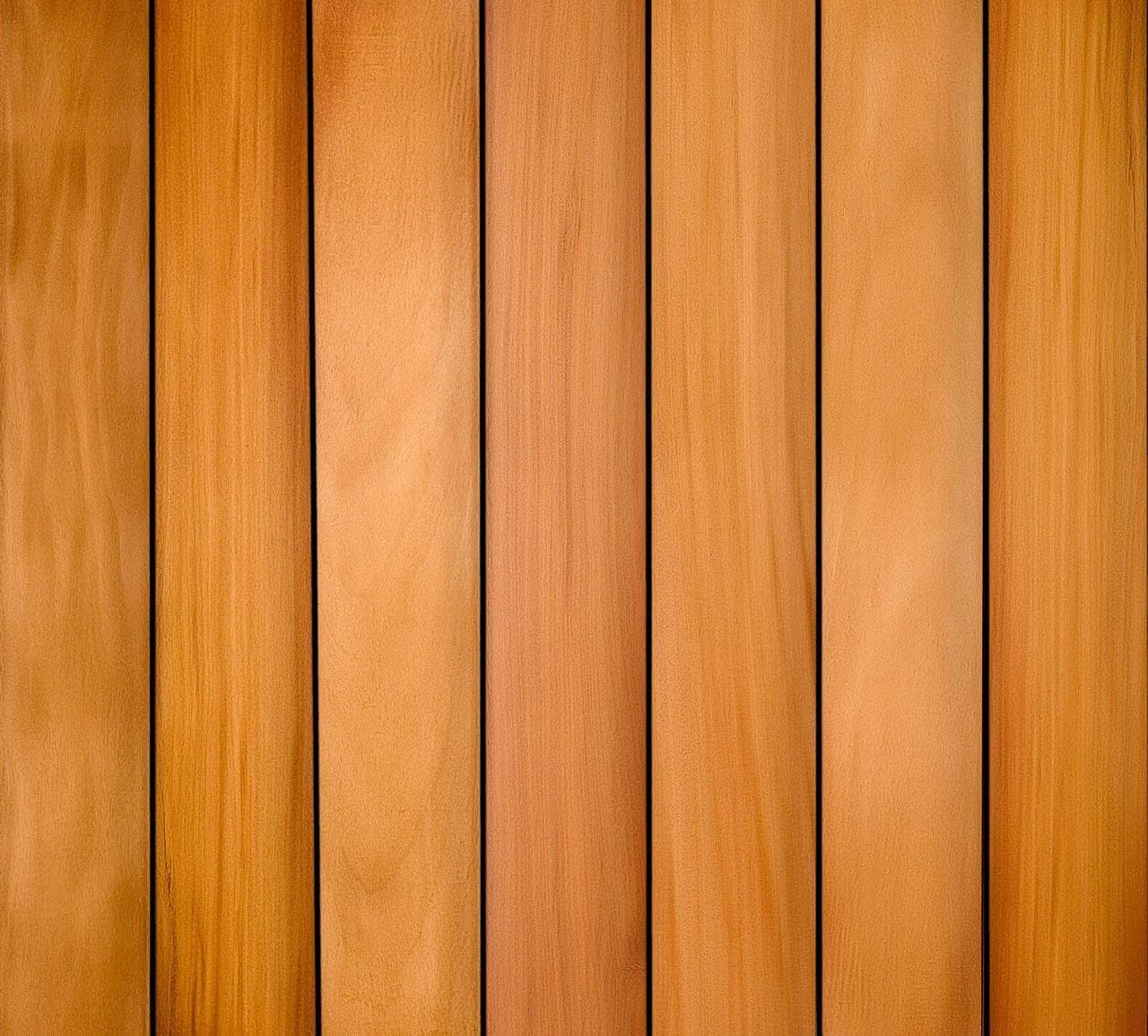
The wood's golden color is another characteristic that can enhance the exterior of any vacation home, providing a warm and inviting aesthetic.
Garapa is also noted for being scratch and slip resistant, with minimal splintering. These features contribute to a safer and more comfortable outdoor environment, especially important if the vacation home is used by families with children or guests who may appreciate a stable walking surface.
Planning for Intermittent Occupancy and Weather Exposure
Vacation homes often experience periods of vacancy, exposing the deck to varying weather conditions without immediate attention. Garapa's natural resistance to weather changes is critical here. It can endure cycles of sun, rain, and humidity without rapidly deteriorating, unlike some other decking materials that might require more consistent sealing or treatment.
Consider the local climate of your vacation home. For areas with significant sun exposure, Garapa's ability to resist weather changes can help maintain its structural integrity. For properties in regions with winter conditions, the wood's durability is an asset, though specific winter care, such as clearing snow, may still be advisable to prevent prolonged moisture accumulation.
The minimal maintenance requirements of Garapa mean you can arrive at your vacation home and spend less time on deck upkeep and more time enjoying your stay. This aligns perfectly with the goal of a vacation property: relaxation, not chores.
Maintenance Considerations for Infrequent Visits
While Garapa is naturally resistant to rot, decay, and insects, a minimal maintenance routine is still beneficial to preserve its appearance and extend its life. The key is to establish a schedule that aligns with your visit frequency.
For vacation homes, a practical approach involves cleaning the deck during each visit, or at least once or twice a year, depending on environmental factors like tree cover or foot traffic. This typically involves sweeping away debris and a light wash with water and a suitable cleaner. This prevents the buildup of dirt, leaves, and other organic matter that could lead to staining or encourage mold growth over time.
Garapa's golden color will naturally silver over time if left untreated. If you prefer to maintain the original golden hue, periodic application of a UV-inhibiting oil or sealer is necessary. This can be scheduled during one of your visits or handled by a local property manager. The good news is that Garapa does not require constant chemical treatments to resist decay, simplifying the care regimen significantly.
Worked Example: Decking a 10x15 Foot Vacation Home Patio
Let's consider a hypothetical vacation home patio measuring 10 feet by 15 feet, requiring new Garapa decking. The available Garapa decking profile is 5/4"x6" (actual 1" x 5.5"), in lengths ranging from 3 to 24 feet. For this example, we will assume an installer will use 12-foot and 10-foot boards to minimize waste.
The total area is 10 ft * 15 ft = 150 square feet. Each 5/4"x6" board (1" x 5.5") covers approximately 0.458 square feet per linear foot (5.5 inches / 12 inches per foot). So, a 12-foot board covers 12 * 0.458 = 5.496 square feet, and a 10-foot board covers 10 * 0.458 = 4.58 square feet.
To cover the 10-foot width, you would need 10 feet / (5.5 inches / 12 inches per foot) = 10 / 0.458 = approximately 21.8 boards. Round up to 22 boards across the 10-foot width. For the 15-foot length, if using 12-foot boards, you would need 22 boards * (15 feet / 12 feet per board) = 22 * 1.25 = 27.5 boards. If using 10-foot boards for the 15-foot length, you would need 22 boards * (15 feet / 10 feet per board) = 33 boards. However, this simplified calculation does not account for cutting and specific layout. A more practical approach for a 10x15 area involves running boards along the 15-foot length.
You would need 15 feet / (5.5 inches / 12 inches per foot) = 32.7 boards. Round up to 33 boards. If you use 10-foot length boards, you would need 33 boards * 10 feet/board = 330 linear feet. If you use 12-foot boards and cut them to 10 feet, you would have an offcut of 2 feet per board. You would still need 33 boards. Given typical waste factors (10-15%), you might consider ordering around 360-380 linear feet to account for cuts, imperfections, and future repairs. Always consult with your installer for an exact takeoff that considers board lengths and specific layout plans, including spacing between boards.
Coordinating with Property Management or Local Services
If you use a property manager for your vacation home, integrating deck care into their responsibilities can be highly effective. Provide clear instructions regarding Garapa's maintenance needs, emphasizing its natural durability and the simplicity of its care routine.
Consider establishing a schedule for annual or semi-annual cleaning and, if desired, re-oiling. This ensures the deck receives attention even when you are not present. For any repairs or more intensive maintenance, having a local contact or contractor familiar with hardwood decking can be invaluable, especially for a property that is not your primary residence.
Comparing Garapa with Other Decking Options
When considering decking for a vacation home, Garapa offers a balance of natural beauty, durability, and a relatively low-maintenance profile compared to some alternatives. Composite decking can offer very low maintenance, but may lack the natural warmth and unique grain patterns of real wood. Ipe, another tropical hardwood, shares Garapa's durability but often comes at a higher price point.
Softwoods like pressure-treated pine may be less expensive initially, but typically require more frequent sealing and can be more susceptible to rot and insect damage, demanding more hands-on care over time. PVC decking offers high durability and minimal maintenance but is an entirely different aesthetic.
Garapa's "golden tone, honest price, tropical backbone" tagline encapsulates its appeal: it provides the benefits of a durable tropical hardwood without the premium cost of some other exotic species, making it a great value for a vacation home where budget and long-term performance are key considerations.
Before you order
- Assess the climate and environmental factors of your vacation home location.
- Determine your desired aesthetic: natural silvering or maintained golden hue?
- Plan a realistic maintenance schedule based on your visit frequency or property management capabilities.
- Calculate the square footage of your deck area, adding a waste factor for cuts.
- Consider the available Garapa board profiles and lengths for efficient ordering.
- Factor in the long-term value of Garapa's durability and natural resistance.
- If using a property manager, include deck care instructions in their responsibilities.
- Explore complementary products like proper fasteners and cleaning agents.
Confirm installation details, approved uses and warranty terms in the current instructions for the exact product and profile. Your installer should verify the substrate, structure and applicable project requirements.
Questions to help you decide
How often does Garapa decking need maintenance at a vacation home?
Garapa is naturally resistant to rot, decay, and insects, so it doesn't require constant chemical treatments. For a vacation home, sweeping away debris and a light wash once or twice a year, or during each visit, is generally sufficient to maintain its appearance. If you wish to preserve its golden color, periodic application of a UV-inhibiting oil or sealer will be necessary.
Will Garapa decking withstand harsh weather conditions at my vacation home?
Yes, Garapa is known for its natural resistance to weather changes, making it a suitable choice for vacation homes in various climates. Its durability helps it endure cycles of sun, rain, and humidity without rapid deterioration. However, specific care actions like clearing snow in winter climates are still recommended.
Does Garapa decking for a vacation home need special installation considerations?
Garapa is a dense hardwood. While it's considered easy to work with for a hardwood, its density and interlocking grain mean sharp tools are recommended. It is resistant to nailing and screwing, so pre-drilling is typically necessary. Proper ventilation beneath the deck is also important, as with any decking material, to ensure longevity.
Ready to Plan Your Garapa Vacation Home Deck?
Request a material quote with your project dimensions, desired Garapa profile, and ZIP code to confirm current availability and service options. Our team can help you select the right materials for your durable, low-maintenance vacation home deck.
Request a material quote →