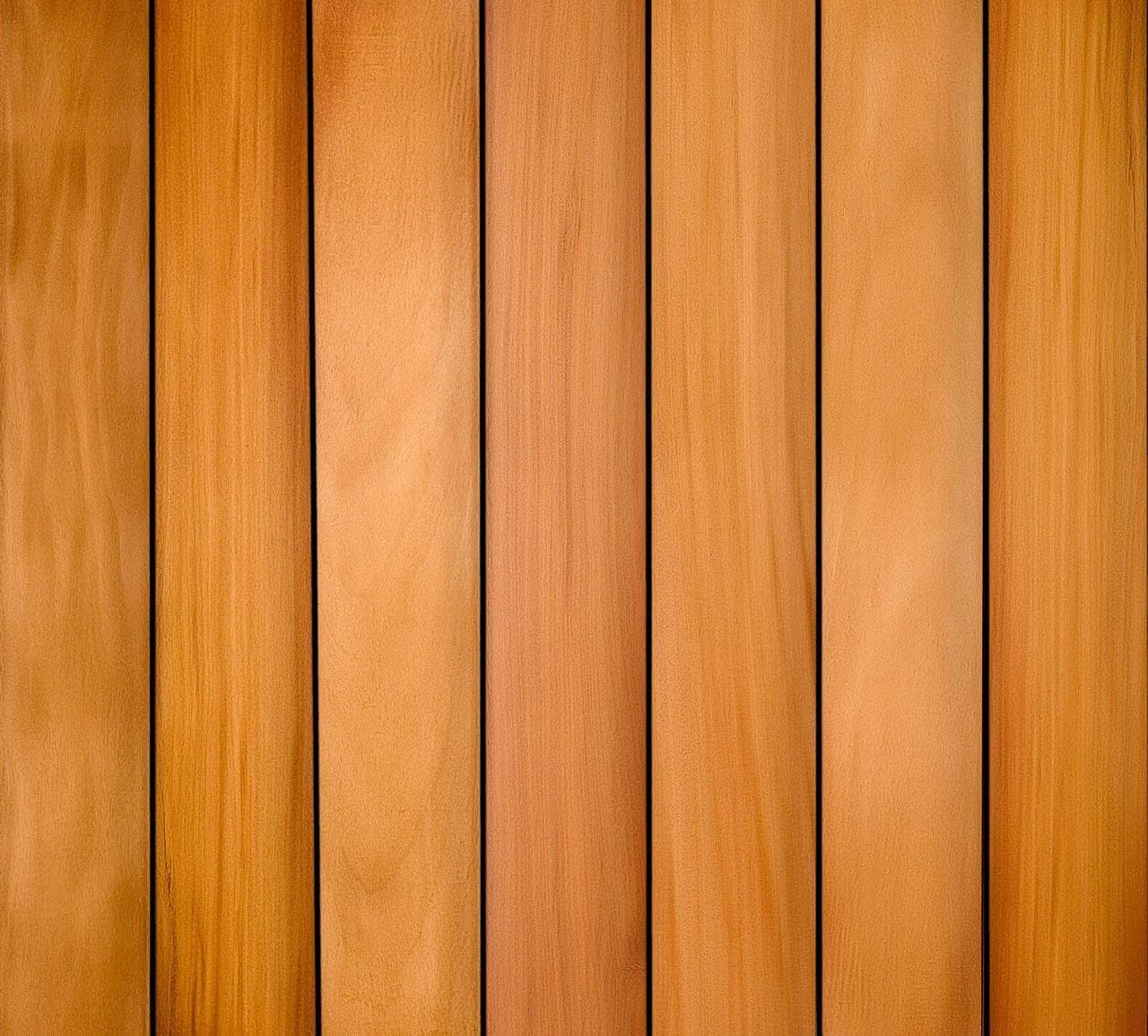
Understanding Garapa's Characteristics for Terrace Use
Garapa hardwood is characterized by its appealing golden color, which can add warmth and a contemporary touch to any terrace. This natural hue has made it popular in modern architecture. Beyond its appearance, Garapa is noted for being very durable and resistant to termites and weather changes, which are important factors for outdoor applications in a climate like San Diego's.
It is also described as scratch and slip resistant, with minimal splintering. These attributes suggest that Garapa can be a practical choice for a terrace surface where foot traffic and exposure to elements are common considerations. It also carries a great fire rating, which can be an important factor in some building contexts.
While Garapa is resistant to nailing and screwing due to its density, it glues easily. This characteristic is relevant for installers and can influence the choice of fastening systems for your decking project. Understanding these inherent qualities helps in planning the installation and long-term care of your terrace.
Designing Your San Diego Terrace with Garapa
A terrace design in San Diego could range from an intimate urban balcony to a spacious rooftop deck. When incorporating Garapa, consider how its golden tone will complement surrounding architecture and landscaping. Its consistent color can provide a cohesive base for various outdoor furniture and decor styles, from minimalist to more lush, Mediterranean-inspired themes.
Lengths typically range from 3 to 24 feet. These dimensions offer flexibility for designing different terrace layouts, whether you prefer a linear pattern, a diagonal arrangement, or a picture-frame border. The choice of board width and length can impact the visual flow and the number of seams on your terrace.
For terraces, especially those exposed to significant sun, proper ventilation beneath the deck boards is essential to manage moisture and temperature fluctuations. This helps ensure the longevity of the decking material. Consulting with a contractor or installer familiar with hardwood decking and local building practices is recommended to ensure appropriate design and installation for your specific site conditions.
Worked Example: A 10'x12' Terrace Layout
Let's consider a hypothetical 10-foot by 12-foot terrace project in San Diego. For this example, we will use 1" x 5.5" (actual dimension for 5/4"x6" nominal) Garapa decking boards. Assuming a standard linear installation running parallel to the 12-foot dimension, each board will be 12 feet long. The 10-foot width will determine the number of boards needed.
To calculate the number of boards, divide the total width by the board width. 10 feet (120 inches) / 5.5 inches per board = 21.81 boards. Since you cannot purchase partial boards, you would need 22 boards, each 12 feet long. This calculation does not account for spacing between boards, which is crucial for proper drainage and wood movement, or for any waste from cuts. Always consult product specifications for recommended spacing.
For a more precise estimate that includes cutting waste and potential variations in board lengths, it is advisable to add a waste factor, typically 10-15%, to your initial material estimate. For this example, 22 boards * 1.15 (15% waste) = 25.3 boards, rounded up to 26 boards. This ensures you have enough material for cuts, potential mistakes, and future repairs. This example assumes a simple layout; more complex designs will require more detailed planning and potentially higher waste factors.
Maintenance and Longevity of Garapa Decking
Garapa is known for its natural resistance to rot, decay, and insects, which means it doesn't require constant chemical treatments. This can simplify long-term maintenance compared to some other decking materials. Over time, like all natural hardwoods, Garapa will weather and can develop a silver-gray patina if left untreated. If you prefer to maintain its golden color, periodic application of a UV-inhibiting oil finish is typically recommended.
Regular cleaning to remove dirt, leaves, and other debris is beneficial for any outdoor decking. For Garapa, a simple sweep and occasional washing with water and a mild cleaner can help keep the surface clean. Promptly addressing spills or stains can also help preserve its appearance. Always ensure any cleaning products are compatible with hardwood decking to avoid damage.
Considering San Diego's sunny climate, the decision to let Garapa weather naturally or to maintain its original color is an aesthetic one. Both approaches highlight the wood's inherent beauty and durability.
Complementary Materials for Your Terrace
When planning your Garapa terrace, consider how it will integrate with other elements of your outdoor space. For structural components, framing materials like pressure-treated lumber or steel can provide a robust foundation. For railings, options range from clear glass panels that maintain views to metal or cable railing systems that offer a modern aesthetic. These choices can enhance the overall design and functionality of your terrace.
Lighting is another key consideration. Integrated deck lighting or strategically placed landscape lights can extend the usability of your terrace into the evening hours and highlight the golden tones of the Garapa. Plan for electrical conduits during the initial construction phase to avoid later complications. For shade, pergolas or retractable awnings can provide relief from the San Diego sun, making your terrace more comfortable during peak daylight hours.
Finally, selecting outdoor furniture and planters that complement Garapa's natural color and texture can complete the look. Materials like powder-coated aluminum, woven synthetics, or even other natural woods can pair well, creating a harmonious and inviting outdoor environment. Ensure planters have proper drainage to prevent water accumulation on the deck surface.
Before you order
- Confirm desired Garapa board profile (e.g., 5/4"x6" nominal) and any grooved options.
- Measure your terrace dimensions accurately, accounting for any irregular shapes or obstacles.
- Determine the preferred board layout (linear, diagonal, picture-frame) and its impact on material quantity.
- Calculate the total square footage and estimate the number of boards needed, including a waste factor (e.g., 10-15%).
- Consider the fastening method (hidden fasteners or face-fastening) and ensure compatibility with Garapa.
- Plan for proper ventilation and drainage beneath the deck boards, especially in sunny conditions.
- Decide on the desired finish: natural weathering to a silver-gray patina or maintaining the golden tone with oil.
- Identify complementary materials for railings, lighting, shade structures, and furniture.
- Consult with a local contractor for installation guidance and local building code compliance.
Confirm installation details, approved uses and warranty terms in the current instructions for the exact product and profile. Your installer should verify the substrate, structure and applicable project requirements.
This is a planning guide for projects in San Diego, CA. Ask our team to confirm availability, delivery to your ZIP code and which branch can support your order.
Questions to help you decide
What color is Garapa decking and does it change?
Garapa decking has a natural golden color. If left untreated and exposed to the elements, it will gradually weather to a silver-gray patina over time, similar to many other hardwoods. To maintain its original golden hue, periodic application of a UV-inhibiting oil finish is typically recommended.
Is Garapa decking suitable for sunny San Diego terraces?
Yes, Garapa is described as resistant to weather changes and has a long lifespan, making it suitable for outdoor applications, including sun-exposed terraces. Its natural durability helps it stand up to outdoor conditions. Proper installation with adequate ventilation is crucial for performance in any climate.
How do I calculate the amount of Garapa decking I need for my terrace?
Start by measuring the total area of your terrace. Then, consider the specific board dimensions (e.g., 1" x 5.5" actual for 5/4"x6" nominal) and your desired layout. Divide the total area by the area of a single board to get an initial count, then add a waste factor (typically 10-15%) to account for cuts, trimming, and potential future repairs. For complex layouts, a detailed cut plan is recommended.
Ready to Plan Your Garapa Terrace?
Request a material quote with your project dimensions, desired Garapa profile, and ZIP code to confirm current availability and service options for your San Diego terrace project.
Request a material quote →