Understanding Garapa Hardwood for Terrace Applications
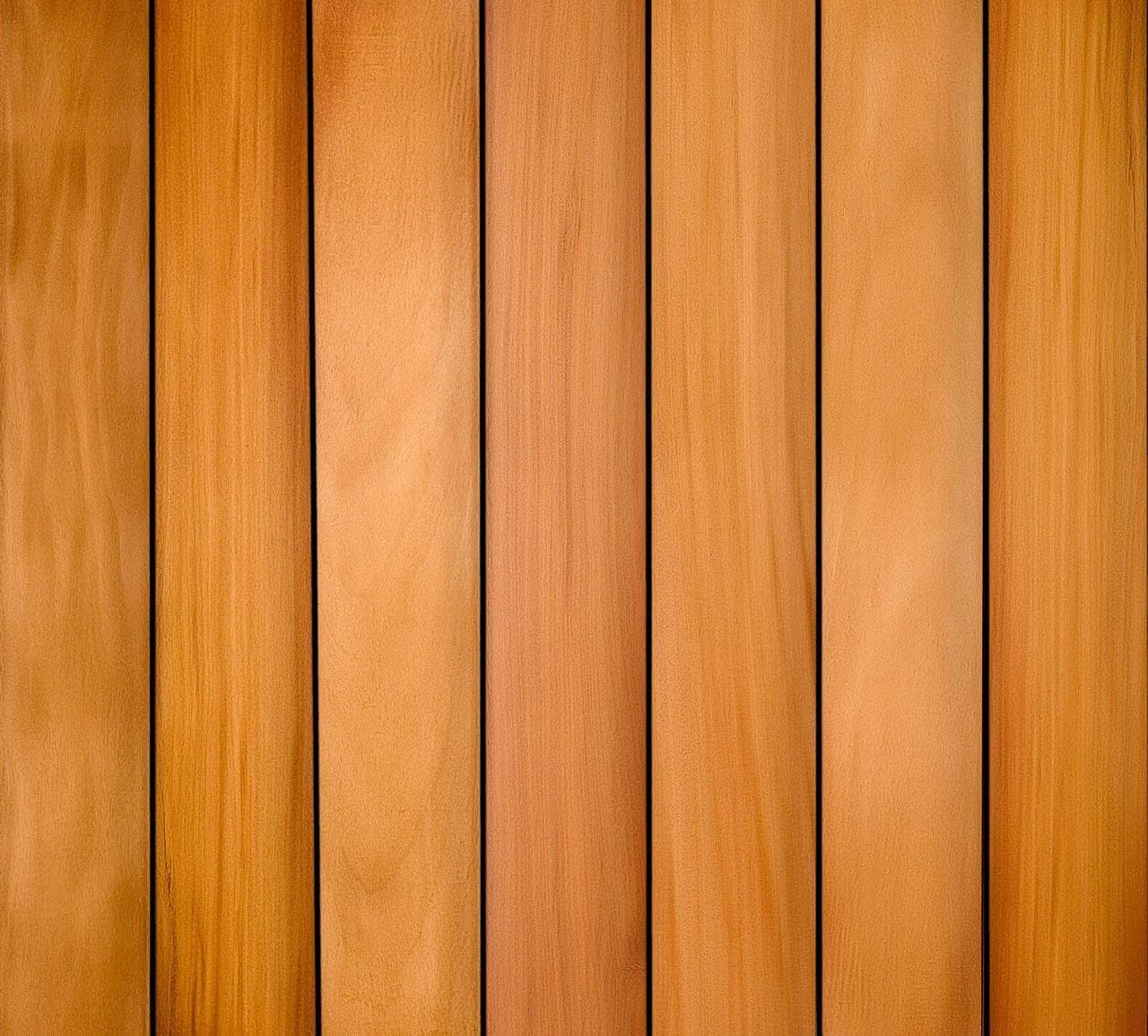
Garapa, also known as Brazilian Ash, is a tropical hardwood sourced from Brazil, recognized for its golden color. This characteristic can provide a warm, inviting appearance for a terrace, whether it's an elevated deck, a ground-level patio extension, or a rooftop amenity. Garapa is often considered for its durability in outdoor settings.
The wood's natural resistance to rot, decay, and insects means it does not require constant chemical treatments, which can be a practical advantage for homeowners. It is also noted for minimal splintering, which can contribute to a more comfortable walking surface for a terrace that sees frequent foot traffic. Garapa has an air dry density of 4.11 lbs/bf.
When considering Garapa for a terrace, its inherent properties suggest a material that can withstand exposure to the elements common in South Dakota, from seasonal temperature shifts to precipitation.
Terrace Design Considerations with Garapa Decking
A terrace often serves as an extension of indoor living, blurring the lines between interior and exterior spaces. With Garapa's golden color, it can create a continuous visual flow, especially when paired with warm-toned interior finishes or natural stone elements. The choice of board width and length can also influence the perceived size and formality of the terrace.
For a smaller, more intimate terrace, narrower boards might create a sense of scale, while wider boards can make a larger space feel more expansive. Garapa is available in 5/4"x6" (1" x 5.5") profiles, with lengths ranging from 3 to 24 feet. These dimensions allow for flexibility in laying out patterns and minimizing seams, depending on the overall terrace dimensions.
Consider the orientation of the boards relative to the main entry point or focal view. Running boards parallel to the house can create a sense of depth, while perpendicular or diagonal layouts can introduce visual interest and define different zones within the terrace.
Planning for Drainage and Ventilation on a Terrace
Proper drainage and ventilation are critical for the longevity of any outdoor deck, especially for a terrace that might be at or below grade, or on a rooftop. Hardwood decking, including Garapa, requires adequate airflow to prevent moisture accumulation, which can contribute to issues like mold or decay.
Ensure that the terrace design incorporates sufficient spacing between deck boards to allow for water runoff and air circulation. The specific spacing requirements will depend on the product and installation method. Additionally, if the terrace is built over a solid surface or has perimeter enclosures, consider how air will circulate beneath the deck surface.
For ground-level terraces, ensure the substructure allows water to drain away from the foundation and does not trap moisture. For elevated or rooftop terraces, the underlying waterproofing and drainage systems must be robust and compatible with the decking installation.
Worked Example: Designing a 10x12 Foot Terrace with Garapa Decking
Let's consider a hypothetical terrace project: a 10-foot by 12-foot rectangular space adjacent to a home in Pierre, intended for outdoor dining. We will use Garapa decking in a 5/4"x6" profile, which measures approximately 1 inch thick by 5.5 inches wide. For this example, we'll assume a standard straight lay pattern, with boards running parallel to the 12-foot dimension.
First, determine the number of boards needed for the 10-foot width. Each board is 5.5 inches wide, so 10 feet (120 inches) divided by 5.5 inches per board equals approximately 21.82 boards. This will result in a slightly wider overall deck or a small trim piece on one edge.
Next, each board needs to be 12 feet long. If we select 12-foot Garapa boards, each board would cover the entire length of the terrace. Therefore, we would need 22 boards, each 12 feet long. This calculation provides the linear footage for the decking surface: 22 boards * 12 feet/board = 264 linear feet.
This calculation does not account for waste from cuts, end-matching, or potential damage during installation. It is generally advisable to add a waste factor, typically 5-10%, to the total linear footage. For this example, a 10% waste factor would mean purchasing approximately 264 * 1.10 = 290.4 linear feet. Rounding up to the nearest full board length, you might consider purchasing 25 boards at 12 feet each to account for cuts and potential future repairs, totaling 300 linear feet. This provides a clear quantity for your material quote. Always confirm specific board dimensions and available lengths when ordering.
Requesting a Material Quote for Your Garapa Terrace
Once you have a clear understanding of your terrace design and estimated material needs, the next step is to request a detailed material quote. To ensure accuracy, provide the exact dimensions of your project, the desired Garapa profile (e.g., 5/4"x6"), and the ZIP code for the project location.
Be specific about any preferences, such as grooved options if you are considering hidden fasteners, or if you need specific board lengths to minimize waste for a particular layout. Providing a basic sketch or diagram of your terrace layout can also be helpful for the supplier to understand your requirements.
Inquire about current availability and any service options, such as delivery or pickup. This information is crucial for project planning and scheduling. Remember, a comprehensive quote allows for better budgeting and avoids unexpected costs during the construction phase.
Before you order
- Confirm overall terrace dimensions (length, width, height).
- Decide on the desired Garapa board profile (e.g., 5/4"x6").
- Choose the board layout direction (parallel, perpendicular, diagonal).
- Estimate total linear footage of decking, including a waste factor (5-10%).
- Plan for adequate drainage and ventilation beneath the deck surface.
- Consider the aesthetic integration of Garapa's golden tone with existing structures.
- Verify compatibility with proposed fastening methods (e.g., face-fastening, hidden clips).
- Account for substructure requirements based on terrace type (ground-level, elevated, rooftop).
- Prepare project dimensions and desired profile for a material quote.
- Confirm project ZIP code for quote accuracy and service options.
Confirm installation details, approved uses and warranty terms in the current instructions for the exact product and profile. Your installer should verify the substrate, structure and applicable project requirements.
This is a planning guide for projects in Pierre, SD. Ask our team to confirm availability, delivery to your ZIP code and which branch can support your order.
Questions to help you decide
What color is Garapa decking and how does it age?
Garapa decking is known for its golden color. Like most hardwoods exposed to UV light and weather, it will naturally weather to a silver-gray patina over time if left untreated. To maintain its golden hue, regular application of a UV-inhibiting oil finish is typically recommended.
Is Garapa decking suitable for all climates, including areas with harsh winters like Pierre, SD?
Garapa is a very durable hardwood with natural resistance to rot, decay, and weather changes. These properties make it a viable option for diverse climates. However, proper installation, including adequate ventilation and drainage, is crucial in regions with significant temperature fluctuations and winter conditions to ensure its longevity.
Does Garapa decking require special tools for installation?
Due to its density and interlocking grain, Garapa may require sharp, high-quality tools for cutting. It is resistant to nailing and screwing, so pre-drilling pilot holes is essential for fasteners to prevent splitting and ensure a secure connection. While it glues easily, for decking applications, mechanical fasteners are typically used.
Ready to Plan Your Garapa Terrace Project?
Request a material quote today. Provide your project dimensions, desired Garapa profile, and ZIP code to confirm current availability and service options for your Pierre, SD terrace.
Request a material quote →