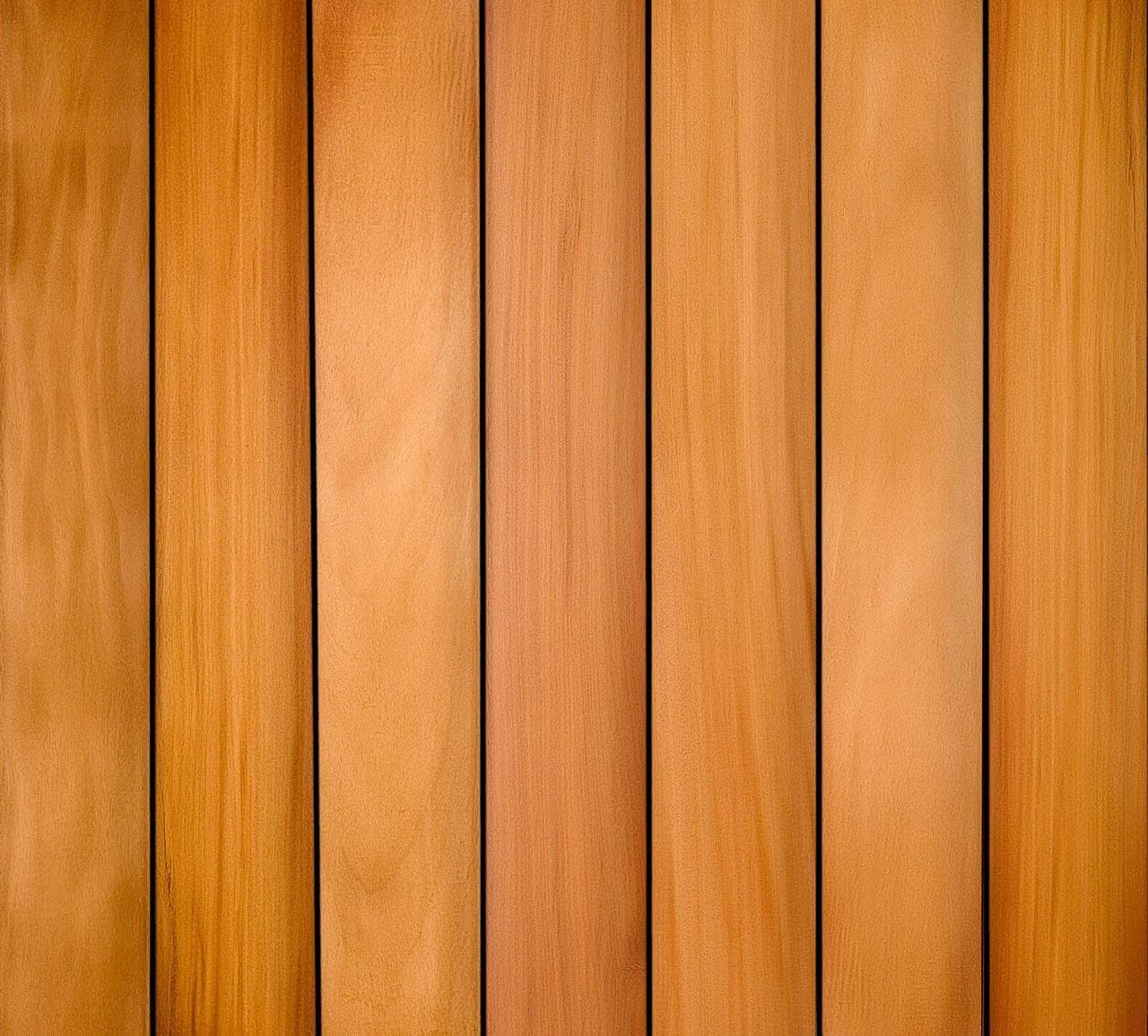
Understanding Garapa Hardwood Decking
Garapa (Apuleia leiocarpa), also known as Brazilian Ash, is a tropical hardwood originating from Brazil. It is recognized for its characteristic golden color, which can add a warm and modern aesthetic to exterior spaces. Garapa is a dense wood, with an air dry density of 4.11 lbs/bf, contributing to its durability.
A key advantage of Garapa is its natural resistance to rot, decay, and insects, which means it does not typically require constant chemical treatments to maintain its integrity. This natural resilience makes it a practical choice for outdoor applications where exposure to elements is a constant.
This versatility in profile allows for different installation methods and finished appearances, which can be important for terrace design.
Terrace Design Considerations for Olympia, WA
Olympia's climate, characterized by wet winters and mild, drier summers, presents specific challenges and opportunities for outdoor materials. When designing a terrace with Garapa decking, consider how the material will perform under these conditions.
Proper drainage and ventilation are critical for any deck in a moist climate. Ensure that the terrace design allows for adequate airflow beneath the deck boards to prevent moisture buildup, which can impact the longevity of even durable hardwoods. A well-designed substructure with appropriate spacing between boards will facilitate water runoff and drying.
The golden color of Garapa can brighten a terrace, especially useful during overcast periods. Over time, like many hardwoods, Garapa will naturally weather to a silver-gray if left untreated. Regular cleaning and application of a UV-inhibiting finish can help preserve its original golden hue, should that be the desired aesthetic.
Choosing the Right Garapa Profile and Finish
Garapa decking is typically offered in a 5/4"x6" profile, which translates to an actual dimension of 1" x 5.5". This standard size is versatile for most terrace applications. Some suppliers also offer a grooved option for hidden fastener systems, which can create a cleaner, fastener-free surface appearance.
The choice between face-fastening (screwing directly through the board face) and hidden fastening depends on aesthetic preference and installation method. Hidden fasteners offer a smooth surface, while face-fastening provides a secure connection with visible hardware. Consult with your installer regarding the best method for Garapa, as its density and interlocking grain can make nailing and screwing resistant.
For finishing, Garapa can be left to weather naturally or treated with a UV-inhibiting oil. An oil finish will enhance and maintain the golden color, while also providing an additional layer of protection against moisture. If you prefer the silver-gray patina, minimal treatment beyond cleaning may be desired.
Worked Example: A 10' x 12' Terrace Layout
Consider a hypothetical terrace project measuring 10 feet wide by 12 feet long, for a total area of 120 square feet.
To calculate the number of boards needed, we first determine the coverage of a single board. If boards are laid parallel to the 10-foot width, each board is 10 feet (120 inches) long and 5.5 inches wide.
The total width to cover is 12 feet (144 inches). Dividing 144 inches by 5.75 inches per board gives approximately 25.04 boards. Since you cannot purchase a fraction of a board, you would need to purchase 26 boards that are 10 feet long. This calculation assumes minimal waste and no complex cuts. For a realistic purchase, it is advisable to add 10-15% for waste, cuts, and future repairs. In this case, 26 boards * 1.15 = 29.9, rounded up to 30 boards.
The total width to cover is 10 feet (120 inches). Dividing 120 inches by 5.75 inches per board gives approximately 20.87 boards. Rounded up, this means 21 boards that are 12 feet long. Adding 15% for waste: 21 boards * 1.15 = 24.15, rounded up to 25 boards.
For a clean aesthetic, consider using pre-grooved Garapa boards with hidden fasteners. Ensure that joist spacing is appropriate for the chosen board thickness to provide adequate support and prevent deflection. This hypothetical example simplifies for illustration; always measure your specific project precisely.
Installation and Maintenance Considerations
Installing Garapa decking requires sharp tools due to its density and interlocking grain. While it resists nailing and screwing, it glues easily. Pre-drilling screw holes is often recommended to prevent splitting, especially near board ends.
Regular maintenance for Garapa involves routine cleaning to remove dirt, leaves, and other debris that can trap moisture and encourage mold or mildew growth. A simple sweep and occasional washing with water and a mild, pH-neutral cleaner are usually sufficient. For areas with persistent moisture, such as Olympia, ensuring good air circulation and prompt removal of organic matter is especially important.
If you choose to maintain the golden color, reapplication of a UV-inhibiting oil may be necessary every 1-2 years, depending on sun exposure and product instructions. If left to weather, Garapa will develop a silver-gray patina, which some homeowners prefer for a natural, aged look. This weathering does not typically affect the wood's structural integrity.
Before you order
- Assess existing terrace structure for compatibility with hardwood decking weight and fastening.
- Determine desired aesthetic: natural silvering or maintained golden hue.
- Choose between face-fastening or hidden fastener systems based on appearance preference.
- Verify local building codes for decking material and installation requirements.
- Plan for adequate ventilation and drainage beneath the terrace deck.
- Calculate board quantities with a 10-15% waste factor for cuts and future repairs.
- Consider complementary materials for railings, stairs, and fascia to match Garapa's tone.
Confirm installation details, approved uses and warranty terms in the current instructions for the exact product and profile. Your installer should verify the substrate, structure and applicable project requirements.
This is a planning guide for projects in Olympia, WA. Ask our team to confirm availability, delivery to your ZIP code and which branch can support your order.
Questions to help you decide
How long can Garapa decking be expected to last in Olympia, WA?
Its natural resistance to rot, decay, and insects contributes to this longevity, making it suitable for Olympia's climate, provided proper installation and maintenance practices are followed.
Does Garapa decking require special treatment for moisture resistance?
Garapa possesses natural resistance to weather changes and does not require constant chemical treatments for mold and decay. However, ensuring proper ventilation and drainage during installation, and regular cleaning, are essential for long-term performance, especially in a moist climate like Olympia's. Applying a UV-inhibiting oil can offer additional protection and maintain its golden color.
What is the typical appearance of Garapa decking?
Garapa is characterized by its golden color. If left untreated and exposed to the elements, it will naturally weather to a soft silver-gray patina over time, similar to many other hardwoods. Applying a UV-inhibiting finish can help preserve its original golden tone.
Request a Quote for Your Garapa Terrace Project
Ready to design your terrace with Garapa decking? Provide your project dimensions, desired profile (e.g., 5/4"x6" standard or grooved), and ZIP code to receive a material quote. We can also confirm current availability and service options for your Olympia, WA project. Visit our contact page to start your quote request today.
Request a material quote →