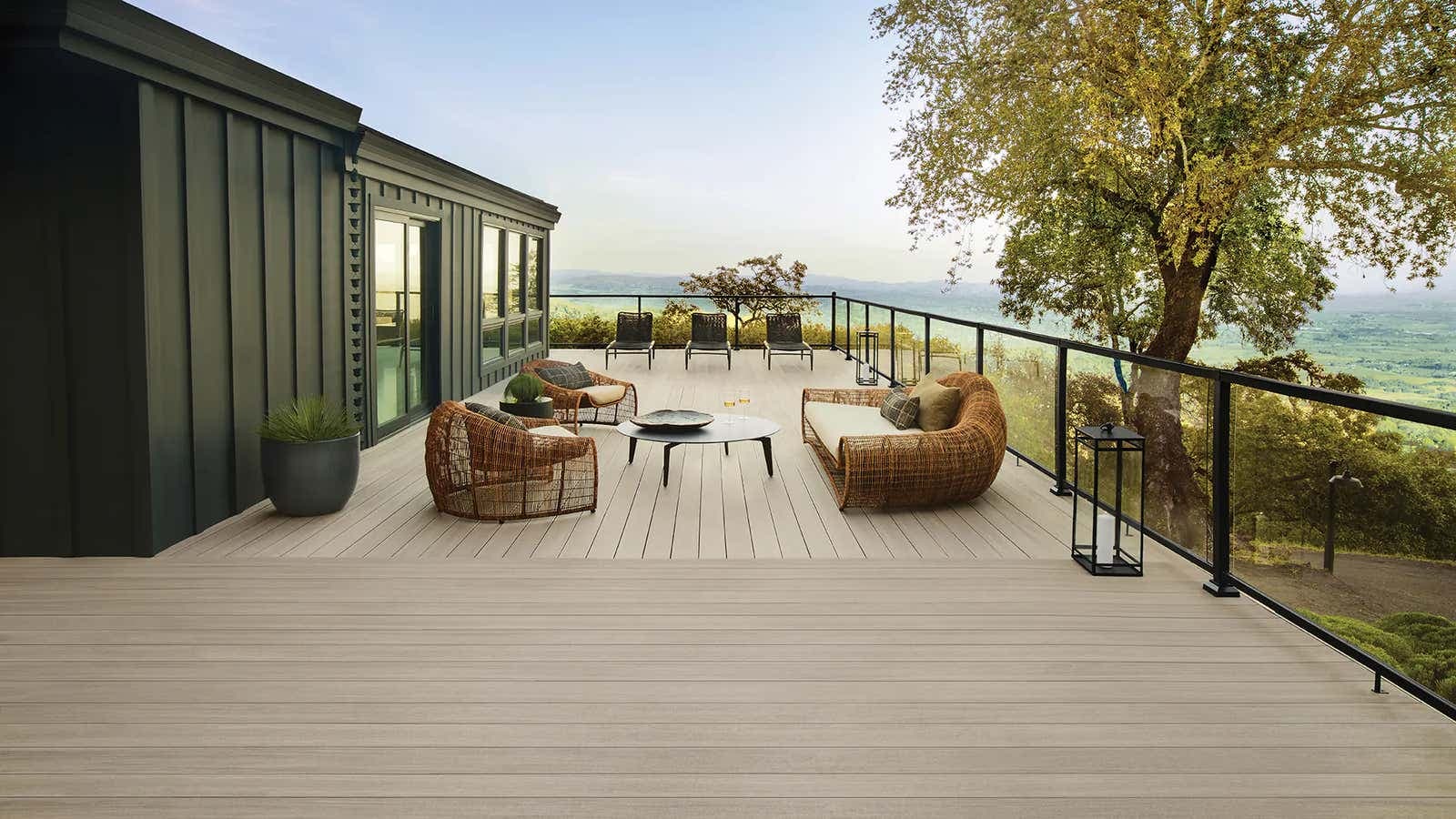
Understanding Composite Decking for Small Footprints
Composite decking combines recycled wood fibers and plastic, offering a material that resists rot, splinters, and insect damage. For compact spaces, this durability means less worry about wear and tear in high-traffic areas, or from potted plants and outdoor furniture. The consistent color and texture across boards eliminate the visual clutter that can sometimes make a small space feel even smaller.
When space is at a premium, every material choice impacts the overall feel. Composite decking provides a uniform surface that can make a compact area appear more cohesive and intentional. Its resistance to fading and staining helps maintain this clean look over time, which is crucial for outdoor areas that are frequently used and closely observed.
Choosing the Right Profile and Board Width
Composite decking is available in various profiles, including solid and hollow core, and different board widths. For compact spaces, narrower boards can sometimes create the illusion of a larger area by increasing the number of visual lines. Standard widths are common, but some manufacturers offer wider or narrower options that can dramatically alter the perception of space. Consider how the chosen profile will integrate with the subframe and any necessary ventilation, especially in covered or partially enclosed spaces.
The board profile also influences the installation system. Some composite boards are designed for hidden fasteners, which results in a clean, uninterrupted surface—an aesthetic benefit for small decks where every detail is magnified. Others may use face fastening. Always verify the manufacturer's recommended fastening method for the specific collection you choose. For example, Trex, TimberTech, and Fiberon collections each have distinct fastening requirements.
Color and Finish Choices for Visual Expansion
The color of your composite decking can significantly impact the perceived size of your outdoor area. Lighter colors tend to reflect more light, making a space feel more open and expansive. Darker colors, while elegant, can sometimes make a small area feel more enclosed. However, a strategic use of darker tones can also create a cozy, intimate atmosphere, depending on your design goals.
Finishes vary from smooth to deeply textured, mimicking natural wood grain. For compact spaces, a less pronounced texture might contribute to a cleaner, more streamlined look. It's important to consider how the finish will perform in terms of slip resistance and how it will feel underfoot, particularly if the space will be used barefoot.
Planning for Access and Installation in Confined Areas
Installing decking in a compact outdoor space in Olympia often involves navigating tight access points, existing structures, and potentially varied terrain. Before ordering, measure all entry points, including gates, doorways, and pathways, to ensure that decking boards can be transported to the project site without damage. Long boards may require specific delivery considerations or even cuts before delivery if access is extremely restricted.
Consider the installation process itself. For very small or irregularly shaped areas, cutting boards on-site will be necessary. Factor in space for a cutting station and debris management. If a professional installer is used, discuss site access and material handling in advance to avoid delays. Ensure adequate ventilation is planned beneath the deck, which is crucial for composite decking performance, especially in partially enclosed or low-clearance areas.
Worked Example: A 10x8 Foot Balcony Deck
Imagine you are decking a 10-foot by 8-foot balcony in Olympia, requiring a material that is durable and easy to maintain. You decide on a standard 6-inch wide composite decking board, which comes in 12-foot lengths. The total area is 80 square feet.
To cover the 10-foot length, you will need two 12-foot boards cut to 10 feet each, with 2 feet of offcut. For the 8-foot width, if laid perpendicular to the 10-foot dimension, you would need 8 feet / 0.5 feet (6 inches) = 16 boards. Since boards are 10 feet long, you would need 16 boards * 10 feet = 160 linear feet. Given 12-foot board lengths, you would purchase 14 boards (14 * 12 = 168 linear feet) to account for cuts and waste, assuming optimal cutting to minimize waste. Always add a percentage for waste and future repairs. The total purchase would be 14 boards of 12-foot length, totaling 168 linear feet. This provides enough material for the main deck surface and allows for cutting and some future repair allowance. Account for fascia boards separately if desired, matching the collection.
Maintenance and Longevity in Olympia's Climate
One of the primary benefits of composite decking for any project, especially compact ones, is its low maintenance. Unlike traditional wood, composite decking typically requires only an annual wash with soap and water. This is particularly appealing for small decks where extensive sanding, staining, or sealing would be cumbersome. This ease of care ensures your compact outdoor space remains inviting with minimal effort.
In Olympia's climate, which can experience significant rainfall, composite decking's resistance to moisture absorption is a distinct advantage. Capped composite boards, such as those offered by Trex or Fiberon, provide an additional protective layer that resists mold and mildew, maintaining the deck's appearance over time. This durability ensures a long service life, making it a sound investment for your outdoor living area without the need for frequent replacement or costly repairs.
Before you order
- Measure the exact dimensions of your compact outdoor space, including any irregular angles or existing obstructions.
- Consider how board width will impact the visual perception of space; narrower boards can sometimes make an area feel larger.
- Choose a composite decking collection that offers the desired balance of aesthetic, durability, and maintenance for your specific use.
- Select a color and finish that complements your home's exterior and contributes to the desired spacious or cozy feel.
- Verify manufacturer recommendations for fastening systems (hidden vs. face screws) and ensure compatibility with your subframe.
- Plan for material delivery and site access, especially if working in a confined or elevated space.
- Account for adequate ventilation beneath the deck, particularly important in moist climates or enclosed areas.
- Request a material quote with exact dimensions, preferred profile, and your project ZIP code to confirm current availability and service options.
Confirm installation details, approved uses and warranty terms in the current instructions for the exact product and profile. Your installer should verify the substrate, structure and applicable project requirements.
This is a planning guide for projects in Olympia, WA. Ask our team to confirm availability, delivery to your ZIP code and which branch can support your order.
Questions to help you decide
Can composite decking be installed directly over an existing concrete patio?
Generally, composite decking requires a proper subframe for support and ventilation. While some systems allow for low-clearance installations, direct installation over concrete without a subframe is usually not recommended as it can trap moisture and impede drainage, potentially voiding warranties. Always consult the specific manufacturer's installation guidelines for your chosen product.
How do I clean composite decking in a small space?
Composite decking is designed for low maintenance. For most collections, a simple annual cleaning with soap and water using a soft brush or a pressure washer on a low setting is sufficient. Always check the manufacturer's specific cleaning recommendations for your chosen product to avoid damage or voiding warranties. Avoid harsh chemicals or abrasive cleaners.
Are there different grades of composite decking for different uses?
Yes, composite decking is available in various collections and grades, often differing in capping technology, core material, and aesthetic options. Higher-end collections typically feature more advanced capping for enhanced stain and fade resistance, and a wider range of colors and textures. For compact spaces, durability and aesthetic appeal are both important, so consider collections from reputable brands like Trex, TimberTech, or Fiberon, which offer options suitable for diverse needs and budgets.
Ready to Plan Your Compact Composite Decking Project?
For your Olympia, WA project, request a material quote today. Provide your project dimensions, desired composite decking profile, and ZIP code to confirm current availability and service options. Explore our full range of composite decking options at our main composite decking page or browse all decking materials.
Request a material quote →