Understanding Garapa Hardwood for Terrace Applications
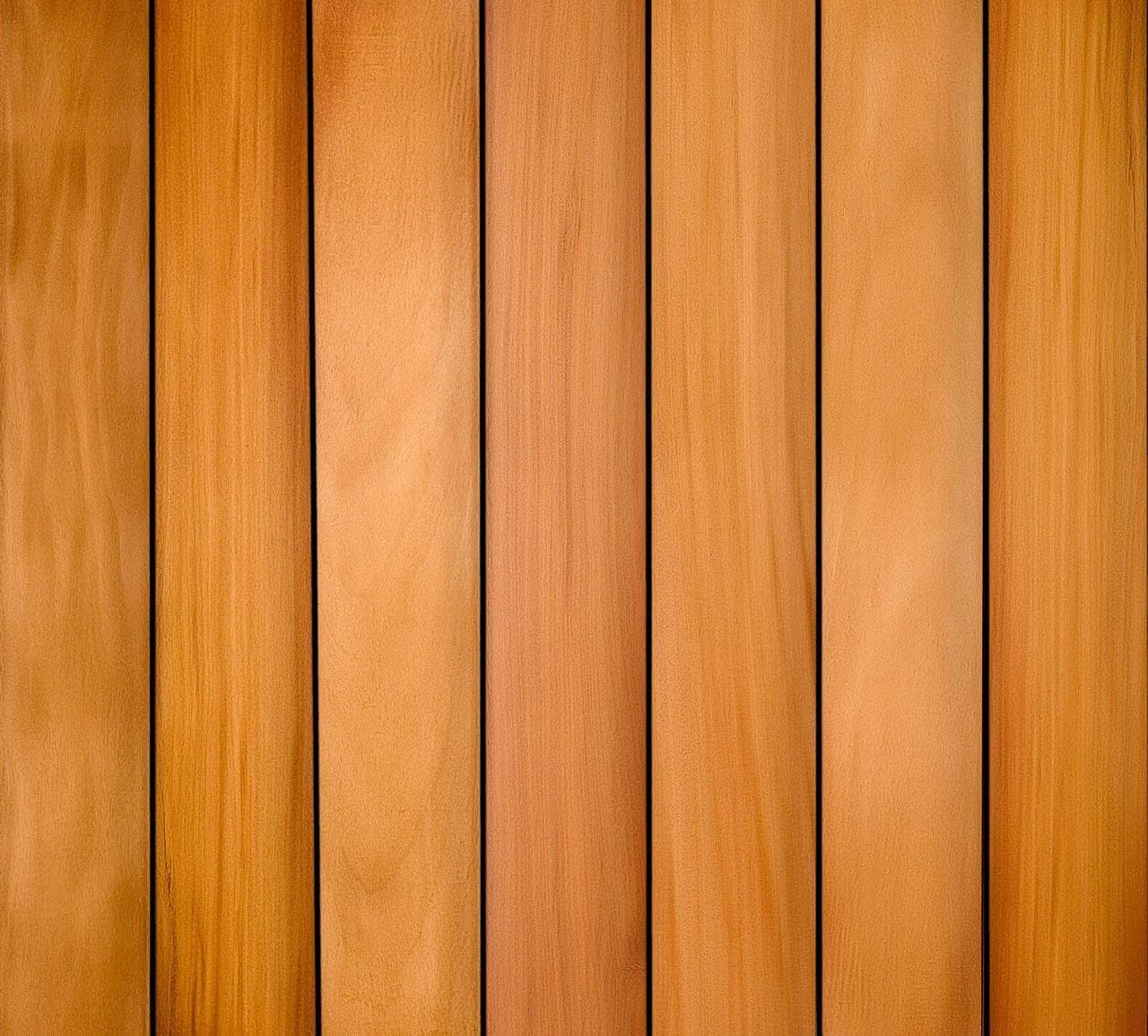
Garapa, also known as Brazilian Ash, is a tropical hardwood sourced from Brazil. It is characterized by its golden color, which can add a warm and contemporary feel to any exterior space. This wood is naturally resistant to rot, decay, and insects, reducing the need for constant chemical treatments. Its durability makes it suitable for outdoor applications such as decking.
For a terrace in Minneapolis, where seasonal changes can be significant, the natural resistance of Garapa to weather fluctuations is a key advantage. It is also noted for being resistant to scratching and slipping, with minimal splintering, which are practical benefits for a frequently used outdoor living area.
Garapa decking is typically available in dimensions such as 5/4"x6" (actual 1" x 5.5"), with grooved options often available. Lengths can range from 3 to 24 feet. This range of sizes allows for flexibility in design and layout for various terrace dimensions.
It's important to note that while Garapa is resistant to nailing and screwing due to its density, it glues easily. For decking applications, proper fastening methods, whether face-fastened or using compatible hidden fasteners, should be carefully considered during planning.
Designing Your Minneapolis Terrace: Key Decisions
The first step in planning your Garapa terrace is to define its purpose and layout. Will it primarily be a dining area, a lounge space, or a combination? Consider the flow from indoor spaces and how the terrace will integrate with existing landscaping or architectural elements. For a Minneapolis terrace, think about sun exposure throughout the day and how it might impact the material.
Consider the desired finished appearance. Garapa's golden color can be maintained with UV-inhibiting finishes, or it can be allowed to naturally weather to a silver-gray patina over time. The choice of finish affects both the aesthetic and ongoing maintenance requirements.
Board width is another design decision. With Garapa commonly available in 5.5-inch actual width, this standard size provides a consistent look. For specific design effects, consider how the board direction will influence the perception of space – running boards parallel to the longest dimension can make a narrow terrace appear wider, for instance.
Terrace Layout and Material Takeoff Example
Let's consider a hypothetical Minneapolis terrace project: an elevated deck measuring 12 feet wide by 10 feet deep. The homeowner desires a classic straight lay pattern using standard 1" x 5.5" (actual) Garapa decking boards.
First, calculate the total surface area: 12 feet x 10 feet = 120 square feet. For a straight lay, we'll run the boards along the 12-foot dimension. Each board is 5.5 inches wide, which is approximately 0.458 feet. To cover the 10-foot depth, you would need 10 feet / 0.458 feet/board = approximately 21.8 boards. Since you cannot purchase partial boards, you would need 22 boards.
If using 12-foot long boards, you would need 22 boards x 12 feet/board = 264 linear feet. It is always recommended to add an additional 10-15% for cuts, waste, and future repairs. So, 264 linear feet x 1.15 (15% waste) = approximately 304 linear feet.
This calculation assumes no complex cuts or patterns. For a picture-frame border, diagonal patterns, or areas around planters or railings, additional material and a more detailed cut plan would be necessary. Always confirm board lengths and availability when planning your order.
Planning for Support Structure and Ventilation
While this guide focuses on decking material, it's crucial to acknowledge the importance of the underlying support structure. The terrace subframe must be designed to adequately support the Garapa decking and any anticipated live loads, such as furniture, planters, and people. A qualified professional should review the structural integrity, especially for elevated or rooftop terraces.
Proper ventilation beneath the deck is essential for the longevity of any wood decking, including Garapa. Adequate airflow helps prevent moisture buildup, which can contribute to issues like cupping or warping. Ensure that the terrace design allows for sufficient air circulation, especially in areas where snow or rain might accumulate.
In Minneapolis, where humidity and temperature can fluctuate significantly, good ventilation becomes even more critical. Consult with your installer or deck builder to ensure the subframe and deck board spacing facilitate proper air movement according to manufacturer recommendations and local building practices.
Complementary Materials and Finishes
To complete your Garapa terrace, consider complementary materials. For railings, options like aluminum, steel, or even other hardwood species can create a cohesive look. For stairs, Garapa can be used for treads to match the main deck surface. Fascia boards, often made from the same decking material, provide a clean finished edge.
When it comes to finishes, a penetrating oil finish can enhance Garapa's natural golden tones and offer some UV protection. Alternatively, allowing the wood to weather naturally to a silver-gray will result in a lower-maintenance finish, though the color will change. Always test any finish on a scrap piece of Garapa to ensure the desired appearance before applying it to the entire deck.
For fasteners, discuss with your contractor whether hidden fasteners or face-fastening methods are most appropriate for your project and the specific Garapa profile. Hidden fasteners can provide a cleaner, uninterrupted surface, while face-fastening can offer a traditional look and strong hold.
Requesting a Material Quote: What to Provide
When you are ready to request a quote for Garapa decking for your Minneapolis terrace, providing precise information will ensure an accurate estimate. Be prepared to provide the exact dimensions of your terrace, including any irregular shapes or multiple levels. Clearly state the desired decking profile, such as the 5/4"x6" grooved or non-grooved option.
Specify the preferred board lengths if you have a detailed cut plan, or indicate that you need standard lengths to be calculated with a waste factor. Mention any additional components like fascia boards or stair treads made from Garapa. Finally, include your project ZIP code to assist with logistics and service options. A detailed material list, perhaps based on a professional design, will yield the most accurate quote.
Before you order
- Define primary purpose of the terrace (dining, lounge, mixed use).
- Determine overall dimensions and shape of the terrace.
- Decide on the desired finished appearance: natural weathering to silver-gray or maintained golden tone with finish.
- Confirm Garapa decking profile (e.g., 5/4"x6" grooved or non-grooved).
- Plan board layout direction (e.g., parallel to house, perpendicular).
- Calculate linear footage needed, including waste factor.
- Consider need for fascia, stair treads, or other matching components.
- Review requirements for the sub-structure and under-deck ventilation.
- Identify any complementary railing or accent materials.
- Prepare project dimensions and ZIP code for a material quote.
Confirm installation details, approved uses and warranty terms in the current instructions for the exact product and profile. Your installer should verify the substrate, structure and applicable project requirements.
This is a planning guide for projects in Minneapolis, MN. Ask our team to confirm availability, delivery to your ZIP code and which branch can support your order.
Questions to help you decide
What color is Garapa decking?
Garapa has a distinct golden color. It can maintain this golden hue with appropriate finishes or, if left untreated, it will naturally weather to a silver-gray patina over time.
Is Garapa suitable for outdoor use in Minneapolis's climate?
Yes, Garapa is a very durable hardwood with natural resistance to weather changes, rot, decay, and insects. These properties make it a suitable choice for outdoor decking applications in climates with varying seasons, like Minneapolis.
What maintenance does Garapa decking require?
Garapa does not require constant chemical treatments for mold and decay. To maintain its golden color, regular cleaning and application of a UV-inhibiting finish are recommended. If left untreated, it will naturally weather to a silver-gray, requiring less color-specific maintenance but still benefiting from occasional cleaning.
Request a Quote for Your Garapa Terrace Project
Ready to bring your Minneapolis terrace vision to life with Garapa decking? Provide your project dimensions, desired Garapa profile, and ZIP code to request a material quote. We can help you confirm current availability and service options for your project. Visit our quote request page to get started.
Request a material quote →