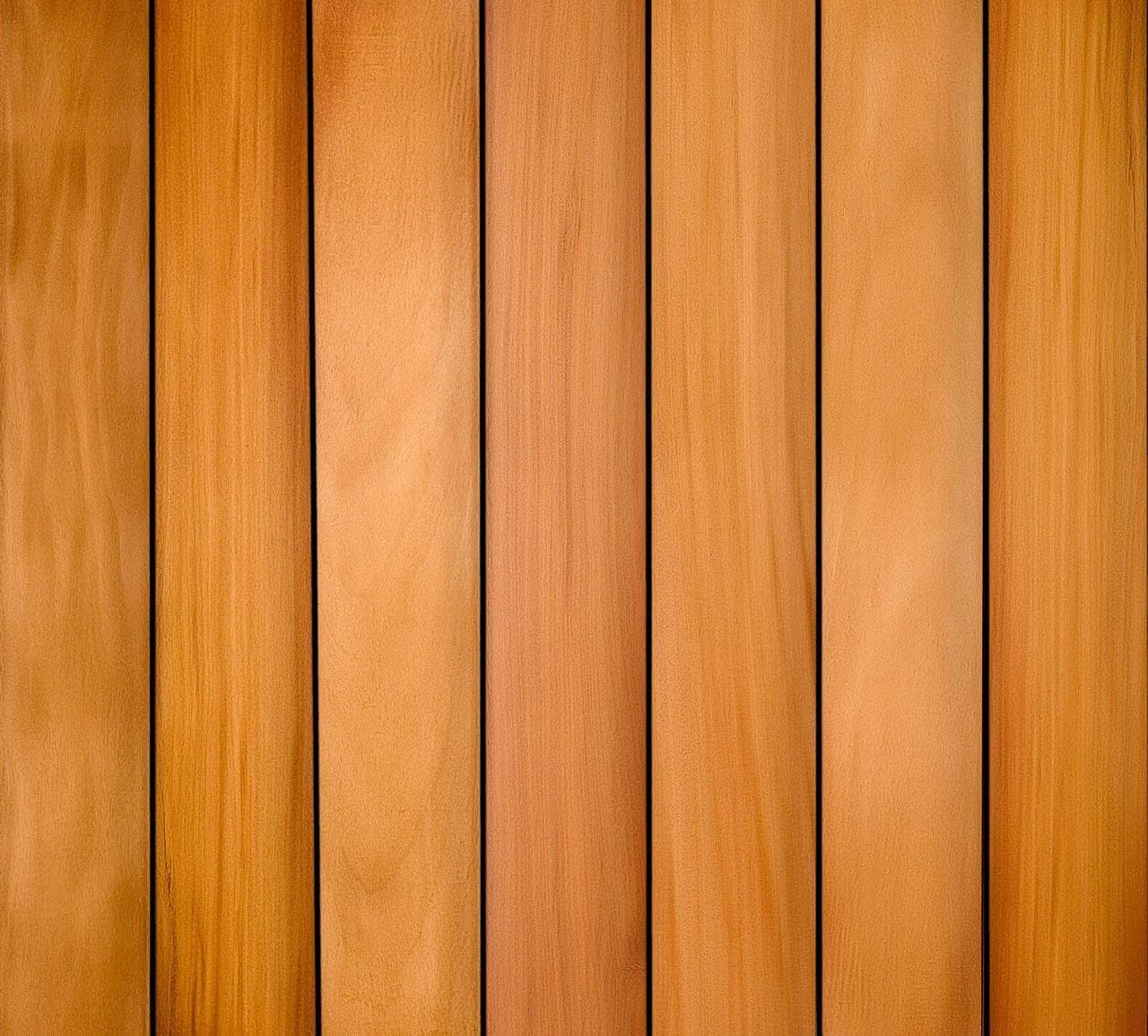
The Appeal of Garapa Decking for Terraces
Garapa, also known as Brazilian Ash, is a hardwood originating from Brazil, recognized for its distinctive golden color. This warm hue can brighten a terrace space, creating an inviting atmosphere that blends well with both traditional and modern home exteriors.
Beyond its appearance, Garapa offers practical benefits for outdoor applications. It is described as a very durable hardwood with natural resistance to rot, decay, and insects. This inherent resistance means it does not require constant chemical treatments to maintain its integrity. Its density also contributes to its resistance to scratching and splintering, making it a suitable choice for high-traffic terrace areas.
Lengths typically range from 3 to 24 feet, allowing for flexibility in design and minimizing seams for larger terrace layouts.
Designing Your Terrace: A Decision-Making Framework
When planning a terrace with Garapa decking, consider the following key design decisions to ensure the final result meets your functional and aesthetic goals:
First, define the primary use of your terrace. Will it be a dining area, a lounge space, or a combination? This dictates the required footprint and potential for distinct zones. A clear purpose helps determine the layout and the quantity of decking needed. For instance, a dining area might require a continuous surface, while a lounge could incorporate planters or built-in seating.
Second, consider the orientation and sun exposure. Garapa's golden tone can appear vibrant in direct sunlight and mellow in shaded areas. While Garapa is resistant to weather changes, understanding sun exposure helps plan for any necessary shade structures or planting that might integrate with the decking.
Third, think about the transition points to adjacent areas, such as the house, garden paths, or lawn. How will the decking meet these surfaces? Will there be steps, a flush transition, or a border? These details influence the edge profiles and trim pieces required.
Finally, visualize the overall aesthetic. Do you prefer a uniform, linear look, or a more dynamic pattern? Garapa boards can be laid straight, diagonally, or in a picture-frame style, each creating a different visual impact. The choice of board width (e.g., 5.5 inches) and length can also influence the perceived scale of the terrace.
Worked Example: A 12'x18' Terrace Dining Area
Let's consider a hypothetical terrace project in Des Moines: a 12-foot by 18-foot rectangular area designed primarily for outdoor dining and entertaining, adjacent to a kitchen door.
The project goal is a durable, low-maintenance surface with a warm, inviting appearance. Garapa decking in 5/4"x6" (actual 1" x 5.5") profile is chosen for its golden color and described durability. The layout will be a straight, perpendicular pattern to the house, with a simple picture-frame border.
Across the 12-foot width (144 inches), you would need 144 / 5.625 = 25.6 boards. Rounding up, we'll plan for 26 full boards running the 18-foot length.
Total linear footage for the main area: 26 boards * 18 feet/board = 468 linear feet. For the picture-frame border, a 1-board width (5.5") around the perimeter would require two 18-foot boards and two (12-foot - 2 * 5.5" border width) 11.08-foot boards. This is approximately 2 * 18 + 2 * 11.08 = 58.16 linear feet. However, to minimize waste and ensure solid connections, we might plan for four 18-foot boards for the outer frame and cut down two for the shorter sides, resulting in 4 * 18 = 72 linear feet, with some usable offcuts. Total estimated linear footage: 468 + 72 = 540 linear feet.
When ordering, it's advisable to add a waste factor, typically 10-15%, especially when planning for cuts and a border. For this example, 540 linear feet * 1.15 (15% waste) = 621 linear feet of Garapa decking. This calculation provides an estimate; precise measurements and a detailed cut plan from an installer are recommended before ordering. Longer boards, up to 24 feet, can help minimize butt joints.
Considerations for Installation and Fastening
Garapa's density and interlocking grain mean that sharp tools are recommended for cutting. While it is described as resistant to nailing and screwing, it glues easily. For decking, this typically means pre-drilling pilot holes for screws when face-fastening, or using compatible hidden fastening systems designed for dense hardwoods.
Hidden fasteners can provide a clean, uninterrupted surface, which might be preferred for a modern terrace aesthetic. If using hidden fasteners, confirm the specific system's compatibility with Garapa and the required board profiles. Grooved board options are available for some hidden fastener systems.
Proper ventilation beneath the deck is crucial for the long-term performance of any wood decking, including Garapa. Ensure that the subframe design allows for adequate airflow to prevent moisture buildup.
Maintenance and Longevity of Garapa
This means it does not require constant chemical treatments to maintain its resistance.
To preserve its golden color, Garapa can be periodically treated with a UV-inhibiting oil finish. Without such treatment, like most hardwoods, Garapa will gradually weather to a silver-gray patina over time. The choice to maintain the golden hue or allow it to weather is a design preference.
Routine cleaning with a broom or hose to remove debris is generally sufficient. For deeper cleaning, mild soap and water can be used. Always follow product-specific guidelines for cleaning and finishing to ensure compatibility and protect the material.
Before you order
- Define the primary function and desired zones of your terrace.
- Assess sun exposure and orientation for optimal material appearance and comfort.
- Plan transitions to adjacent structures and landscaping.
- Choose a decking layout (straight, diagonal, border) that suits your aesthetic.
- Determine fastening method: face-fastening with pre-drilling or hidden fasteners (with grooved boards).
- Confirm ventilation requirements for the subframe.
- Decide on color maintenance: oil finish for golden hue or allow natural silver-gray weathering.
- Measure your project area accurately, including any steps or borders.
- Factor in a waste percentage for cuts and potential board selection.
- Consider complementary materials like railings, planters, or lighting.
Confirm installation details, approved uses and warranty terms in the current instructions for the exact product and profile. Your installer should verify the substrate, structure and applicable project requirements.
This is a planning guide for projects in Des Moines, IA. Ask our team to confirm availability, delivery to your ZIP code and which branch can support your order.
Questions to help you decide
What color is Garapa decking?
Garapa decking is known for its distinct golden color. This warm hue can be maintained with periodic oil treatments or allowed to weather naturally to a silver-gray patina over time.
How durable is Garapa decking for outdoor use?
Garapa is described as a very durable hardwood with natural resistance to rot, decay, and insects.
Does Garapa decking require special maintenance?
Garapa does not require constant chemical treatments to resist mold and decay. Routine cleaning is generally sufficient. To maintain its golden color, a UV-inhibiting oil finish can be applied periodically. Without it, the wood will naturally weather to a silver-gray.
Ready to Plan Your Garapa Terrace Project?
Start your Des Moines terrace project by requesting a material quote. Provide your project dimensions, desired Garapa profile (e.g., 5/4"x6"), and ZIP code to confirm current availability and service options. Explore our full range of decking options, including other hardwoods like Ipe, composite, and PVC decking, to find the perfect fit for your outdoor space.
Request a material quote →