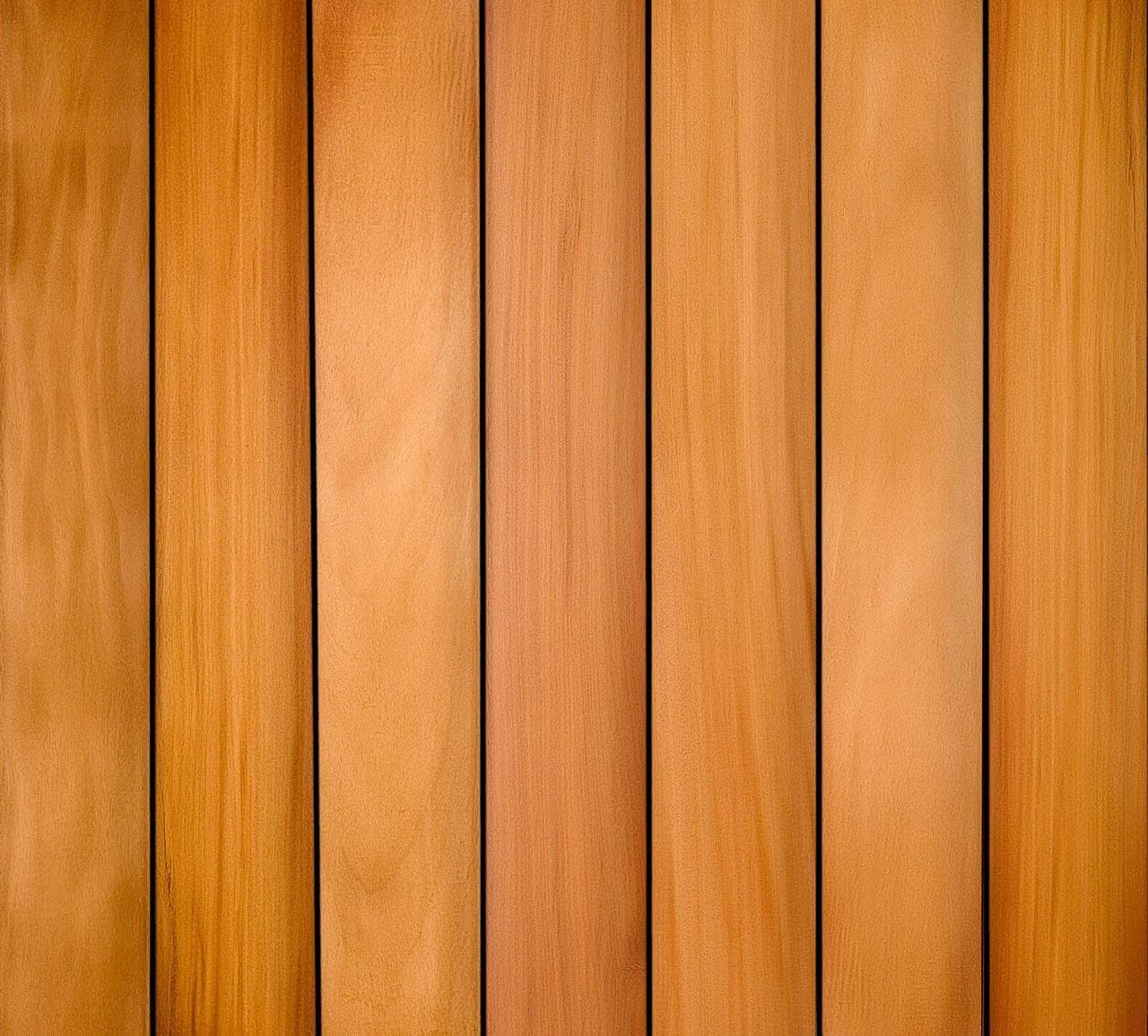
Why Exact Deck Board Spacing Matters for Garapa
Proper spacing between Garapa deck boards serves several vital functions. Firstly, it allows for effective water drainage, preventing puddles and reducing the risk of water damage or mildew growth on the deck surface. Adequate gaps also promote air circulation beneath and between the boards, which is crucial for preventing moisture buildup and ensuring the material dries evenly. This ventilation helps to minimize the natural expansion and contraction of the wood.
Garapa, a very durable hardwood from Brazil, has a natural resistance to rot, decay, and insects. Ignoring proper spacing can lead to boards buckling, cupping, or even cracking as they expand and contract with changes in humidity and temperature.
The aesthetic outcome of your deck also relies on consistent spacing. Even gaps create a visually appealing, uniform surface. Inconsistent spacing, on the other hand, can detract from the deck's overall look, making it appear poorly installed.
Factors Influencing Garapa Deck Board Spacing
Several key factors dictate the appropriate spacing for your Garapa deck boards. These include the board's dimensions, the installation method (face-fastened vs. hidden fasteners), local climate conditions, and the anticipated moisture content of the wood at the time of installation.
Garapa decking is commonly available in profiles such as 5/4"x6" (actual 1" x 5.5"). Thicker and wider boards generally require slightly larger gaps to accommodate more significant expansion and contraction. The specific profile you choose will have a direct impact on the recommended spacing.
The method of fastening also plays a role. Face-fastening, where screws go directly through the board, often allows for more precise control over spacing during installation. Hidden fastening systems, which secure boards from the sides or underneath, may have specific spacing requirements dictated by the fastener design itself. Always check the manufacturer's instructions for your chosen fastener.
Climate is a significant consideration. In regions with high humidity or frequent rainfall, slightly wider gaps may be beneficial to facilitate better drainage and drying. Conversely, in very dry climates, narrower gaps might be acceptable, though still necessary to prevent buckling during occasional moisture exposure. The moisture content of the boards at the time of installation is also important; kiln-dried (KD) Garapa will behave differently than air-dried material. Lumber Plus typically offers KD Garapa, which has a more stable moisture content upon delivery.
General Guidance for Garapa Decking Gaps
This range typically balances drainage, ventilation, and accommodating the natural movement of the wood. However, this is a generalization, and your specific project may require adjustments. Always refer to the technical specifications provided with your Garapa decking order.
Some installers use spacer tools to maintain consistent gaps across the entire deck surface.
It is crucial to understand that these are general guidelines. The exact dimensions of your Garapa boards and the conditions of your installation will dictate the precise spacing. Do not assume a universal gap size for all hardwood decking.
Worked Example: Planning Spacing for a 10x12 Foot Garapa Deck
Let's consider a hypothetical 10-foot by 12-foot deck project using Garapa 1" x 5.5" (nominal 5/4"x6") decking boards.
First, we need to determine the number of boards required for the 10-foot (120-inch) width. Each board is 5.5 inches wide. If we install boards across the 10-foot dimension, the calculation is as follows:
Total width to cover: 120 inches. Board width: 5.5 inches.
Let's estimate the number of boards needed. This suggests we'll need 22 boards.
The total width covered would be (22 * 5.5 inches) + (21 * 0.1875 inches) = 121 inches + 3.9375 inches = 124.9375 inches. This is slightly over our 120-inch target.
Alternatively, if we start with a fixed number of boards, say 21 boards: (21 * 5.5 inches) + (20 * 0.1875 inches) = 115.5 inches + 3.75 inches = 119.25 inches. This leaves a small margin, or allows for the last board to be slightly wider or the final gap to be slightly larger. This example highlights the need for careful measurement and calculation, and possibly a dry fit, to ensure the deck dimensions align with the board and gap layout.
Always plan for a few extra boards (typically 5-10%) for cuts and potential waste.
Coastal and Winter Considerations for Garapa Decking
For projects in coastal areas, Garapa's natural resistance to weather changes is beneficial. However, coastal environments often experience higher humidity and salt exposure, which can influence wood movement. In such settings, ensuring adequate spacing, perhaps towards the wider end of the recommended range, can help manage moisture and prevent salt buildup in crevices. Good ventilation underneath the deck is particularly important.
When planning for winter exposure, especially in regions with freeze-thaw cycles, proper spacing is equally critical. As wood takes on moisture from snow and ice, it will expand. If gaps are too narrow, this expansion can lead to excessive stress on the boards and fasteners. Wider gaps can provide the necessary room for this expansion, reducing the risk of damage. Garapa is very durable and resistant to weather changes, but thoughtful installation supports its performance in challenging climates.
Regardless of climate, ensure that the deck substructure allows for sufficient airflow. Blocking airflow can trap moisture and accelerate deterioration, even with a durable wood like Garapa. Consult with a local building professional or experienced deck installer for climate-specific recommendations.
Complementary Products and Tools for Garapa Decking
To achieve precise and consistent spacing for your Garapa deck, consider using specialized tools. Deck board spacers are small, uniform blocks that help maintain even gaps during installation. These are particularly useful for DIY enthusiasts and ensure a professional finish.
For fastening, consider the type of fasteners compatible with Garapa. While Garapa is resistant to nailing and screwing, pre-drilling is often recommended to prevent splitting, especially near board ends. High-quality stainless steel screws are typically preferred for their corrosion resistance in outdoor applications. You can explore options for deck screws and hidden fasteners.
For finishing, once your Garapa deck is installed, consider sealers or oils to protect the wood and maintain its golden color, or allow it to naturally weather to a silver-gray patina. Explore deck finishes to find a suitable product. Ensure any chosen finish is compatible with Garapa and applied according to manufacturer instructions.
Remember that proper ventilation beneath the deck is paramount. Consider installing lattice or other skirting options that allow for airflow while aesthetically enclosing the deck perimeter. You can find various accessories and tools for decking projects.
Before you order
- Consult the specific installation guide for your Garapa decking profile and dimensions.
- Determine the ambient humidity and temperature at the time of installation.
- Consider the typical climate conditions (humidity, rainfall, winter exposure) of your project location.
- Choose your fastening method (face-fastened or hidden fasteners) and review its spacing requirements.
- Calculate the total deck width/length and plan board layout to confirm the number of boards and gaps.
- Account for natural expansion and contraction of the wood based on moisture content (kiln-dried vs. air-dried).
- Ensure adequate ventilation underneath the deck structure.
- Obtain deck board spacers for consistent gap widths during installation.
- Plan for a waste factor (typically 5-10%) when ordering boards.
Confirm installation details, approved uses and warranty terms in the current instructions for the exact product and profile. Your installer should verify the substrate, structure and applicable project requirements.
Questions to help you decide
What happens if Garapa deck boards are installed with no gaps?
Installing Garapa deck boards with no gaps can lead to significant problems. As the wood absorbs moisture from rain or humidity, it will expand. Without sufficient space to expand, the boards can buckle, cup, crack, or put undue stress on the fasteners and substructure. This can compromise the structural integrity and appearance of your deck, and lead to premature deterioration.
Does Garapa expand and contract less than other hardwoods?
Garapa is known for its durability and resistance to weather changes, which suggests a relatively stable performance compared to some less dense woods. However, like all natural wood, it will still expand and contract with fluctuations in moisture and temperature. Proper spacing is always necessary to accommodate this natural movement and ensure the longevity of the deck. Its 'very durable' nature means it handles these changes well, but not without needing appropriate installation practices.
Can I use the same spacing for Garapa decking in both dry and humid climates?
While a consistent approach is ideal, it's often advisable to adjust spacing based on climate. In consistently humid climates or areas with significant moisture exposure, a slightly wider gap (within the manufacturer's recommended range) may be beneficial to facilitate better drainage and airflow, helping the wood dry more quickly. In very dry climates, a narrower gap might be acceptable, but never eliminate gaps entirely. Always prioritize the manufacturer's specific guidance for your chosen board profile and consider local conditions.
Ready to Plan Your Garapa Deck Project?
Request a material quote today. Provide your project dimensions, desired Garapa profile, and ZIP code, and we'll help confirm current availability and service options for your decking needs.
Request a material quote →