Understanding Garapa Hardwood for Commercial Use
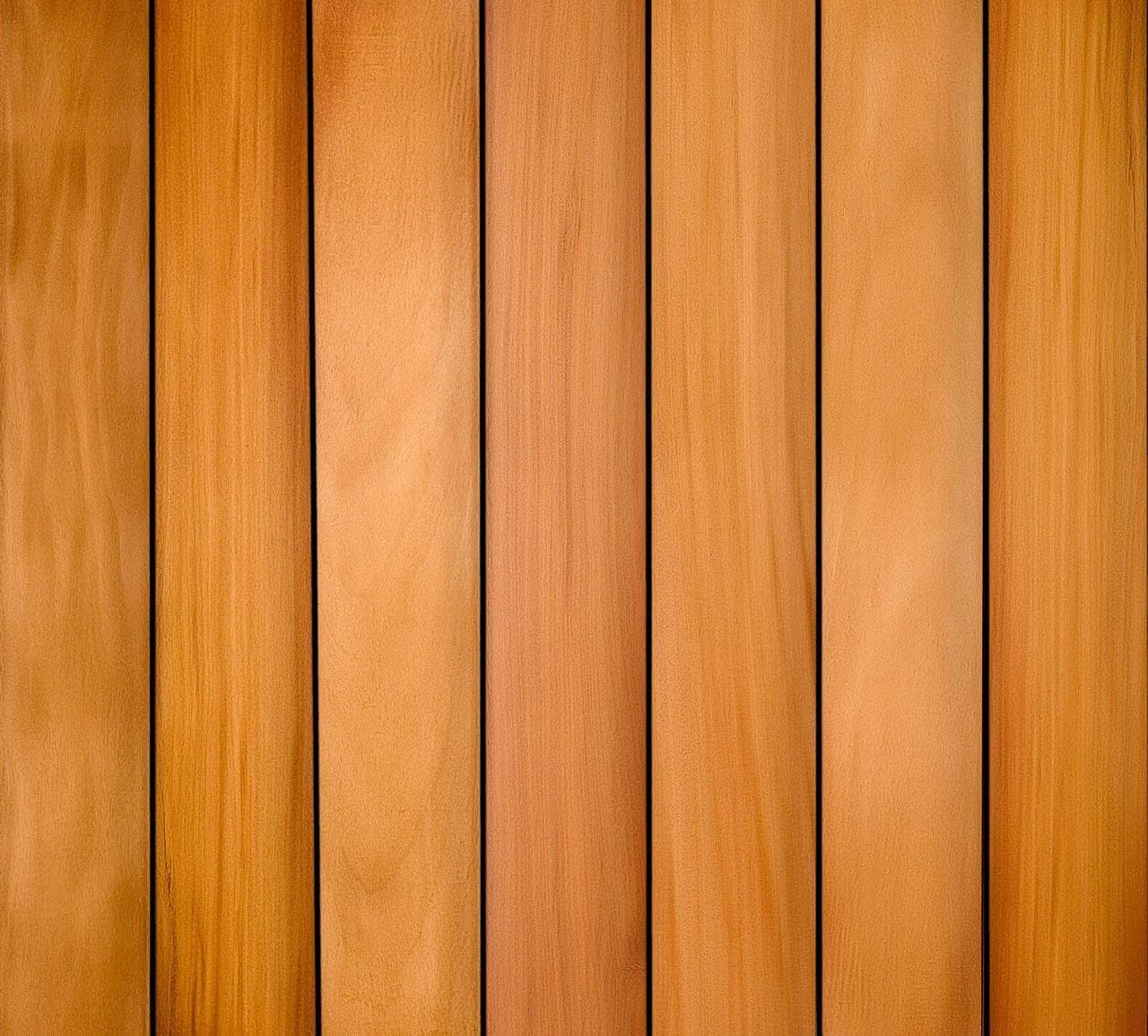
Garapa (Apuleia leiocarpa) is a tropical hardwood originating from Brazil, known for its golden color and inherent durability. It is often chosen for exterior applications due to its natural resistance to rot, decay, and insects, which can be a significant advantage in a commercial setting where minimal chemical treatment is desired.
For a restaurant patio, the material's ability to resist wear and tear without extensive upkeep is critical. Garapa's density and resistance to weather changes mean it can maintain its structural integrity and appearance over time, even with daily commercial use. Its golden hue also provides a warm, inviting backdrop for outdoor dining areas. The wood's characteristics offer a balance of aesthetic quality and practical performance for hospitality spaces.
When considering Garapa for commercial use, it's important to note its workability. While it glues easily, its density and interlocking grain require sharp tools, and it can be resistant to nailing and screwing. Planning for proper fastening methods is essential for a secure and long-lasting installation in a high-traffic environment.
Designing the Patio Layout and Seating Areas
The layout of a restaurant patio directly impacts customer experience and operational efficiency. When designing with Garapa decking, consider the flow of traffic, placement of tables and chairs, and potential for planters or other decorative elements. The standard availability of Garapa decking in profiles like 5/4"x6" (1" x 5.5" finished size, with grooved options) and lengths from 3 to 24 feet offers flexibility in design. These dimensions allow for various patterns, from straight lay to more intricate designs.
For a commercial patio, maximizing seating while maintaining comfortable spacing is key. A common strategy involves defining distinct zones: a main dining area, a pathway for servers, and perhaps a lounge or bar section. The consistent golden color of Garapa can help unify these zones while adding a touch of sophistication. When planning for furniture, consider the impact of constant movement; while Garapa is described as scratch and slip resistant, protecting the surface with felt pads on chair and table legs can help preserve its appearance over time.
Specific Considerations for High-Traffic Areas
Restaurant patios experience heavy foot traffic, spills, and constant exposure to the elements. Garapa's natural durability and resistance to rot and decay are significant advantages here. However, even with a robust material like Garapa, specific planning can extend the life and appearance of the deck.
Consider areas that will receive the most wear, such as entry points, pathways, and around server stations. These areas might benefit from a slightly more protective finish or more frequent cleaning. While Garapa does not require constant chemical treatments for mold and decay, regular cleaning to remove food debris, grease, and general dirt is essential in a commercial setting to maintain hygiene and aesthetic appeal. The material's inherent resistance to splintering also contributes to a safer walking surface for patrons and staff.
Maintenance and Upkeep for a Commercial Patio
Maintaining a Garapa deck on a restaurant patio focuses on cleanliness and preserving its natural beauty. Garapa's natural resistance to rot, decay, and insects means it does not require constant chemical treatments. However, a commercial environment necessitates a consistent cleaning schedule.
Daily sweeping and occasional washing with water and a mild, pH-neutral cleaner can help remove food spills, dirt, and grime. For deeper cleaning, especially after a busy service, a pressure washer on a low setting can be used with caution to avoid damaging the wood fibers. While Garapa has a golden color, like all natural hardwoods, it will gradually weather to a silver-gray patina if left untreated. To maintain the golden hue, periodic application of a UV-inhibiting oil finish is recommended. This also helps to condition the wood and protect it from moisture variations. Always ensure any cleaning or finishing products are compatible with Garapa hardwood.
Worked Example: Calculating Garapa Decking for a Patio
Let's consider a hypothetical restaurant patio project: a rectangular outdoor dining area measuring 30 feet long by 20 feet wide. The restaurant desires a straight-lay pattern using 5/4"x6" Garapa decking (which finishes to approximately 1 inch thick by 5.5 inches wide).
First, calculate the total area: 30 ft * 20 ft = 600 square feet. Each 5/4"x6" board covers approximately 0.458 square feet per linear foot (5.5 inches / 12 inches per foot). So, a 12-foot board covers 5.5 square feet (0.458 * 12). To cover 600 square feet, approximately 1310 linear feet of decking would be needed (600 sq ft / 0.458 sq ft/lin ft).
If boards are commonly available in 12-foot and 16-foot lengths, a mix might be used to minimize waste. For simplicity, if primarily 12-foot boards are ordered, this would be 1310 linear feet / 12 feet per board = approximately 109 boards. It is always recommended to add an additional 10-15% for cuts, waste, and future repairs in a commercial setting. Therefore, ordering around 120-125 boards would be a prudent approach. This calculation is for coverage only and does not include specific cut plans or joist spacing requirements, which should be finalized with an installer and detailed project plans.
Before you order
- Confirm local commercial building codes and fire ratings for outdoor decking materials.
- Evaluate the expected foot traffic and furniture movement on the patio.
- Decide on the desired aesthetic: natural weathered silver-gray or maintained golden hue.
- Plan for drainage and ventilation beneath the deck structure.
- Consider the impact of direct sunlight and weather exposure on the decking.
- Establish a realistic budget for material, installation, and ongoing maintenance.
- Review available Garapa profiles and lengths to optimize the layout and minimize waste.
- Select appropriate fasteners (hidden or face-fastened) suitable for commercial use.
- Develop a detailed cleaning and maintenance schedule for the restaurant staff.
- Identify compatible cleaning and finishing products for Garapa hardwood.
Confirm installation details, approved uses and warranty terms in the current instructions for the exact product and profile. Your installer should verify the substrate, structure and applicable project requirements.
Questions to help you decide
Is Garapa suitable for all commercial outdoor spaces?
Garapa is a very durable hardwood with natural resistance to rot, decay, and insects, making it suitable for many commercial outdoor spaces, including restaurant patios. Its resistance to weather changes and minimal splintering are beneficial in high-traffic areas. However, specific project requirements, local building codes, and expected usage intensity should always be reviewed to confirm suitability.
How do I maintain the golden color of Garapa decking on a restaurant patio?
Garapa naturally weathers to a silver-gray patina over time if left untreated. To maintain its original golden color, you will need to apply a UV-inhibiting oil finish periodically. Regular cleaning to remove dirt, food spills, and grime is also essential to preserve the deck's appearance in a commercial setting.
What profiles and lengths are available for Garapa decking?
Garapa decking is commonly available in profiles such as 5/4"x6" (which finishes to approximately 1" x 5.5"). Grooved options may also be available for specific fastening systems. Lengths typically range from 3 to 24 feet, offering flexibility for various patio designs and minimizing seams.
Ready to Transform Your Restaurant Patio with Garapa Decking?
Request a material quote today with your project dimensions, desired profile, and ZIP code. We can help confirm current availability and service options for your commercial decking needs. Explore our full range of hardwood decking options, including Ipe, or consider composite and PVC decking alternatives for other project requirements.
Request a material quote →