Understanding Garapa Decking for Outdoor Use
Garapa is a tropical hardwood known for its golden hue and durability. It has natural resistance to rot, decay, and insects, which means it doesn't require constant chemical treatments for maintenance. This makes it a practical choice for outdoor environments where exposure to moisture and pests is common.
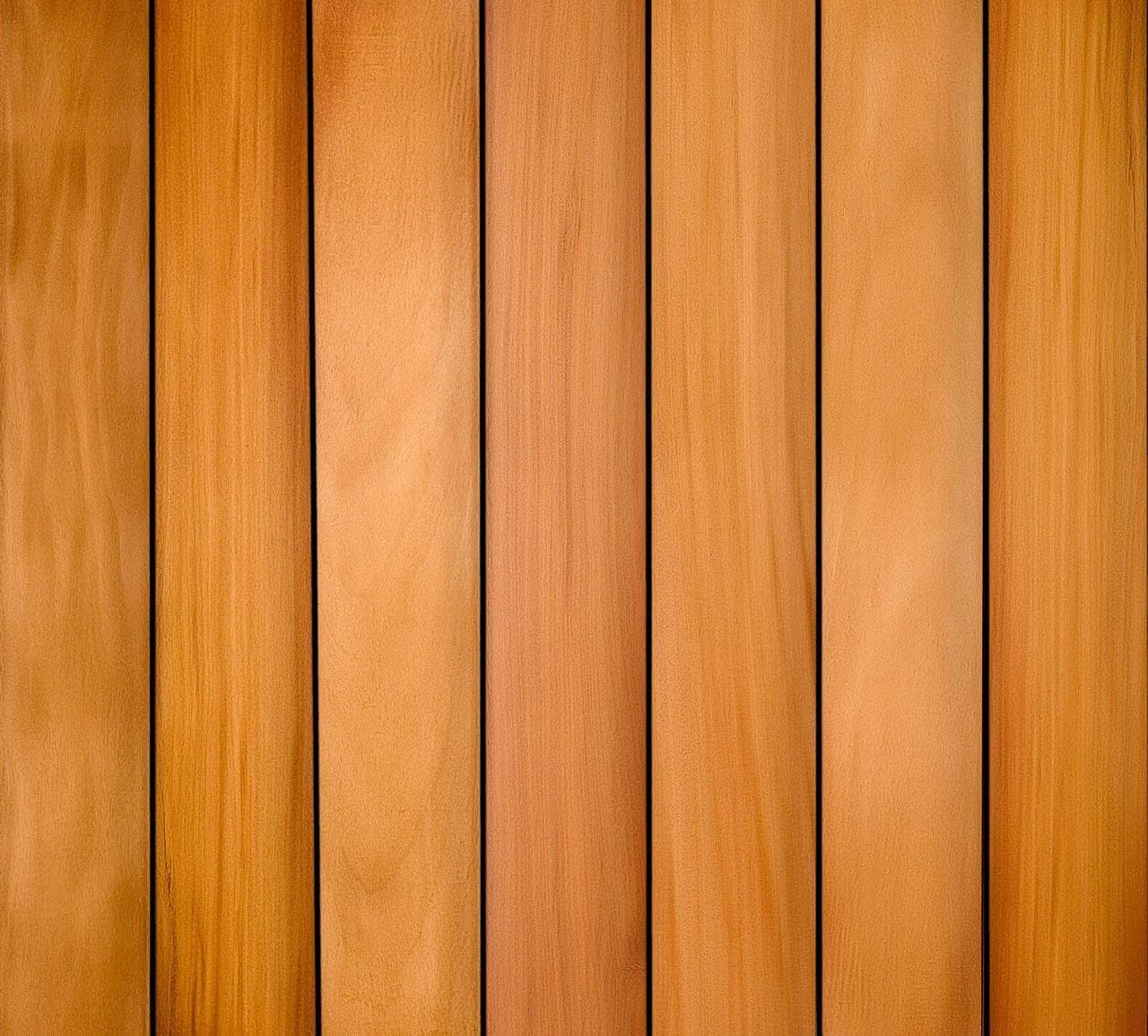
The wood's density and resistance to weather changes contribute to its longevity. Garapa is also noted for minimal splintering, scratch, and slip resistance, which are beneficial qualities for an active outdoor kitchen area where spills and foot traffic are frequent. Its attractive golden color can range from a light yellow to a warm amber, offering a versatile aesthetic that complements various outdoor kitchen designs. Over time, like other hardwoods, Garapa will naturally weather to a silver-gray patina if left untreated, or its golden color can be maintained with appropriate UV-inhibiting finishes.
Site Assessment and Structural Planning
Before any material selection, a thorough site assessment is crucial. Identify the exact location for your outdoor kitchen, considering sun exposure, prevailing winds, and proximity to utilities like water, gas, and electricity. These factors will influence the layout of your kitchen and, consequently, the decking design.
The structural integrity of your deck is paramount, especially when accommodating heavy outdoor kitchen appliances such as built-in grills, refrigerators, or stone countertops. Ensure your deck frame is designed to support the concentrated loads of these elements. This might involve additional joists, beams, or reinforced footings in specific areas. Consult with a structural engineer or experienced contractor to verify that your existing or planned deck structure can safely bear the weight of your outdoor kitchen components. Overlooking this step can lead to safety hazards and premature deck failure.
Clearances and Fire Safety Around Appliances
When planning your outdoor kitchen, always adhere to manufacturer specifications for clearances around cooking appliances. Grills, side burners, and pizza ovens generate significant heat and require specific distances from combustible materials like wood decking. These clearances are critical for fire safety and often involve non-combustible barriers or spacing.
For example, a built-in grill may require a certain number of inches of clearance from any wood surface on its sides and rear. Countertops immediately adjacent to cooking surfaces should ideally be made of non-combustible materials like stone, concrete, or tile. While Garapa has a good fire rating, it is still a wood product, and direct exposure to high heat can cause damage or pose a fire risk. Always consult the appliance installation manual for precise clearance requirements and consider incorporating heat shields or non-combustible inserts where necessary.
Ventilation and Drainage Considerations
Proper ventilation is essential for any outdoor kitchen, particularly for gas-powered appliances. Ensure that any enclosed cabinetry or appliance housing has adequate airflow to prevent heat buildup and potential gas accumulation. This also extends to the deck surface itself. Good airflow beneath the deck helps prevent moisture buildup, which can contribute to rot and decay, even in naturally resistant woods like Garapa.
Effective drainage is also key. Design your deck and kitchen layout to direct water away from appliances and structural elements. Consider a slight slope in the deck surface away from the house, or ensure that rainwater can freely drain through deck board gaps without pooling. Avoid situations where water can collect around the base of kitchen units, as this can compromise both the appliances and the decking over time.
Worked Example: Planning a Grill Island with Garapa Decking
Let's consider a hypothetical 10-foot by 12-foot Garapa deck with a built-in grill island. The grill island is 6 feet wide and 3 feet deep, housing a gas grill and a small prep counter.
To accommodate this, the grill island will be positioned 12 inches away from any vertical Garapa decking elements or railings. The countertop surrounding the grill will be made of granite. The deck boards themselves, measuring 5/4"x6" (actual 1"x5.5"), will run parallel to the 12-foot length of the deck. The area directly under the grill unit will be reinforced with additional joists to support the weight of the grill and its stone countertop. The total deck area is 120 square feet. If we assume 10% waste for cuts and errors, we'd need approximately 132 square feet of Garapa decking. For 5.5-inch wide boards, this translates to roughly 288 linear feet (132 sq ft * 144 sq in/sq ft / 5.5 in = 3456 linear inches / 12 in/ft = 288 linear feet), which would then be ordered in available lengths (e.g., 12-foot and 16-foot boards to minimize waste).
This example highlights the need to factor in not just the overall deck size, but also the specific dimensions and requirements of kitchen components into your material order and structural plan. The actual quantity of boards will depend on the chosen board lengths and how they are cut to fit the layout, including around the grill island.
Before you order
- Verify local building codes for outdoor kitchen installations and clearances.
- Assess existing deck structure or plan new framing for concentrated loads of appliances.
- Identify utility connections (gas, water, electric) and plan their routing.
- Select non-combustible materials for countertops directly adjacent to cooking surfaces.
- Confirm manufacturer-specified clearances for all cooking appliances from combustible materials.
- Plan for adequate ventilation around enclosed appliances and under the deck.
- Design for effective water drainage away from kitchen units and deck structure.
- Choose Garapa board lengths and layout to minimize waste around kitchen features.
- Consider the long-term maintenance plan for Garapa decking in a high-traffic kitchen area.
- Consult with a professional contractor or designer experienced in outdoor kitchens.
Confirm installation details, approved uses and warranty terms in the current instructions for the exact product and profile. Your installer should verify the substrate, structure and applicable project requirements.
Questions to help you decide
Is Garapa decking suitable for use around a grill?
Garapa decking is a durable hardwood with a good fire rating, making it a viable option for deck surfaces. However, all cooking appliances, including grills, generate significant heat. It is crucial to maintain the manufacturer-specified clearances between the grill and any combustible materials, including Garapa decking. We recommend using non-combustible materials for countertops directly adjacent to grills and considering heat shields or inserts as needed to ensure safety.
How do I protect Garapa decking from grease and food spills in an outdoor kitchen?
Garapa is naturally resistant to many outdoor elements. To protect it from grease and food spills common in an outdoor kitchen, regular cleaning is recommended. Wiping up spills promptly can prevent staining. Applying a penetrating oil finish designed for hardwoods can also help create a barrier against moisture and stains, while enhancing the wood's golden color. Always test any cleaning products or finishes on an inconspicuous area first.
What kind of maintenance does Garapa decking require in an outdoor kitchen setting?
Garapa decking is known for its low maintenance requirements compared to some other wood types, largely due to its natural resistance to rot, decay, and insects. In an outdoor kitchen setting, regular cleaning to remove food debris, grease, and general dirt is important. If you choose to maintain its golden color, periodic application of a UV-inhibiting finish will be necessary. Otherwise, the wood will naturally weather to a silver-gray patina over time. Ensure good ventilation and drainage to prevent moisture issues beneath appliances and within the deck structure.
Ready to Plan Your Garapa Outdoor Kitchen Deck?
Request a material quote today with your project dimensions, desired Garapa profile (e.g., 5/4"x6" grooved or non-grooved), and your ZIP code. Our team can help confirm current availability and service options for your project.
Request a material quote →