Understanding Garapa Decking for Transitions
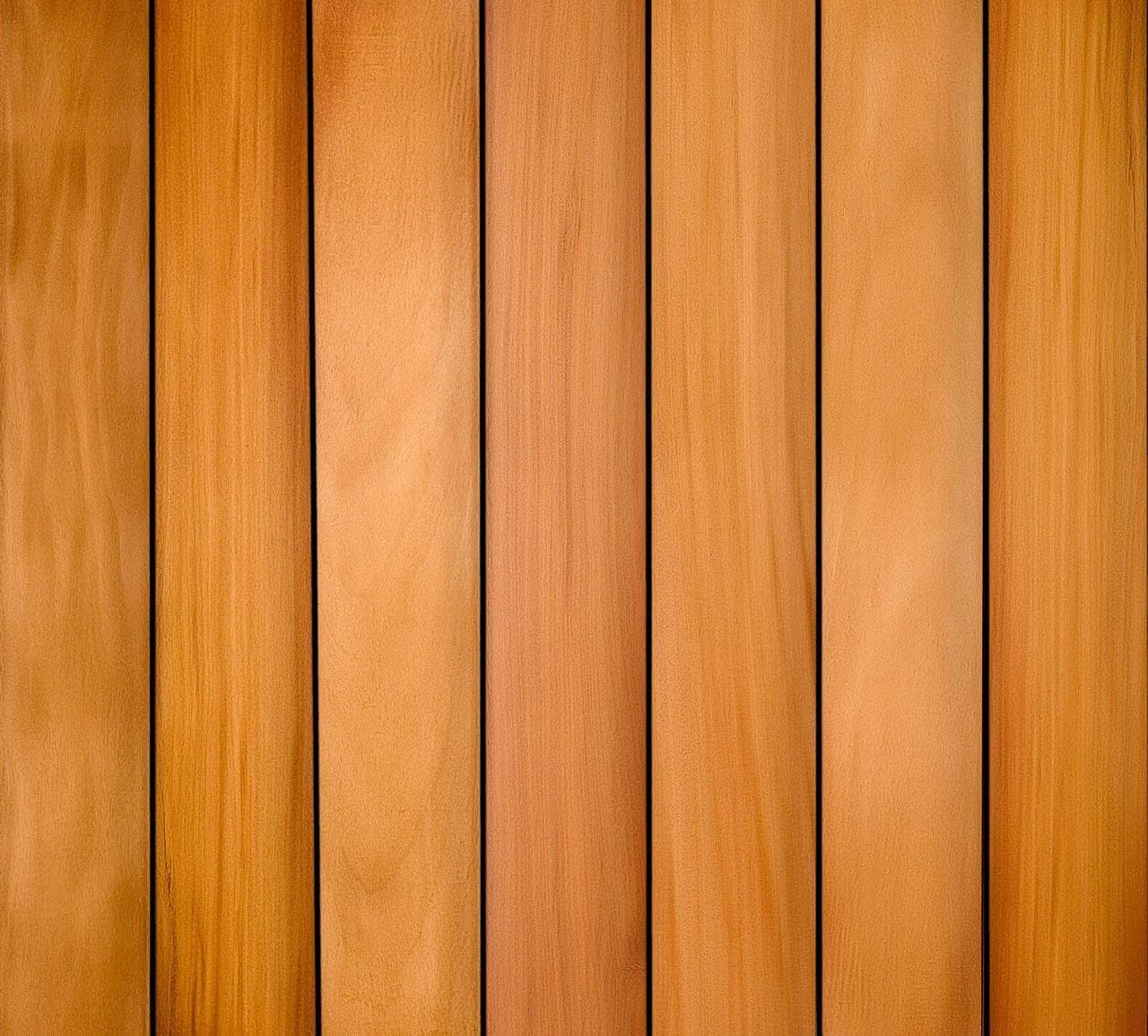
Garapa is a durable hardwood, known for its golden color and natural resistance to rot, decay, and insects. These characteristics make it a suitable choice for outdoor applications, including areas that might interface with ground-level materials.
The standard profile for Garapa decking is 5/4"x6" (actual 1" x 5.5"), available in lengths from 3 to 24 feet. Its robust nature means it can withstand exposure to the elements at the edges of a deck, where it meets other surfaces like concrete, pavers, or soil.
Garapa's golden hue offers a warm, inviting appearance that can complement a range of natural stone or paver colors, as well as green landscaping. Its natural resistance means it does not require constant chemical treatments, which is beneficial when planning its proximity to garden areas.
You can find more information about Garapa decking at our product page: Garapa Decking.
Planning Elevation Changes Between Materials
The most critical aspect of any transition is managing elevation. Ideally, a deck should be slightly elevated above adjacent hardscaping (like patios) and significantly above softscaping (like garden beds) to prevent water accumulation and material degradation.
For a seamless appearance with a patio, aim for the top surface of the Garapa deck boards to be flush or slightly higher (e.g., 1/2 inch) than the patio surface. This small difference can help with drainage off the deck while minimizing a tripping hazard. For softscaping, maintain a more significant difference, typically 4-6 inches, to prevent soil and mulch from contacting the deck structure and boards, which could lead to moisture issues.
Compare this total height to the finished grade of your adjacent surfaces. You may need to adjust the height of your deck frame or the level of your patio/landscaping during construction.
If significant elevation changes are unavoidable, consider incorporating steps, ramps, or terraced garden beds to create a graceful transition rather than an abrupt drop-off.
Designing Edge Details for a Clean Finish
The way the Garapa decking edge meets the adjacent material defines the transition's aesthetic and function. There are several common approaches:
**Flush Edge with Hardscaping:** For a patio or walkway, a picture-frame border using Garapa boards can create a clean, defined edge. The outermost Garapa board runs parallel to the patio, with the ends of the interior deck boards butting against it. This provides a finished look and helps contain the decking.
**Overhang Edge:** The Garapa decking can slightly overhang the edge of the deck frame, creating a drip edge. This is effective for directing water away from the substructure and can work well when transitioning to a lower-grade landscape area or a gravel path.
**Integrated Planters or Retaining Walls:** For transitions to garden beds, consider building integrated Garapa planters or low retaining walls that match the deck material. This creates a cohesive look and provides a clear barrier between the deck and soil. Ensure any wood in direct contact with soil is adequately protected or specified for ground contact.
**Metal Edging or Concrete Curbs:** For a crisp line between a deck and a gravel path or lawn, a metal landscape edge or a poured concrete curb can provide a durable, low-maintenance separation.
When planning, consider how the edge will be supported. Fascia boards made from Garapa can be used to cover the rim joists and provide a finished vertical edge that matches the deck surface.
Explore other decking options like Ipe Hardwood Decking or Composite Decking for comparison.
Managing Drainage and Water Flow
Effective drainage is paramount to the longevity of your Garapa deck and the success of adjacent landscaping. Water should always flow away from the deck structure.
**Surface Grading:** Ensure that any adjacent paved areas or soil are sloped away from the deck. A minimum slope of 1/4 inch per foot is generally recommended for hard surfaces.
**Gravel or Drainage Channels:** Between a deck and a garden bed, a narrow strip of gravel can act as a buffer, preventing soil splash-back onto the deck and improving drainage. For larger areas or where water tends to collect, consider installing a linear drainage channel at the interface.
**Under-Deck Drainage:** If your deck is elevated and you want to keep the area underneath dry (e.g., for storage or a patio below), an under-deck drainage system can capture water that passes through the deck boards and direct it away. While Garapa itself is naturally resistant to moisture, protecting the substructure is always good practice.
When planning, visualize the path of rainwater during a heavy downpour. Identify any potential areas where water might pool against the deck or its supports. Proper planning here will protect your investment and prevent issues like rot or mold.
PVC Decking is another option to consider for areas with significant moisture exposure.
Worked Example: Transitioning a Garapa Deck to a Paver Patio and Garden
Let's consider a hypothetical project: a new Garapa deck (10 ft x 15 ft) to be built alongside an existing 12 ft x 12 ft paver patio, with a new 3 ft wide garden bed on the opposite side of the deck.
**Step 1: Determine Deck Height:** The existing paver patio is finished. We decide the Garapa deck's top surface will be 1/2 inch higher than the patio. We will adjust the substructure to achieve the desired 1/2-inch offset from the patio.
**Step 2: Patio-to-Deck Edge:** Along the 15-foot side facing the patio, we'll use a picture-frame border. The Garapa deck boards will run perpendicular to the patio, with a single Garapa board running parallel along the edge, creating a clean, finished look flush with the patio's edge, but 1/2 inch below the deck surface.
**Step 3: Deck-to-Garden Edge:** On the 10-foot side facing the new garden bed, we want to prevent soil contact. We'll set the deck edge 6 inches above the finished grade of the garden bed. Below this, a 6-inch-wide gravel strip will be laid between the deck and the garden bed to facilitate drainage and prevent soil splash. The garden bed itself will have a slight slope away from the gravel strip.
**Step 4: Drainage Considerations:** For the patio transition, we'll ensure the patio has a slight slope (1/4 inch per foot) away from the deck. For the garden side, the gravel strip and the garden's grading will direct water away from the deck's foundation. The deck itself will have standard spacing between boards to allow water to drain through.
This approach creates distinct transitions that are both functional and aesthetically pleasing, integrating the Garapa deck smoothly into the overall outdoor space.
Before you order
- What is the existing elevation of adjacent patios, walkways, or ground?
- What is the desired finished height of your Garapa deck relative to these surfaces?
- How will water drain away from the deck and its substructure at all transition points?
- What type of edging will you use for each transition (e.g., flush, overhang, fascia board, integrated planter)?
- Are there any existing utility lines or irrigation systems in the transition areas that need to be considered?
- Will any deck materials be in direct contact with soil, and if so, how will they be protected?
- Do local building codes or homeowner association rules have specific requirements for transitions or drainage?
Confirm installation details, approved uses and warranty terms in the current instructions for the exact product and profile. Your installer should verify the substrate, structure and applicable project requirements.
Questions to help you decide
Can Garapa decking be installed directly next to a paver patio?
Yes, Garapa decking can be installed directly next to a paver patio. It's important to plan the elevation so that the deck surface is flush or slightly higher than the patio for drainage and to minimize tripping hazards. Using a picture-frame border with Garapa boards can create a clean, finished edge.
How do I prevent soil and mulch from contacting my Garapa deck?
To prevent soil and mulch from contacting your Garapa deck, maintain a vertical separation of at least 4-6 inches between the deck boards and the finished grade of garden beds. You can also use a gravel strip or an integrated low retaining wall made from Garapa or another suitable material at the deck's edge to create a barrier and assist with drainage.
What is the best way to manage water drainage at a deck-to-landscape transition?
The best way to manage water drainage is to ensure that all adjacent surfaces, whether paved or landscaped, slope away from the deck. Incorporate drainage solutions like gravel strips, linear drains, or proper grading to direct water away from the deck's substructure. This protects both the Garapa decking and the supporting framework from moisture-related issues.
Ready to Plan Your Garapa Deck Transition?
For a material quote tailored to your project dimensions, desired Garapa profile, and ZIP code, please contact us. We can help confirm current product availability and service options to get your project started.
Request a material quote →