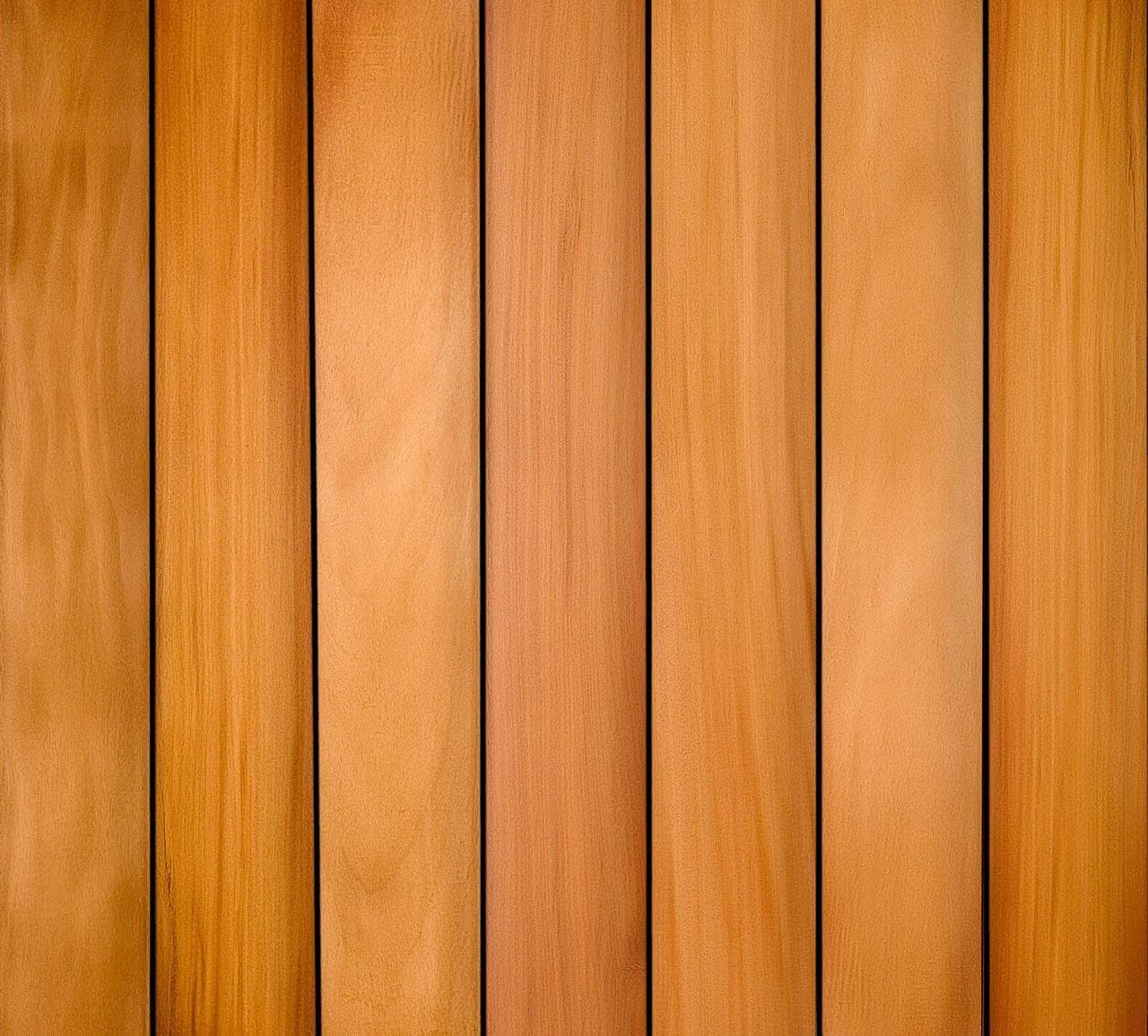
Understanding Garapa Decking Characteristics
Garapa (Apuleia leiocarpa), also known as Brazilian Ash, is a tropical hardwood sourced from Brazil. It is celebrated for its natural golden color, which can elevate the exterior of any home, and its durability.
Garapa is naturally resistant to termites and weather changes, making it a low-maintenance option for outdoor applications. These properties contribute to its stability and resilience, but also mean it can be heavier than some common decking materials it might be replacing. This density is a critical factor when assessing an existing frame's capacity.
This consistent profile helps in planning for board spacing and attachment to the subframe.
Initial Frame Inspection: What to Look For
Before considering Garapa, conduct a comprehensive inspection of your existing deck frame. Start by removing a few of the old deck boards to expose the joists, beams, and posts. Look for any signs of rot, decay, insect damage, or significant warping in the structural members.
Pay close attention to ledger boards attached to your house, as these are critical for the deck's stability. Check for secure attachment, flashing integrity, and any water intrusion. Also, inspect all fasteners for corrosion or loosening. Any compromised structural elements will require repair or replacement before new decking can be installed.
Assessing Joist Spacing for Garapa Decking
The spacing of your existing joists is a primary consideration for Garapa decking. Garapa, like other dense hardwoods, requires specific support to prevent bowing or cupping over time.
This involves sistering new joists alongside existing ones or installing blocking between them to reduce the effective span. This modification is essential to ensure the longevity and stability of your new Garapa deck surface. Failure to provide adequate support can lead to premature material failure and an unsatisfactory deck surface.
Structural Capacity: Weight and Load Considerations
Garapa's density means it will be heavier than many common decking materials like pressure-treated pine or some composite products. You must ensure your existing frame, including beams, posts, and footings, can handle the increased dead load of the Garapa decking, in addition to live loads from furniture, people, and snow.
A qualified builder or structural engineer can assess whether your current frame has sufficient capacity. They will consider the dimensions of your joists and beams, their span, and the condition of the connections and footings. Overloading an existing frame can lead to structural failure, which is a serious safety concern.
Worked Example: Reusing a Frame for Garapa
Consider a hypothetical 10-foot by 12-foot deck. The homeowner wants to replace it with 5/4-inch by 6-inch Garapa decking.
This means additional joists are needed.
Second, the overall weight. Assuming Garapa at 4.11 lbs/bf, and a 10x12-foot area (120 square feet), the decking alone would weigh approximately 493.2 pounds (120 sq ft * 4.11 lbs/bf * 1 board foot per sq ft, assuming 5/4" thickness is roughly 1 board foot per square foot). This is significantly more than typical pine decking. The existing beams, posts, and footings must be verified by a professional to ensure they can support this increased load, along with live loads.
This example highlights that even if the frame appears sound, modifications for joist spacing and a structural review for load capacity are often necessary for a successful Garapa resurfacing project.
Before you order
- Inspect all existing frame components (joists, beams, posts, ledger) for rot, damage, or insect infestation.
- If not, plan for additional joists.
- Assess the structural integrity of the entire frame, including connections and footings, to support the increased weight of Garapa.
- Check for proper flashing and drainage around the ledger board to prevent moisture issues.
- Ensure all fasteners are in good condition and suitable for a new decking material.
- Consider the overall condition and age of the frame – is it worth investing in resurfacing, or is a full rebuild more cost-effective long-term?
- Consult with a qualified contractor or structural engineer for a professional assessment.
Confirm installation details, approved uses and warranty terms in the current instructions for the exact product and profile. Your installer should verify the substrate, structure and applicable project requirements.
Questions to help you decide
What is Garapa decking?
Garapa is a durable tropical hardwood, also known as Brazilian Ash, characterized by its golden color. It has an air dry density of 4.11 lbs/bf.
How do I know if my existing deck frame is strong enough for Garapa?
You need to inspect the frame for any signs of damage, rot, or insect infestation. Because Garapa is denser and heavier than many other decking materials, it is highly recommended to have a qualified contractor or structural engineer assess the entire frame's capacity, including beams, posts, and footings, to ensure it can safely support the new decking and anticipated loads.
What if my joists are spaced too far apart for Garapa?
This usually involves sistering new joists alongside existing ones or installing blocking to reduce the effective span and provide adequate support for the Garapa decking. This modification is critical to prevent bowing or cupping of the new deck boards.
Ready to Transform Your Deck with Garapa?
Request a material quote for Garapa decking with your project dimensions, desired profile, and ZIP code. Confirm current availability and service options for your project.
Request a material quote →