Why Choose Garapa for a Covered Porch?
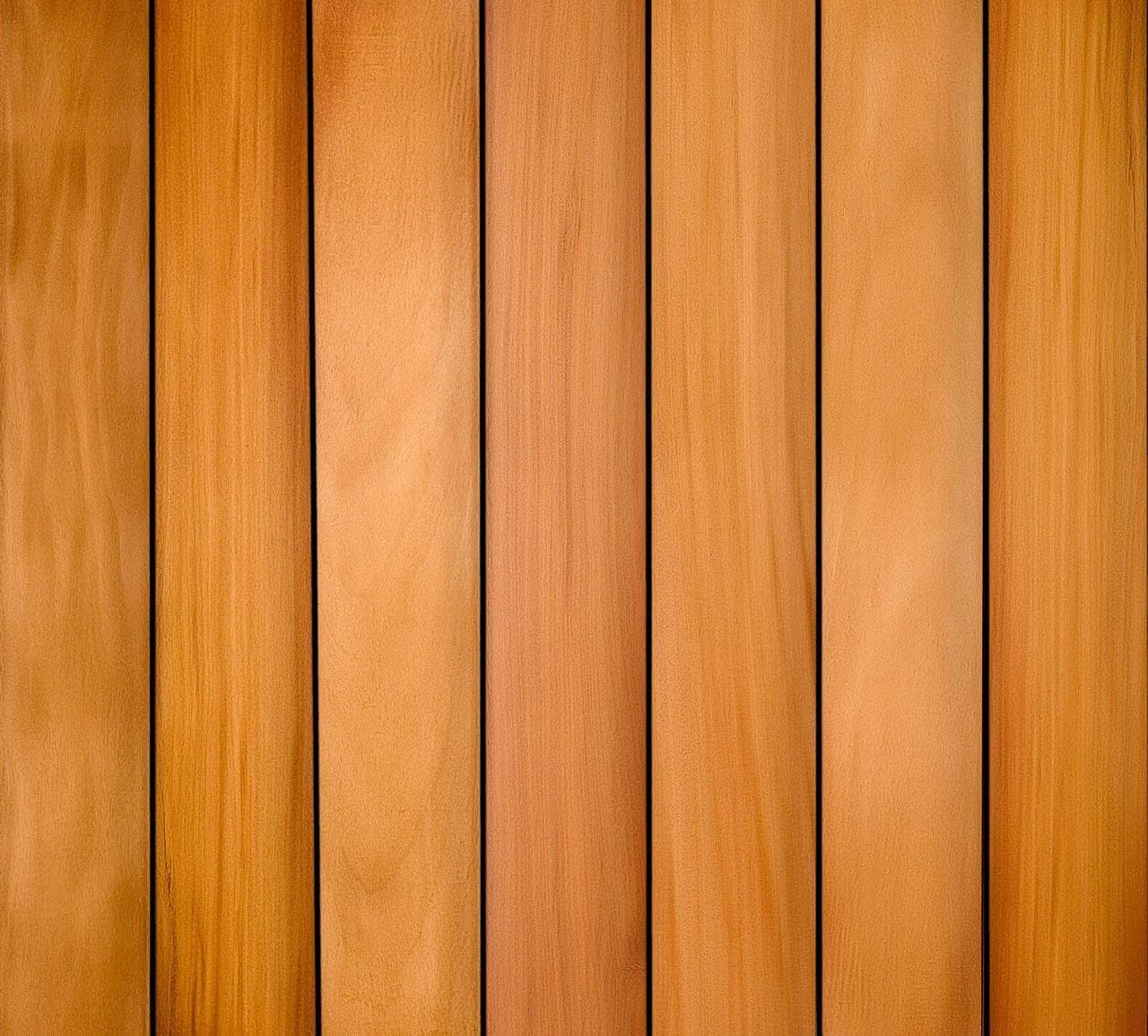
Garapa (Apuleia leiocarpa), often known as Brazilian Ash, is a tropical hardwood recognized for its golden color and inherent resistance to decay, rot, and insects. For a covered porch, these attributes translate into a surface that can withstand environmental factors while maintaining its appearance.
The partially sheltered nature of a covered porch means Garapa will experience less direct exposure to sun and rain compared to an open deck. This can contribute to a more consistent color retention over time, especially if the wood is regularly maintained with a UV-inhibiting finish. Garapa is also noted for being scratch and slip resistant with minimal splintering, offering a comfortable surface for bare feet and general use. Its robust nature and attractive appearance provide a strong foundation for a functional and inviting porch space. It is also resistant to weather changes. (S1)
Coordinating Garapa with Your Home's Exterior
The golden hue of Garapa decking can complement a variety of architectural styles and exterior finishes. When planning your covered porch, consider how the decking will interact with your home's siding, trim, and existing outdoor elements. A natural oil finish can deepen Garapa's golden color and protect it, while allowing the wood's grain to remain visible. Alternatively, allowing Garapa to weather naturally will result in a silvery-gray patina, a look that can be harmonious with certain home aesthetics.
Consider the color of your front door, porch columns, railings, and any outdoor furniture. Garapa's warm tones can create a cohesive look with natural stone or brick accents, or provide a striking contrast against cooler paint colors. Sampling Garapa against your home's exterior materials can help you visualize the final appearance and make informed decisions about finishes and complementary elements.
Managing Thresholds and Transitions
A key design consideration for a covered porch is the transition between the interior of your home and the deck surface. The height difference between your interior flooring and the Garapa decking needs careful planning to ensure a smooth, safe, and accessible threshold. This often involves coordinating with your builder or contractor to ensure proper framing and sub-structure to achieve the desired finished deck height.
For accessibility, aim for minimal steps or a flush transition where possible, especially if the porch is frequently used. Consider the use of a low-profile threshold or a ramp if accessibility is a priority. The precise measurement of the door swing and clearance is also critical to prevent interference with the deck surface. Ensure that any transition materials, such as threshold plates, are compatible with outdoor exposure and complement the Garapa's appearance.
Designing for Furniture and Foot Traffic
A covered porch is often a central gathering spot, so plan your Garapa deck layout with furniture placement and foot traffic patterns in mind. Consider the size and arrangement of your outdoor furniture – dining sets, lounge chairs, or swings – and ensure there is ample space for comfortable movement around them.
Garapa's durability and resistance to scratching make it suitable for areas with frequent use. When arranging furniture, consider using protective pads under legs to prevent any potential scuffing over time, although Garapa is naturally scratch resistant. For areas that will see high foot traffic, such as pathways to a seating area or an entry point, the inherent robustness of Garapa provides a resilient surface. (S1)
Maintenance Considerations for Sheltered Garapa
While Garapa is naturally resistant to rot, decay, and insects, a covered porch environment will still benefit from regular maintenance. The reduced exposure to direct sunlight and rain means that finishes may last longer, but the deck will still accumulate dust, pollen, and potentially mildew in shaded, humid conditions. Regular cleaning with a soft brush and mild, pH-neutral cleaner is recommended to remove debris and prevent build-up.
If you choose to apply a finish, such as a UV-inhibiting oil, to maintain Garapa's golden color, reapplication frequency may be less than for a fully exposed deck. However, periodic inspection is still important to assess the finish's condition and reapply as needed. Allowing Garapa to silver naturally is also an option, in which case cleaning will be the primary maintenance task. (S1)
Hypothetical Porch Project: Dimensions and Material Takeoff
Consider a hypothetical covered porch project that measures 12 feet long by 8 feet wide. This creates a total deck area of 96 square feet. For Garapa decking, a common profile available is 5/4"x6" (actual dimensions approximately 1 inch thick by 5.5 inches wide). These boards are available in various lengths, typically from 3 to 24 feet. (S1)
To calculate the number of boards needed, we first determine how many 5.5-inch wide boards fit across the 8-foot width. 8 feet is 96 inches, so 96 inches / 5.5 inches per board = 17.45 boards. We'll round up to 18 boards to ensure full coverage. Since the porch is 12 feet long, we would need 18 boards, each 12 feet in length. This totals 18 boards * 12 feet/board = 216 linear feet of Garapa decking. It is always recommended to add an additional 10-15% for cuts, waste, and future repairs. For this project, an additional 22-32 linear feet would be prudent, bringing the total to approximately 238-248 linear feet.
Remember that this calculation assumes a simple, straight lay pattern. More complex designs, such as diagonal layouts or picture-frame borders, will require more material and a more detailed cut plan. Always confirm exact dimensions, desired board spacing, and cut allowances with your installer.
Before you order
- Determine the desired finished height of your porch deck relative to interior flooring.
- Select a Garapa finish (natural oil, sealant, or allow to silver) and consider its impact on the home's exterior.
- Plan for furniture placement and traffic flow to optimize space and comfort.
- Confirm board profile and lengths needed, accounting for waste and cuts.
- Consider the overall aesthetic and how Garapa complements other outdoor elements.
- Establish a regular cleaning and maintenance schedule tailored to a covered environment.
Confirm installation details, approved uses and warranty terms in the current instructions for the exact product and profile. Your installer should verify the substrate, structure and applicable project requirements.
Questions to help you decide
Does Garapa need to be sealed on a covered porch?
While Garapa is naturally durable and resistant to decay, applying a UV-inhibiting oil or sealant can help maintain its golden color and provide additional protection. If left untreated, Garapa will naturally weather to a silvery-gray patina. The choice depends on your desired aesthetic and maintenance preferences. Even on a covered porch, regular cleaning is recommended.
How do I prevent mold or mildew on Garapa decking in a covered area?
Mold and mildew can still occur in covered, humid areas. Ensure good ventilation under and around the deck. Regularly clean the Garapa surface with a soft brush and a mild, pH-neutral cleaning solution to remove dirt, pollen, and any organic matter that could promote growth. Avoid standing water and promptly address any areas with persistent moisture.
Can Garapa decking be installed directly over an existing concrete porch slab?
Garapa decking typically requires a suitable substructure for proper ventilation and drainage. Installing directly over a slab without adequate airflow can lead to moisture issues. A sleeper system or a deck frame is usually recommended to elevate the decking, allowing for air circulation and preventing water accumulation. Consult with a professional to ensure the correct installation method for your specific situation.
Ready to Plan Your Garapa Covered Porch?
Request a material quote today. Provide your project dimensions, desired Garapa profile, and ZIP code to confirm current availability and service options for your decking needs. We can help you select the right materials for an enduring and beautiful outdoor space.
Request a material quote →