Understanding Garapa's Properties for Coastal Environments
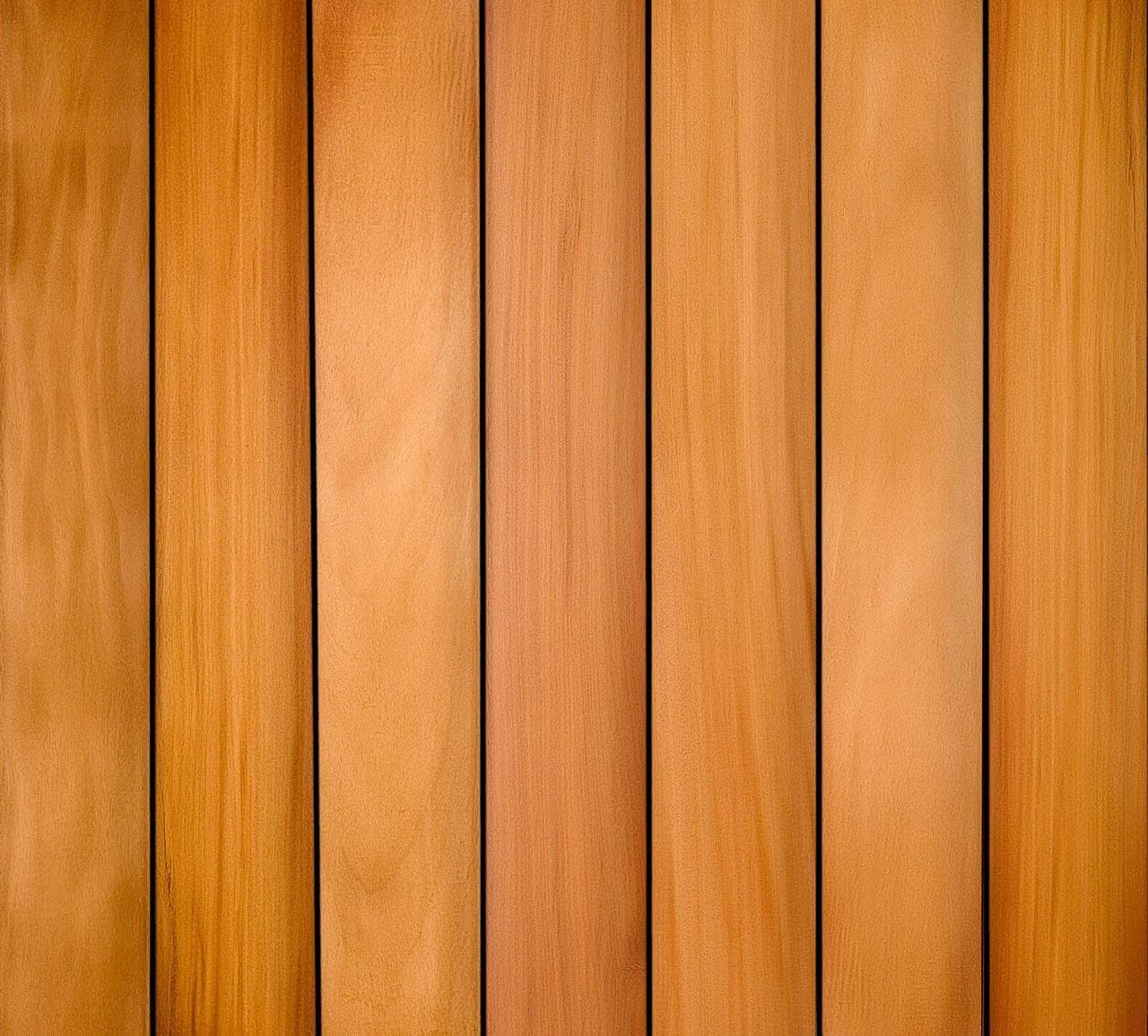
Garapa (Apuleia leiocarpa) is a dense hardwood originating from Brazil, recognized for its golden color that can complement a variety of architectural styles, including those found in coastal settings. Its natural properties include resistance to rot, decay, and insects, which is a significant advantage in humid, salt-laden air where other materials might quickly deteriorate. This inherent durability means Garapa does not require constant chemical treatments to maintain its integrity, simplifying long-term care.
The wood's air dry density of 4.11 lbs/bf contributes to its stability, which is important when dealing with the moisture fluctuations common in coastal areas. While all wood will experience some movement, Garapa's density can help it remain relatively stable. Its reported resistance to weather changes is another factor that makes it suitable for environments where temperature shifts and humidity are prevalent. However, consistent exposure to saltwater can still impact any material, so specific installation and maintenance practices are crucial.
Impact of Saltwater Exposure on Garapa Decking
While Garapa is naturally resistant to decay and insects, direct and prolonged exposure to saltwater spray can still affect its surface appearance over time. Salt can accelerate the weathering process, potentially leading to a more rapid graying of the wood if left untreated. This natural silvering is a common characteristic of many hardwoods when exposed to UV light and weather, but salt can intensify it. If maintaining the golden color is a priority, a suitable UV-inhibiting finish will be necessary.
Salt residue can also accumulate on the deck surface, potentially creating a slightly gritty texture or encouraging the growth of mildew in consistently damp, shaded areas. Regular cleaning with fresh water can help mitigate salt buildup and keep the deck looking its best. It is important to avoid harsh chemicals that could strip natural oils or damage the wood fibers, especially in a coastal environment where material integrity is paramount.
Choosing Compatible Hardware for Coastal Garapa Decks
Standard steel fasteners are highly susceptible to corrosion in saltwater environments, which can lead to unsightly staining on the wood, compromise structural integrity, and eventually cause fastener failure.
Even 304-grade stainless steel may not offer sufficient corrosion resistance in direct salt spray. Always confirm that all metal components, including hidden fastening clips, ledger board fasteners, and any railing hardware, are specified for severe outdoor or marine environments. This investment in high-quality, corrosion-resistant hardware is essential to ensure the longevity and safety of your Garapa deck in a coastal setting.
Installation Considerations for Coastal Climates
Proper ventilation is vital for any deck, but especially for those in humid coastal areas. Adequate airflow beneath the deck helps prevent moisture buildup, which can lead to mold, mildew, and potential wood movement. Ensure that the deck design allows for ample cross-ventilation, and avoid designs that trap moisture against the deck boards or supporting structure. This includes maintaining appropriate spacing between deck boards to allow for drainage and air circulation.
This spacing accommodates natural expansion and contraction due to moisture changes. In coastal areas, where humidity levels can fluctuate significantly, proper gapping helps prevent boards from buckling or cupping. Consider using a permeable weed barrier or gravel base beneath the deck to further manage ground moisture.
Maintenance for Coastal Garapa Decking
While Garapa is naturally resistant, a coastal environment necessitates a proactive maintenance approach. Regular cleaning with fresh water and a soft brush can remove salt deposits, sand, and other debris. For deeper cleaning, a mild, pH-neutral cleaner designed for wood can be used, always followed by a thorough rinse with fresh water.
If you choose to apply a finish to maintain Garapa's golden color, select a high-quality, penetrating oil finish specifically formulated for exterior hardwoods and UV protection. Reapply the finish as recommended by the product manufacturer, as coastal sun and salt can reduce its lifespan. Unfinished Garapa will gradually weather to a silver-gray patina, which some homeowners prefer for a natural, weathered look that blends with the coastal aesthetic.
Worked Example: Garapa Deck for a Coastal Beach House
Consider a hypothetical 12-foot by 20-foot deck for a beach house, situated 50 feet from the ocean. The client desires a durable, low-maintenance deck that can withstand salt spray and intense sun.
For this 240 square foot deck, we need to account for both the decking boards and the necessary hardware. Assuming a conservative waste factor of 10% for cuts and unforeseen issues, and considering the 5.5-inch board width, approximately 525 linear feet of decking would be needed (240 sq ft / (5.5 in / 12 in/ft) * 1.10 waste factor). This would translate to roughly 35 boards of 15-foot length, or a combination of available lengths (3-24 ft) to minimize waste.
The substructure would also need appropriate corrosion-resistant connectors. This example highlights the importance of specifying corrosion-resistant materials for every component, not just the visible decking.
Before you order
- Assess proximity to saltwater: Is the deck subject to direct salt spray or just salty air?
- Determine desired aesthetic: Do you prefer the natural golden tone (requires finish) or a weathered silver-gray patina (low finish maintenance)?
- Plan for ventilation: Ensure adequate airflow beneath the deck to manage coastal humidity.
- Commit to cleaning: Budget time for regular fresh water rinsing to remove salt buildup.
- Consider finish maintenance: If applying a finish, understand the reapplication schedule needed for coastal conditions.
- Review local building codes: Check for any specific material or installation requirements for coastal construction.
Confirm installation details, approved uses and warranty terms in the current instructions for the exact product and profile. Your installer should verify the substrate, structure and applicable project requirements.
Questions to help you decide
Does Garapa decking resist salt damage?
Garapa is a very durable hardwood with natural resistance to rot and decay, making it suitable for challenging environments. While it resists many forms of weather damage, direct and prolonged salt spray can accelerate surface weathering and lead to a more rapid graying of the wood. Regular cleaning with fresh water can help mitigate salt buildup.
What type of fasteners should I use for a Garapa deck in a coastal area?
Standard steel or even 304-grade stainless steel may corrode due to salt exposure, leading to stains on the wood and compromising the deck's structural integrity over time. This applies to all hardware, including screws, clips, and connectors.
Will Garapa decking maintain its golden color in a coastal environment?
Garapa has a natural golden color. However, when exposed to direct sunlight and the elements, especially in a coastal environment with salt and intense UV, it will naturally weather to a silver-gray patina over time if left unfinished. To preserve the golden tone, a high-quality penetrating oil finish with UV inhibitors, specifically formulated for exterior hardwoods, will need to be applied and periodically reapplied.
Ready to Plan Your Coastal Garapa Deck?
Request a material quote for Garapa decking. Provide your project dimensions, desired board profile, and ZIP code to confirm current availability and service options for your coastal home.
Request a material quote →