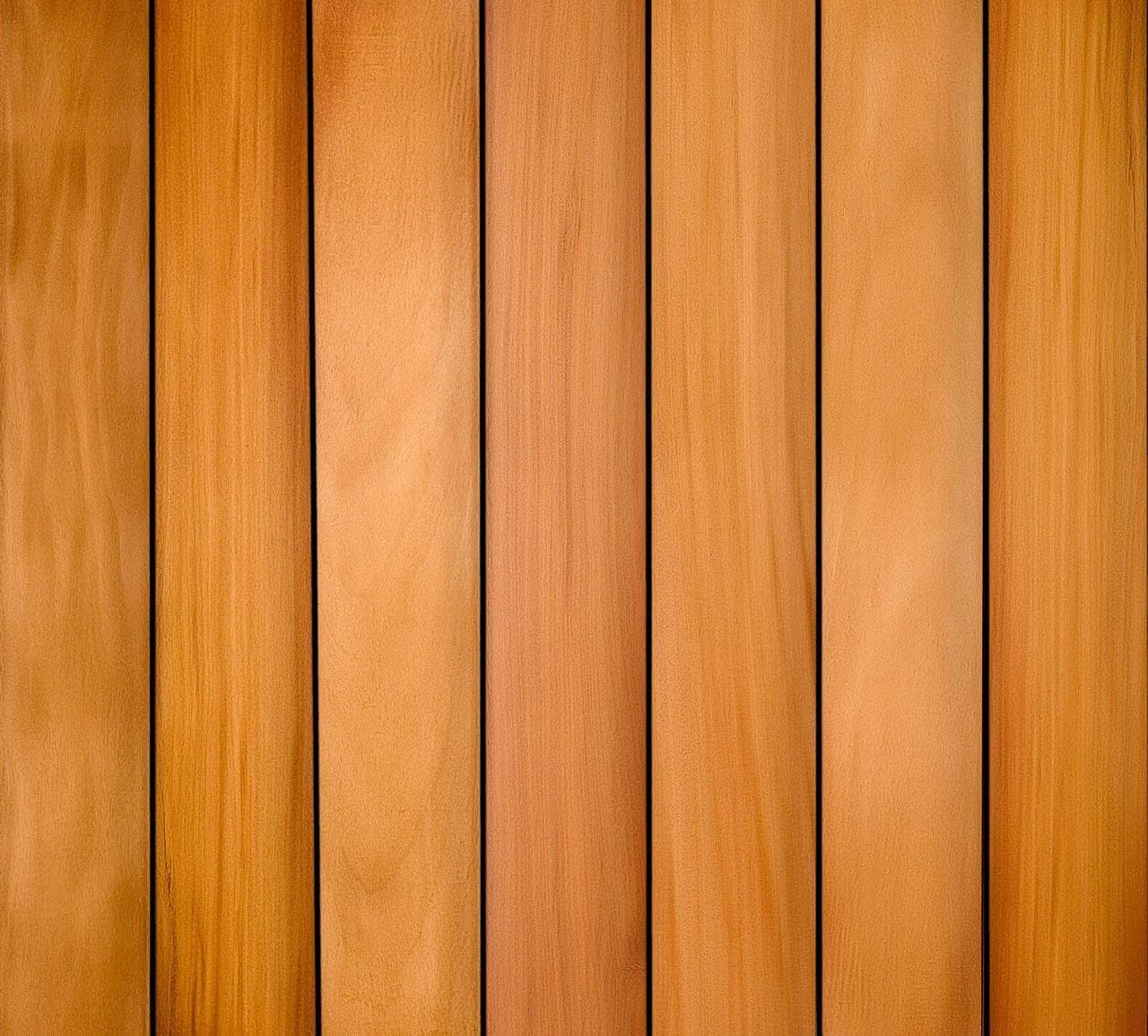
Understanding Garapa Decking Board Characteristics
Garapa decking is celebrated for its natural golden hue, which can enhance the exterior of any home. This hardwood is naturally resistant to termites and weather changes, making it a suitable choice for outdoor applications. It is also known for being easy to work with, though its density and interlocking grain benefit from sharp tools.
The typical profile for Garapa decking boards is 5/4"x6", which translates to a nominal dimension of 1" x 5.5". These boards are available in a range of lengths, typically from 3 to 24 feet. This wide range of available lengths provides flexibility for various deck sizes and design preferences, allowing for both long, continuous runs and more intricate patterns.
Selecting the right lengths is not just about aesthetics; it also affects the structural integrity and longevity of your deck. Proper planning ensures that seams are supported and that the overall deck surface remains stable over time.
Available Garapa Decking Lengths
Garapa decking boards are commonly supplied in lengths ranging from 3 feet to 24 feet. This broad spectrum of lengths is crucial for efficient project planning.
Shorter lengths (3-8 feet) can be useful for smaller sections, intricate patterns, or as cut pieces to complete rows. Medium lengths (10-16 feet) are often ideal for standard-sized decks, allowing for fewer seams across the main deck area. Longer lengths (18-24 feet) are particularly valuable for expansive decks where a continuous, seamless look is desired over significant distances.
When ordering, it's important to specify the desired lengths, keeping in mind that availability may vary. Having a clear cut list and understanding how each board will be utilized helps in placing a precise order and minimizing waste.
Planning Seam Placement for Optimal Appearance and Stability
Seam placement is a critical design consideration for any deck, especially with hardwood like Garapa. Well-planned seams contribute to the deck's visual appeal and structural stability. Here are key principles to follow:
Staggering Seams: Avoid lining up seams in adjacent rows. Staggering them, similar to how floorboards are laid, distributes stress more evenly and creates a more visually appealing, less fragmented surface. A minimum offset of 16 inches is generally recommended, but greater offsets often look better.
Supporting Seams: Every board end, including those at seams, must be fully supported by a joist or blocking. Never allow board ends to float unsupported. This is vital for preventing movement, cupping, and potential failure.
Butt Joints: For Garapa decking, butt joints (where board ends meet) are the most common type of seam. Ensure these joints are tight but allow for the recommended expansion gap if specified by the manufacturer for the particular climate and installation method. Hardwood decking will expand and contract with changes in humidity and temperature.
Joist Spacing: The spacing of your deck joists will dictate where seams can occur. Plan your board lengths to align with these supports.
Visual Flow: Consider the overall visual impact. For a seamless look, try to use longer boards where possible, especially in high-visibility areas. For larger decks, using a combination of lengths to create a random, natural pattern can be very effective.
Worked Example: Designing a 12'x18' Garapa Deck Layout
Let's consider a hypothetical deck measuring 12 feet wide by 18 feet long. We want to minimize seams and create a visually appealing, staggered pattern.
Boards run 18 feet long.
Step 2: Identify Available Lengths. Garapa is available in 3-24 ft lengths. For an 18-foot run, we can use full 18-foot boards or combine shorter lengths.
Step 3: Plan the First Row. For the first row, we'll use an 18-foot board. This covers the entire length of the deck.
Step 4: Plan the Second Row (Staggered Seam). To stagger the seam, we'll use a 10-foot board followed by an 8-foot board. The seam will be at 10 feet from one end.
Step 5: Plan the Third Row (Further Stagger). For the third row, we'll use a 6-foot board, followed by a 12-foot board. The seam will be at 6 feet. Again, all ends and the seam must be supported by joists.
Step 6: Continue the Pattern.
Step 7: Create a Cut List and Quantity Estimate. Based on this pattern, you can create a detailed cut list. For a 12'x18' deck, the area is 216 square feet. If boards are 5.5 inches wide, each linear foot covers approximately 0.458 square feet. Therefore, you'll need roughly 216 sq ft / (5.5 in / 12 in/ft) = 216 / 0.458 = 471.6 linear feet of decking. Add 10-15% for waste and cuts. This example demonstrates how to approach the layout, not a precise material takeoff.
This approach minimizes waste by utilizing various available lengths and ensures that all seams are properly supported and visually appealing.
Considerations for Coastal or Winter Exposure
When planning Garapa decking for specific environments, such as coastal areas or regions with significant winter exposure, board length and seam planning take on added importance.
Coastal Environments: Decks in coastal areas are subjected to high humidity, salt spray, and often strong winds. While Garapa is naturally resistant to weather changes, proper board spacing and secure fastening are crucial. Ensure that expansion gaps at seams are consistent to allow for moisture-related movement without causing buckling or undue stress. Longer boards can reduce the number of potential points of entry for moisture at seams.
Winter Exposure: In areas with cold winters, especially those with freeze-thaw cycles, moisture infiltration and ice formation can be concerns. Again, precise and consistent board spacing, especially at butt joints, is important. Ensuring excellent ventilation beneath the deck can help manage moisture. Planning for drainage and snow load can also influence how seams are designed and supported.
Complementary Products for Your Garapa Deck
Beyond the decking boards themselves, consider these complementary products to complete your Garapa deck project:
Decking Fasteners: For a clean, fastener-free surface, explore hidden fastening systems. These typically involve clips that secure the boards to the joists from the side, providing a smooth finish. Alternatively, face-fastening with appropriate stainless steel screws is a durable option.
Fascia and Trim: Use matching Garapa fascia boards to finish the perimeter of your deck, creating a polished look that conceals the joist ends. Trim pieces can also be used for stair risers or other architectural details.
Posts and Railings: While Garapa is excellent for the deck surface, consider other durable hardwoods like Ipe for structural elements such as posts and railings, especially if you desire a different aesthetic or require specific structural properties.
Sealants and Finishes: To maintain Garapa's golden color, consider applying a UV-inhibiting oil finish. If you prefer the natural silver-gray patina that Garapa will develop over time, minimal finishing is needed, but a sealant can still offer protection.
Before you order
- What are the exact dimensions of your deck (length and width)?
- Which direction will the decking boards run?
- Do you prefer a random staggered seam pattern or a more uniform look?
- What are the longest available Garapa board lengths from your supplier?
- How will you support all board ends and seams?
- Have you accounted for a 10-15% waste factor in your material estimate?
- Are there any specific environmental factors (coastal, winter) that might influence your layout?
- Do you plan to use hidden fasteners or face fasteners, and how does this affect board spacing?
- Have you considered matching fascia and trim for a finished look?
Confirm installation details, approved uses and warranty terms in the current instructions for the exact product and profile. Your installer should verify the substrate, structure and applicable project requirements.
Questions to help you decide
What is the typical lifespan of Garapa decking?
It offers natural resistance to rot, decay, and insects, reducing the need for constant chemical treatments.
Does Garapa decking need to be sealed or stained?
Garapa has a natural golden color. To maintain this color, it is recommended to apply a UV-inhibiting oil finish. If left untreated, Garapa will naturally weather to a silver-gray patina over time, similar to other hardwoods.
Can I mix different board lengths on my deck?
Yes, mixing different board lengths is common and often recommended. It allows for efficient material use, helps create a natural, staggered seam pattern, and can minimize waste. Just ensure all board ends are properly supported by joists or blocking.
Ready to Plan Your Garapa Decking Project?
Request a material quote today. Provide your project dimensions, desired Garapa profile (e.g., 5/4"x6"), and your ZIP code to confirm current availability and service options. Our team can help you finalize your cut list and order.
Request a material quote →