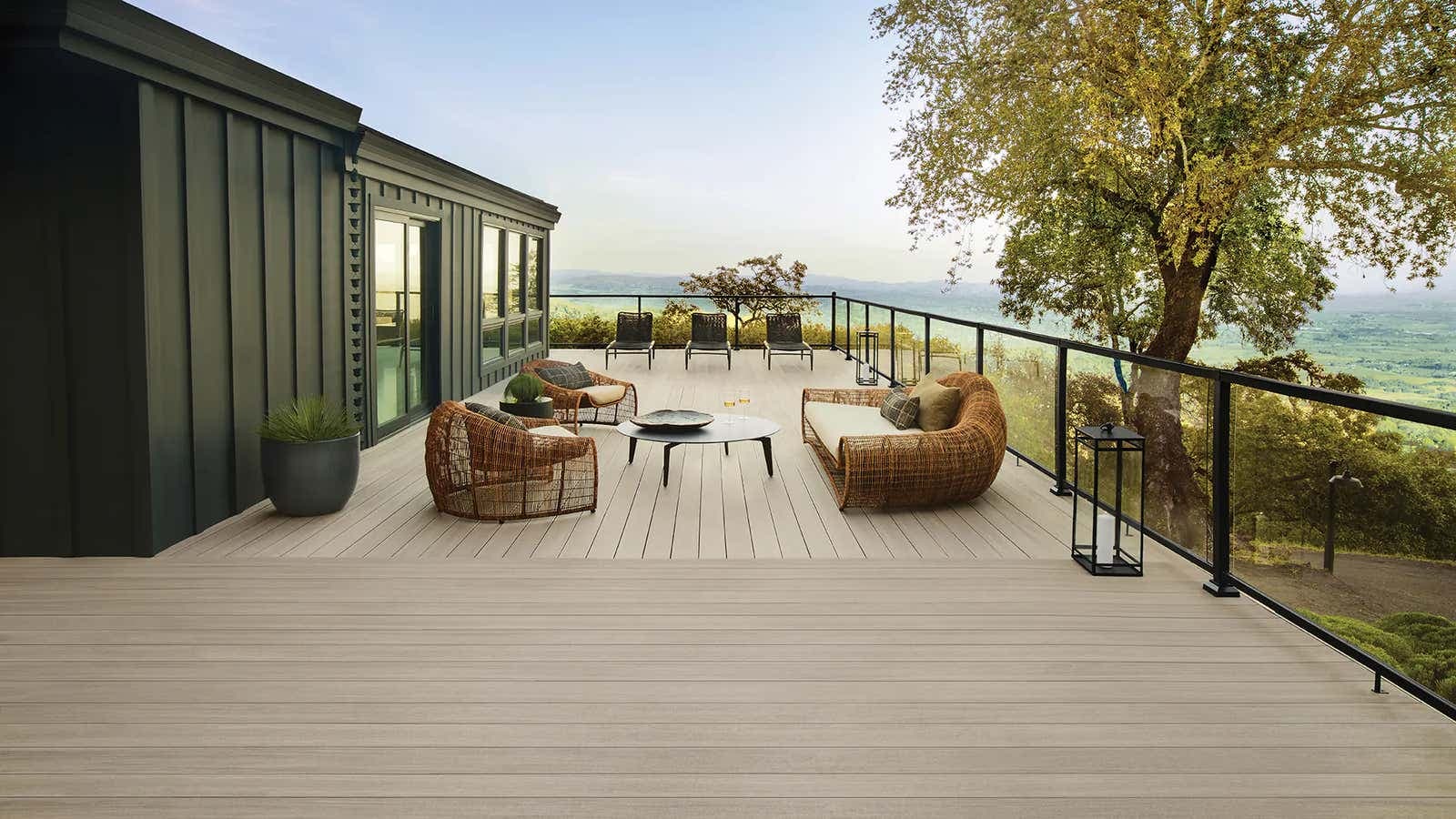
Maximizing Usable Space in Small Areas
In compact outdoor spaces, efficiency is key. Every element, including your decking, should contribute to the functionality and aesthetic appeal without overwhelming the area. Composite decking, available in various board widths and profiles, allows for design flexibility that can visually expand a small space or define distinct zones.
Consider how the decking will interact with other features like planters, built-in seating, or railings. Using a consistent board direction can create a sense of flow, while a diagonal pattern might introduce visual interest and make a narrow space feel wider. The choice of board length can also minimize seams, leading to a cleaner, more continuous look that benefits smaller areas.
Understanding Composite Decking Collections and Support
Composite decking is available from manufacturers like Trex, TimberTech, and Fiberon, each offering distinct collections with varying profiles, colors, and performance characteristics. These collections often include specific recommendations for joist spacing and fastening methods, which are crucial for proper installation.
For compact spaces, understanding the structural support requirements is particularly important. Verify the manufacturer's recommended joist spacing for the specific composite board profile you choose. Some collections may allow for wider joist spacing than others, which could impact the sub-structure design, especially if you are building over an existing concrete slab or a limited-access area. Always consult the product's official installation guide for precise details on supports and gaps.
Many composite decking options feature capped shells, designed to resist fading and staining, and some even offer cooler-underfoot options. These features can be particularly beneficial in compact spaces that might experience varying sun exposure throughout the day, or where the deck serves as a primary gathering spot.
Project Access and Logistics in Milwaukee
For projects in urban or densely populated areas of Milwaukee, job site access can be a significant logistical consideration. Large deliveries of decking materials require adequate space for trucks and unloading. If your project is on a second-story balcony or a rooftop, planning for material hoisting or carrying may be necessary.
Composite decking boards are typically available in standard lengths. While they can be cut to size, minimizing waste and managing offcuts in a small space is essential. Discuss delivery options and any potential access challenges with your supplier when ordering. Confirming current lines, colors, and delivery timing with a local branch can help streamline your project.
Worked Example: A 10x8 Foot Balcony Deck
Consider a hypothetical 10-foot by 8-foot balcony deck in a Milwaukee apartment building. The goal is to replace an old concrete surface with low-maintenance composite decking. Assuming a standard composite board width of 5.5 inches and a length of 12 feet, we can estimate material needs.
For a 10-foot deck length, running the boards parallel to the 8-foot dimension (shorter side) minimizes cuts. This means each board will be 8 feet long. A 10-foot width divided by 5.5-inch board width (10 feet = 120 inches; 120 inches / 5.5 inches A 21.8 boards, so 22 boards). You would need 22 boards, each 8 feet long. Since boards are sold in 12-foot lengths, you would purchase 22 boards. Each 12-foot board yields one 8-foot section, with a 4-foot offcut. These offcuts might be useful for a picture frame border if desired, otherwise they are waste. This illustrates how even in a compact space, board length choices impact material efficiency and waste.
If using a pedestal system over the concrete, ensure the chosen composite decking is compatible with that system and follow all manufacturer guidelines for installation gaps and fastening.
Maintenance Considerations for Compact Spaces
One of the primary advantages of composite decking, especially in compact outdoor areas, is its relatively low maintenance. Unlike natural wood, composite decking does not require sanding, staining, or sealing. Most composite surfaces can be cleaned with a simple soap-and-water wash.
This reduced maintenance is particularly beneficial in smaller spaces where access for extensive upkeep might be challenging, or where you want to maximize leisure time. While composite decking is designed for durability, regular cleaning helps maintain its appearance and prevents the buildup of dirt or mildew, which can be more noticeable in a confined area.
Before you order
- Measure your compact space precisely, including any irregular angles or obstructions.
- Consider the primary function of the space (dining, lounging, gardening) to inform layout and board direction.
- Research different composite decking collections from Trex, TimberTech, or Fiberon to compare profiles, colors, and support requirements.
- Verify the manufacturer's recommended joist spacing and fastening methods for your chosen composite product.
- Plan for material delivery and job site access, especially if working on an upper-level or restricted urban site.
- Estimate material quantities, considering board lengths and potential waste in a compact layout.
- Factor in any trim, fascia, or railing components needed to finish the edges of your compact deck.
- Confirm compatibility if installing over an existing surface (e.g., concrete) with pedestals or sleepers.
Confirm installation details, approved uses and warranty terms in the current instructions for the exact product and profile. Your installer should verify the substrate, structure and applicable project requirements.
This is a planning guide for projects in Milwaukee, WI. Ask our team to confirm availability, delivery to your ZIP code and which branch can support your order.
Questions to help you decide
Can composite decking be installed directly over an existing concrete patio or balcony?
Installing composite decking directly over concrete typically requires a sub-structure, such as sleepers or a pedestal system, to ensure proper drainage and ventilation beneath the deck boards. This prevents moisture buildup and allows for the necessary fastening of the composite material. Always follow the specific installation guidelines for your chosen composite decking product and sub-structure system.
What are the best composite decking colors for a small space?
Lighter colors can often make a small space feel larger and more open by reflecting light. However, the best color choice also depends on your home's exterior, surrounding landscaping, and personal aesthetic. Many composite brands offer a range of consistent colors and grains. Consider obtaining samples to see how they look in your specific lighting conditions.
How do I calculate the amount of composite decking needed for a small project?
To calculate, first measure the total square footage of your deck area. Then, determine the square footage of a single composite board (e.g., a 5.5-inch wide, 12-foot long board is 5.5/12 feet * 12 feet = 5.5 square feet). Divide your total deck area by the area of one board to get a preliminary board count. Always add 5-10% for cuts, waste, and any unexpected issues, especially with complex layouts or when working in tight spaces where offcuts might not be reusable. Consider board lengths carefully to minimize seams and optimize cuts.
Ready to Plan Your Milwaukee Compact Deck Project?
Request a material quote with your project dimensions, desired composite profile, and project ZIP code. We can help confirm current availability and service options for your compact outdoor space.
Request a material quote →