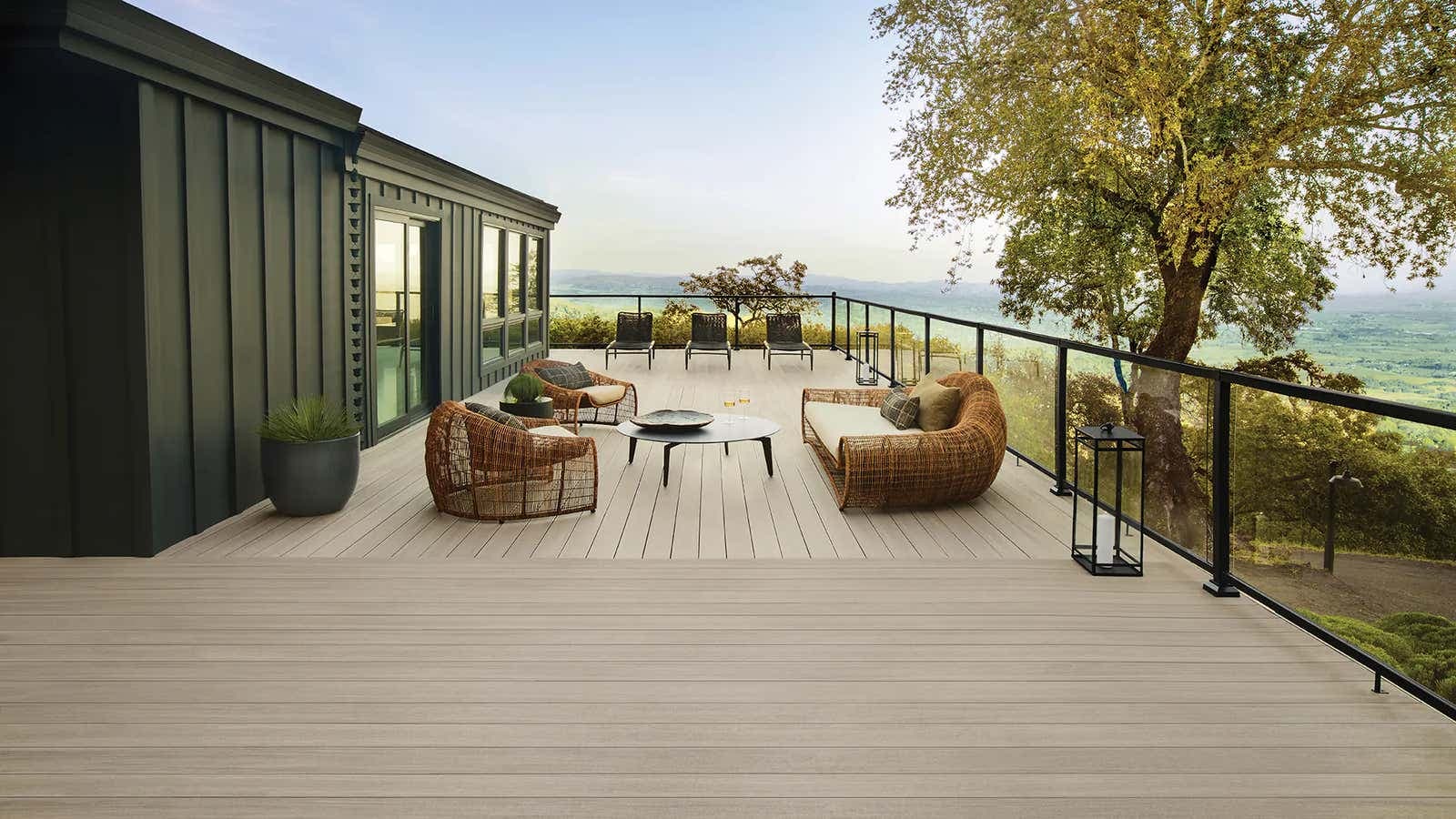
Maximizing Usable Space with Composite Decking
In compact outdoor areas, the goal is often to create a sense of openness and utility without overcrowding. Composite decking, available in various widths and lengths, allows for flexible design. Narrower boards can sometimes make a small space feel larger by increasing the perceived number of lines, while wider boards might create a more expansive, uninterrupted look. Consider the overall dimensions of your space and how the decking pattern will interact with adjacent elements, such as planters, seating, or privacy screens.
The consistent dimensions and uniform finish of composite boards also contribute to a clean, uncluttered aesthetic, which is beneficial in smaller areas. Unlike some natural wood options, composite decking offers a predictable appearance, ensuring that each board contributes to a cohesive visual flow. This consistency can be particularly valuable when aiming for a modern or minimalist design in a tight space.
Choosing the Right Composite Decking Profile
Composite decking comes in different profiles, which refers to the shape and structure of the board. For compact spaces, the profile can impact not only the appearance but also the installation and long-term performance.
Solid profiles offer a denser feel and can be advantageous where edges might be visible or subject to more wear. Capped composite boards, which feature a protective polymer shell, are designed to resist fading and staining, a useful attribute in areas that might experience varied sun exposure or accidental spills from outdoor dining. These 'cooler-underfoot options' are also available, which can be a consideration for sun-exposed areas in Columbia, SC. (S1)
Hollow or scalloped profiles are lighter and can sometimes be easier to handle during installation, which might be a factor in tight access situations. However, always confirm the specific support requirements for any chosen profile, as they may differ. The manufacturer's guidelines for joist spacing and fastening are critical for ensuring stability and longevity, regardless of the board's internal structure.
Navigating Project Access and Logistics
Compact outdoor spaces often present unique logistical challenges. Limited access through gates, narrow pathways, or elevators can complicate the delivery and staging of materials. When planning your composite decking project, consider how full-length boards will be transported to the installation site. Some composite boards are available in various lengths, which might allow for more manageable pieces in constrained areas.
Staging materials efficiently is also key. Unlike some natural materials that might require extensive acclimatization, composite decking generally arrives ready for installation. However, having a clear plan for where boards will be stored temporarily, where cutting will occur, and how waste will be managed can prevent bottlenecks and maintain a tidy, safe workspace, especially important when working in close proximity to neighbors or public areas.
Worked Example: A 10x8 Foot Balcony Deck
Consider a hypothetical balcony project in Columbia, SC, measuring 10 feet wide by 8 feet deep. The goal is to create a functional outdoor area with composite decking. Let's assume we choose a standard 12-foot length composite board, approximately 5.5 inches wide, with a solid profile. The balcony structure can support a new deck surface.
To cover the 8-foot depth, each 12-foot board can be cut into one 8-foot section and one 4-foot offcut. If the boards are laid parallel to the 10-foot width, you would need approximately 22 boards (10 feet / 5.5 inches = ~21.8 boards, rounded up). Since boards are 12 feet long, each board yields one 8-foot piece for the main deck. Therefore, you would need 22 boards. The 4-foot offcuts could potentially be used for a picture frame border or other small features, if compatible with the design and structural requirements. This approach minimizes waste while ensuring full coverage. Always confirm the exact dimensions of your chosen boards and any required spacing when calculating quantities.
For this project, delivery would need to account for the 12-foot board length and any access restrictions to the balcony. If the balcony is on an upper floor, a clear path for vertical transport is crucial. Tools and equipment would also need to be compact enough to maneuver in the confined space.
Complementary Materials for Compact Spaces
In addition to composite decking, consider other materials that can enhance a compact outdoor space without overwhelming it. For railings, slender aluminum or cable rail systems can offer safety without obstructing views, making the area feel more open. Integrated lighting, such as LED strip lights under deck railings or along steps, can extend the usability of the space into the evening without requiring bulky fixtures.
Planters, outdoor furniture, and privacy screens should also be selected with scale in mind. Lightweight, multi-functional pieces can be particularly effective. For example, a bench with integrated storage can serve as both seating and a place to stow cushions or gardening tools. Thoughtful integration of these elements ensures that your composite deck becomes a cohesive and highly functional extension of your living space.
Before you order
- Measure the exact dimensions of your compact outdoor space, including any irregular angles or obstructions.
- Assess access points for material delivery (gates, elevators, stairwells) and plan for staging materials.
- Consider the desired aesthetic: Do you prefer a modern, traditional, or minimalist look?
- Evaluate composite decking profiles (solid, capped, hollow) based on durability, appearance, and installation ease for your specific project.
- Determine board width and length options that best suit your space and minimize cuts/waste.
- Factor in local weather conditions in Columbia, SC, such as sun exposure, and consider 'cooler-underfoot' options if applicable.
- Plan for any complementary features like railings, lighting, or built-in seating.
- Verify the manufacturer's specific installation guidelines for joist spacing and fastening for your chosen composite decking product.
- Request a material quote with exact project dimensions, preferred profile, and your project ZIP code.
Confirm installation details, approved uses and warranty terms in the current instructions for the exact product and profile. Your installer should verify the substrate, structure and applicable project requirements.
This is a planning guide for projects in Columbia, SC. Ask our team to confirm availability, delivery to your ZIP code and which branch can support your order.
Questions to help you decide
Can composite decking be installed over an existing concrete patio in a compact space?
Installing composite decking over an existing concrete patio is possible, but it requires careful planning. You'll need to ensure proper drainage and ventilation beneath the deck. Typically, a sleeper system or adjustable pedestals are used to create a level subframe and allow for airflow. Always consult the specific manufacturer's instructions for the chosen composite decking product to ensure compatibility and proper installation methods.
How do I clean composite decking in a small area?
Composite decking is designed for low maintenance. Generally, a simple wash with soap and water is sufficient for cleaning. For tougher spots, follow the manufacturer's recommendations for approved cleaning products. Regular cleaning helps prevent the buildup of dirt, pollen, and mildew, which is especially important in compact spaces where airflow might be more limited. Avoid pressure washers unless explicitly approved by the manufacturer, and always use them on the lowest setting and at a safe distance to prevent damage. (S1)
What are the common board lengths available for composite decking?
Composite decking boards are commonly available in lengths such as 12, 16, and 20 feet. The specific lengths offered can vary by manufacturer and product line. For compact outdoor spaces, selecting the optimal board length can help minimize waste and simplify handling, especially if access is restricted. It's advisable to check the available lengths for the specific composite decking you are considering when planning your project. (S1)
Ready to Plan Your Compact Outdoor Deck in Columbia, SC?
Start your composite decking project by requesting a material quote. Provide your project dimensions, desired composite decking profile, and project ZIP code to confirm current availability and service options for your Columbia, SC location.
Request a material quote →