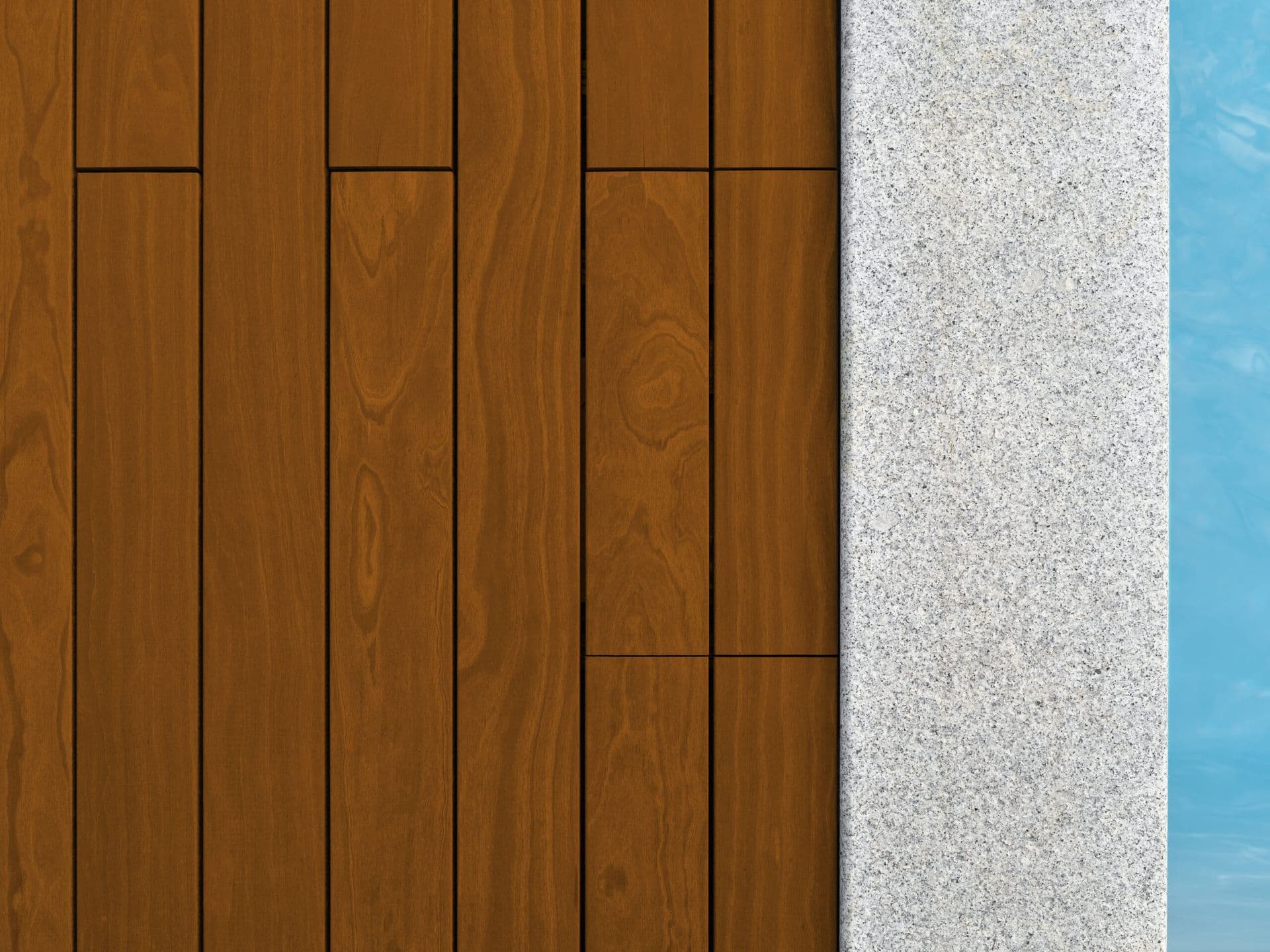
Understanding Maximo Accoya as a Modified Wood
Maximo Accoya is a modified wood product, engineered to offer enhanced stability and durability compared to many traditional timber species. The modification process aims to create a material designed to resist common issues such as warping, twisting, and cupping, which can be particularly challenging in demanding exterior installations. This inherent stability makes it a suitable choice for various applications where consistent performance is a priority.
The core appeal of Maximo Accoya lies in its ability to offer the aesthetic of real wood while providing a performance-focused material option. It's designed to simplify ownership by potentially reducing certain maintenance concerns associated with less stable wood products, without abandoning the natural look and feel of wood. This balance makes it a consideration for projects seeking both material authenticity and long-term reliability.
Identifying Available Profiles and Dimensions
Maximo Accoya is available in various profiles tailored for specific applications, including decking, cladding, trim, and molding. The exact dimensions for each profile can vary. For example, a decking profile will typically have different width and thickness specifications than a siding profile intended for a rainscreen system.
When planning your project, it is crucial to specify the precise profile and corresponding dimensions required. Standard profiles might include tongue-and-groove for cladding, or specific board widths and thicknesses for decking. The availability of custom milling options means that while there are standard offerings, project-specific dimensions may also be possible, subject to consultation and order requirements. Always confirm the exact profile and nominal dimensions for your chosen application.
Considering Intended Applications and Limitations
Maximo Accoya is presented as a versatile material suitable for a range of exterior and interior uses, including decking, siding, ceilings, windows, doors, trim, and molding. This broad applicability stems from its modified wood properties, which aim to provide dependable stability and a long service life.
However, suitability for a particular application is always conditional on adhering to manufacturer guidelines and local building codes. For instance, while it can be used for decking, the specific sub-structure and fastening methods will be critical. For cladding, considerations like ventilation and rainscreen assemblies are important. Always verify that the chosen profile and installation method are approved for your specific project type and environmental conditions. Maximo Accoya is a material; its performance depends on the entire assembly it is part of.

Appearance and Color Options
Maximo Accoya offers several appearance options to suit different design aesthetics. These include Maximo Accoya Grey, which can provide a weathered, contemporary look; Maximo Accoya Ipe Brown, offering the visual depth often associated with tropical hardwoods; and Maximo Accoya Natural, which presents the original Accoya appearance as a clean, adaptable starting point.
It is important to understand that digital color representations serve as references only. The actual appearance of the wood, especially how it might weather over time, can differ. To ensure the final selection meets your expectations, always request a current physical sample to confirm the color and grain before placing an order. This step helps to align the material's visual qualities with your design vision.
Worked Example: Siding a Small Accent Wall
Consider a hypothetical project: an exterior accent wall measuring 10 feet wide by 8 feet high, using Maximo Accoya cladding. Let's assume the chosen profile is a nominal 5.5-inch wide (actual 5.125-inch coverage) tongue-and-groove board, available in 12-foot lengths.
First, calculate the total area: 10 ft * 8 ft = 80 square feet. Next, determine the coverage per linear foot for the chosen board: 5.125 inches / 12 inches/foot = 0.427 feet of coverage per linear foot. To cover 80 square feet, you would need approximately 80 sq ft / 0.427 ft = 187.35 linear feet of material.
Since boards come in 12-foot lengths, you'd divide 187.35 linear feet by 12 feet/board, which equals 15.61 boards. Rounding up to the nearest whole board, you'd need to purchase 16 boards. This calculation does not account for waste from cuts, trimming, or future repairs, which typically requires adding an overage (e.g., 10-15%). For this example, with a 10% waste factor, you would consider ordering 18 boards (16 * 1.10 = 17.6, rounded to 18). Always confirm exact coverage and recommended waste factors with your material supplier.
This example illustrates the importance of understanding actual coverage dimensions versus nominal sizes and planning for standard lengths and waste. The specific fastening system and any required furring strips or rainscreen components would be separate considerations, each with its own specifications.
Before you order
- Confirm the exact Maximo Accoya profile and its nominal and actual dimensions.
- Verify the chosen profile is suitable for your intended application (e.g., decking, siding, trim).
- Request physical samples to confirm color and grain before finalizing your order.
- Calculate the required linear footage, accounting for board lengths and a waste factor.
- Review installation guidelines for the chosen profile and application, including fastening and sub-structure requirements.
- Identify any complementary products needed, such as fasteners, sealants, or finishes.
- Confirm delivery logistics and on-site storage requirements for the material.
Confirm installation details, approved uses and warranty terms in the current instructions for the exact product and profile. Your installer should verify the substrate, structure and applicable project requirements.
Questions to help you decide
What is the difference between nominal and actual dimensions for Maximo Accoya?
Nominal dimensions are the stated or traditional sizes, often used for general reference (e.g., "6-inch board"). Actual dimensions are the precise, measured sizes of the finished product after milling (e.g., 5.5 inches for a "6-inch" board). It is critical to use actual dimensions for accurate quantity takeoffs and project planning, especially for coverage calculations.
Can I use Maximo Accoya for both interior and exterior projects?
Maximo Accoya is described as suitable for both exterior and interior applications, including decking, siding, ceilings, windows, doors, trim, and molding. Its modified wood properties are designed to offer stability and durability across these uses. However, specific profiles and finishes might be more appropriate for one setting over another, so always confirm suitability for your particular project with the chosen profile.
How important are physical samples when choosing Maximo Accoya?
Physical samples are highly important. Digital images can vary significantly in color and texture representation due to screen differences and lighting. A physical sample allows you to see the true color, grain pattern, and how the material might appear in your project's lighting conditions, ensuring your final selection aligns with your design expectations before ordering.
Ready to Specify Your Maximo Accoya Project?
To get a material quote for your project, please provide your project dimensions, desired Maximo Accoya profile, and ZIP code. We can also confirm current availability and service options for your area. Explore our related product offerings like siding and cladding, thermally modified wood, and products from NORX to complete your design.
Request a material quote →