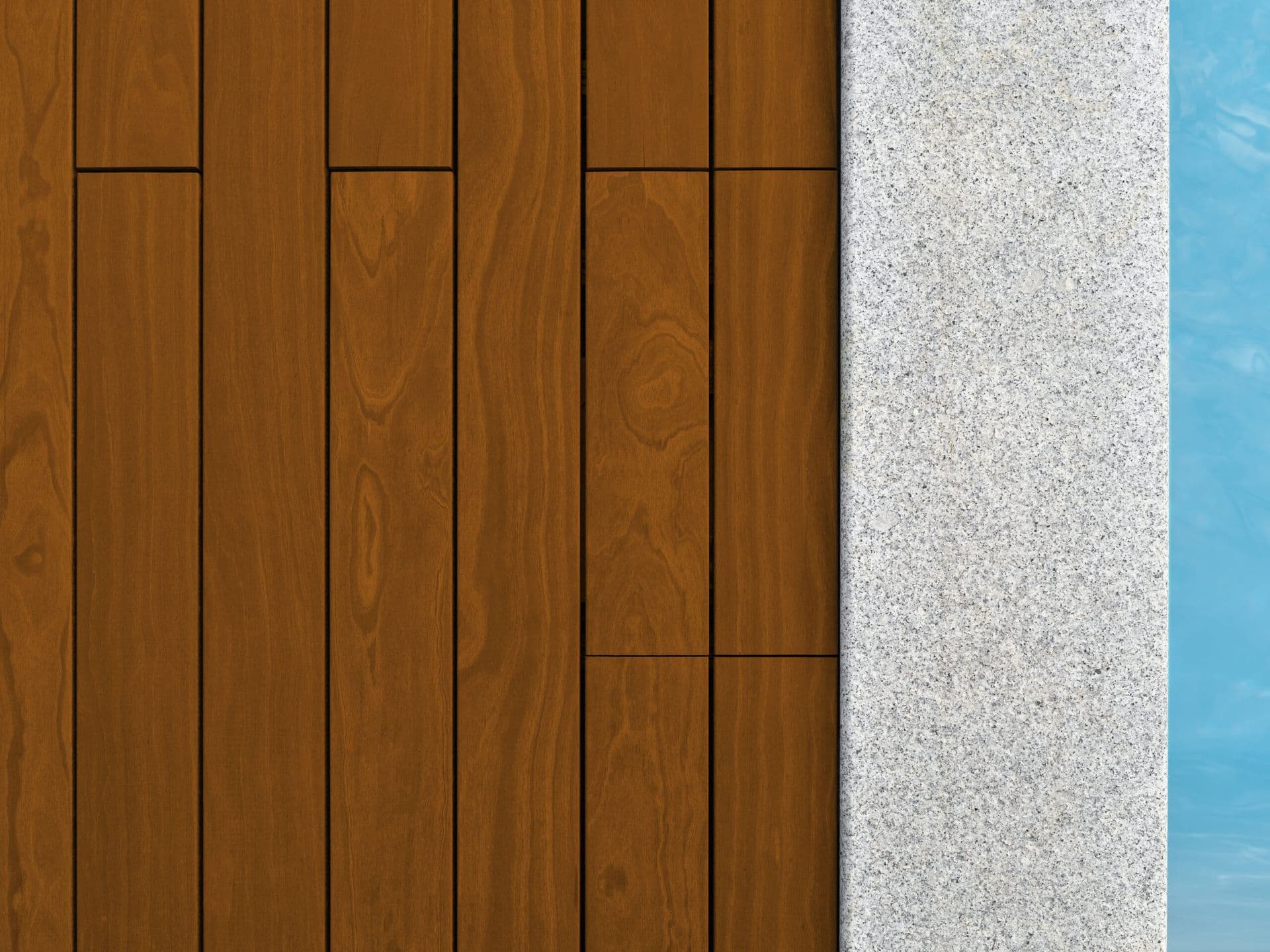
Material Takeoff: Maximo Accoya Quantity
The first step in budgeting is an accurate material takeoff. This involves calculating the precise quantity of Maximo Accoya needed for your specific application. Whether you are planning for decking, siding, or trim, measure the total area or linear footage. Remember to account for waste due to cuts, miscalculations, or unforeseen issues. A general rule of thumb is to add 10-15% to your net material calculation for waste, though complex designs or patterns may require more.
For siding applications, consider the specific profile (e.g., shiplap, tongue-and-groove) and how it will cover the wall. Each profile has a different effective coverage width, which is often less than its nominal width. For decking, calculate the total square footage, then factor in the width of the boards and the recommended spacing between them. Always review the product specifications for exact dimensions and coverage details.
Required Accessories and Fasteners
Beyond the primary Maximo Accoya boards, your project will require various accessories. This often includes fasteners, such as screws or clips, appropriate for the specific application and exposure. For exterior siding, a rainscreen system may be necessary, involving furring strips, insect screens, and weather-resistive barriers. Decking projects will need joists, ledger boards, and potentially railing components.
Consider specialized finishes or sealants recommended for Maximo Accoya, especially if you aim to maintain a particular appearance or enhance its natural aging process. These items, though seemingly minor, can accumulate and significantly impact your overall budget. Always specify the type of fasteners and any other ancillary materials to ensure compatibility and performance.
Labor Costs: Professional Installation or DIY?
Labor costs represent a substantial portion of any construction project budget. If you plan to hire a contractor, obtain multiple detailed bids that clearly outline the scope of work, timeline, and associated labor charges. These bids should itemize tasks such as surface preparation, installation of substructures, Maximo Accoya installation, and any finishing work.
For DIY projects, while you save on professional labor fees, you must account for your own time, potential tool rentals, and the learning curve. Even for DIY, it's wise to budget for professional consultations for complex aspects, such as structural considerations for a deck or proper rainscreen assembly for siding. The complexity of Maximo Accoya applications, from precise cuts to specific fastening methods, can influence labor time.

The Contingency Fund: Preparing for the Unexpected
No project budget is complete without a contingency fund. This is a dedicated portion of your budget set aside for unforeseen expenses, changes in scope, or unexpected material needs. A common recommendation is to allocate 10-20% of your total project cost as contingency. This buffer helps absorb costs from issues like damaged materials, miscuts, unexpected structural repairs, or delays.
The value of a contingency fund becomes apparent when project realities diverge from initial plans. For instance, discovering moisture damage behind existing siding during a renovation, or needing additional fasteners due to a revised layout, can quickly strain a tight budget without a contingency. Maximo Accoya's long-term performance benefits are best realized with a well-planned installation, and a contingency supports that process.
Worked Example: Decking Project Budget Estimate
The deck will be elevated, requiring a substructure.
1. **Deck Area Calculation:** 10 ft * 12 ft = 120 sq ft.
2. **Board Coverage (Net):** Each board covers 5.5 inches + 0.25 inches = 5.75 inches (approx 0.479 ft) per linear foot. To cover 120 sq ft, you need 120 sq ft / 0.479 ft/linear ft = approx. 250.5 linear feet of board for every foot of deck width. For a 10 ft width, this would be 2505 linear feet. If boards come in 12 ft lengths, you'd need 2505 / 12 = 208.75 boards. Round up to 209 boards. This is a simplified calculation and does not account for specific board lengths and minimizing cuts.
3. **Waste Factor:** Add 15% for waste: 209 boards * 1.15 = 240.35 boards. Purchase 241 boards.
These are often treated lumber.
Purchase a box of 5000 clips.
6. **Finishing/Sealing:** If a specific finish is desired, estimate the coverage rate per gallon and purchase accordingly.
Build this part of the estimate from the current supplier quote. Record the exact product, quoted unit, quantity, compatible accessories and delivery costs separately so assumptions do not become advertised prices.
8. **Contingency:** Add 15% to the total estimated cost of materials and labor.
This example simplifies the calculation, and precise quantities require detailed plans and knowledge of available board lengths. Always confirm actual product dimensions and recommended spacing from the manufacturer or supplier.
Before you order
- Have I measured my project area accurately, accounting for all dimensions and complexities?
- Have I calculated the Maximo Accoya quantity, including a waste factor (10-15% recommended)?
- Have I identified all necessary accessories, such as fasteners, substructure materials, and weather barriers?
- Have I obtained multiple detailed quotes for labor, or accurately estimated DIY costs and time?
- Have I included a contingency fund (10-20% of total project cost) for unforeseen expenses?
- Have I reviewed the specific Maximo Accoya profile and finish I intend to use, and confirmed its suitability for my application?
- Do I need any specialized tools or equipment, and have I budgeted for their rental or purchase?
Confirm installation details, approved uses and warranty terms in the current instructions for the exact product and profile. Your installer should verify the substrate, structure and applicable project requirements.
Questions to help you decide
What factors most influence the total cost of a Maximo Accoya project?
The primary factors influencing the total cost are the quantity of Maximo Accoya material needed, the complexity of the installation (which impacts labor hours), the type and quantity of accessories required (e.g., fasteners, substructure components, rainscreen materials), and any finishing treatments. The specific Maximo Accoya profile chosen can also affect material yield and installation complexity.
How can I get an accurate quote for Maximo Accoya materials?
To get an accurate quote, you should provide detailed project dimensions, the specific Maximo Accoya profile you are interested in (e.g., decking, siding, trim), and your project's ZIP code. This allows us to provide pricing relevant to your needs and location. It's also helpful to confirm the desired finish (Maximo Accoya Grey, Ipe Brown, or Natural) and any required accessory quantities.
Is Maximo Accoya suitable for both decking and siding applications?
Yes, Maximo Accoya is a modified wood solution designed for a range of demanding applications, including both decking and siding. Its dependable stability and long service life make it a suitable choice for exterior installations where resistance to warping, twisting, and cupping is desired. Maximo Accoya is also used for ceilings, windows, doors, trim, and molding, offering versatility across different project types.
Ready to Plan Your Maximo Accoya Project?
Request a material quote with your project dimensions, exact profile, and ZIP code. Confirm current availability and service options for your project.
Request a material quote →