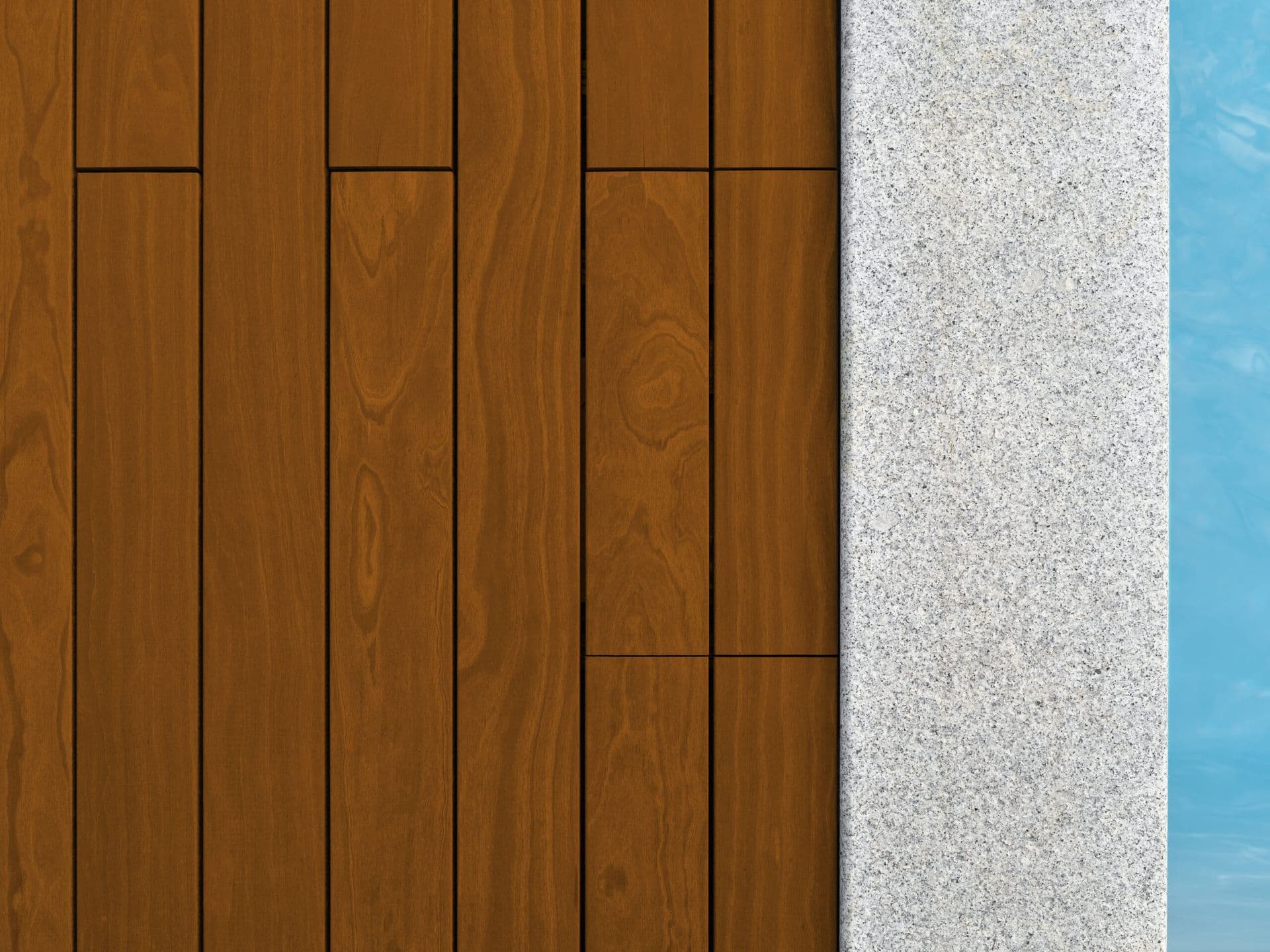
The Initial Appearance of Maximo Accoya
Maximo Accoya is available in several initial appearances, each offering a distinct starting point for your design. The "Natural" option provides the original Accoya appearance, a clean and adaptable base. For those seeking a specific aesthetic from day one, "Maximo Accoya Grey" offers a weathered-grey direction, suitable for contemporary exterior palettes, while "Maximo Accoya Ipe Brown" provides a warm brown tone, reminiscent of tropical hardwoods. These initial finishes are designed to offer visual depth and character.
It's important to remember that digital representations of these colors serve as references. Always confirm your final selection with a physical sample before placing an order, as monitor settings can alter perceived hues. This ensures the color you envision is the color you receive for your project.
Natural Weathering: The Patina Process
Over time, exposure to sun, rain, and environmental factors will cause Maximo Accoya to naturally weather. This process typically results in the wood developing a silver-grey patina. This change is a characteristic of many natural wood products and can be a desirable aesthetic, especially for designs aiming for a more organic or aged look.
The rate and uniformity of weathering can vary depending on the amount of direct sun exposure, rainfall, and local climate conditions. Areas protected from the elements, such as under eaves or in covered porches, may weather differently than areas fully exposed. This can lead to subtle variations in tone across an elevation, which some designers embrace as part of the material's natural charm.
Maintaining the Weathered Look
If you appreciate the natural silver-grey patina, maintenance primarily involves periodic cleaning to remove surface dirt, mildew, or algae buildup. A gentle cleaning with water and a soft brush can help preserve the clean appearance of the weathered wood.
Avoid harsh chemicals or high-pressure washers, as these can damage the wood fibers or lead to uneven cleaning. Regular inspection of your siding allows for prompt attention to any areas that might require cleaning, helping to maintain a consistent aesthetic over time. This approach simplifies ownership without abandoning the appeal of real wood.

Applying Coatings to Maintain or Alter Appearance
For those who wish to maintain the initial color or introduce a new hue, Maximo Accoya can be coated. The modified wood's dependable stability makes it a suitable substrate for a variety of finishes, including stains, paints, and oils. These coatings can help protect the wood from UV radiation, slowing down the natural weathering process and preserving the chosen color.
When selecting a coating, ensure it is compatible with modified wood and suitable for exterior applications. Always follow the coating manufacturer's instructions for application and reapplication intervals. Regular recoating will be necessary to maintain the desired finish, as all exterior coatings will eventually degrade from exposure to the elements. This approach allows for long-term color retention or the ability to change the aesthetic of your siding over its service life.
Worked Example: Planning for a Coastal Facade
Consider a hypothetical project for a residential facade in a coastal area, a demanding exterior installation environment. The homeowner desires the warm brown tones of "Maximo Accoya Ipe Brown" for the initial installation but is aware of the accelerated weathering that can occur near the ocean due to salt spray and intense sunlight.
To manage this, the project plan includes two options:
1. **Embracing the Patina:** The homeowner decides to let the Ipe Brown naturally transition to a silver-grey patina. The design incorporates other natural materials like stone and native landscaping that will complement this weathered aesthetic. Annual cleaning with a soft brush and fresh water is scheduled to remove salt residue and maintain a clean surface, allowing the natural aging process to unfold gracefully.
2. **Maintaining Color:** Alternatively, the homeowner could opt to maintain the Ipe Brown appearance. This would involve applying a high-quality, exterior-grade UV-resistant stain or oil specifically formulated for wood. The project budget and maintenance schedule would then account for recoating every 2-3 years, or as recommended by the coating manufacturer, to preserve the rich brown hue against the coastal elements. This active maintenance ensures the facade retains its original warmth.
Before you order
- What is your desired initial appearance for Maximo Accoya (Natural, Grey, or Ipe Brown)?
- Are you comfortable with the natural silver-grey patina that will develop over time?
- If maintaining the initial color, have you selected a compatible exterior coating (stain, paint, oil)?
- Have you factored in the regular maintenance (cleaning or recoating) required for your chosen approach?
- Will different exposures on your project (e.g., sun vs. shade, covered vs. exposed) affect the uniformity of weathering or coating performance?
- Have you obtained physical samples to confirm your color and finish selection?
Confirm installation details, approved uses and warranty terms in the current instructions for the exact product and profile. Your installer should verify the substrate, structure and applicable project requirements.
Questions to help you decide
Can Maximo Accoya be painted?
Yes, Maximo Accoya can be painted. Its modified wood structure offers dependable stability, making it a suitable substrate for various exterior finishes, including paints. Always use high-quality exterior-grade paints and follow the manufacturer's application guidelines for best results and longevity.
How often does Maximo Accoya need to be cleaned?
The frequency of cleaning depends on your local environment and desired aesthetic. If you are allowing the wood to weather naturally, periodic cleaning (e.g., annually) with water and a soft brush can help remove surface dirt, mildew, or algae. For coated surfaces, cleaning can help extend the life of the finish and maintain its appearance.
Will Maximo Accoya weather evenly across my entire project?
Natural weathering can vary depending on exposure to sun, rain, and other environmental factors. Areas with more direct exposure may weather faster or to a different shade than protected areas. This can result in subtle variations in color across an elevation, which is a characteristic of natural wood products. Applying a consistent coating can help achieve a more uniform appearance over time, but even coatings will wear differently based on exposure.
Request a Maximo Accoya Quote
Ready to plan your project with Maximo Accoya? Provide your project dimensions, desired profile, and ZIP code to receive a material quote. We can also confirm current availability and service options for your location.
Request a material quote →