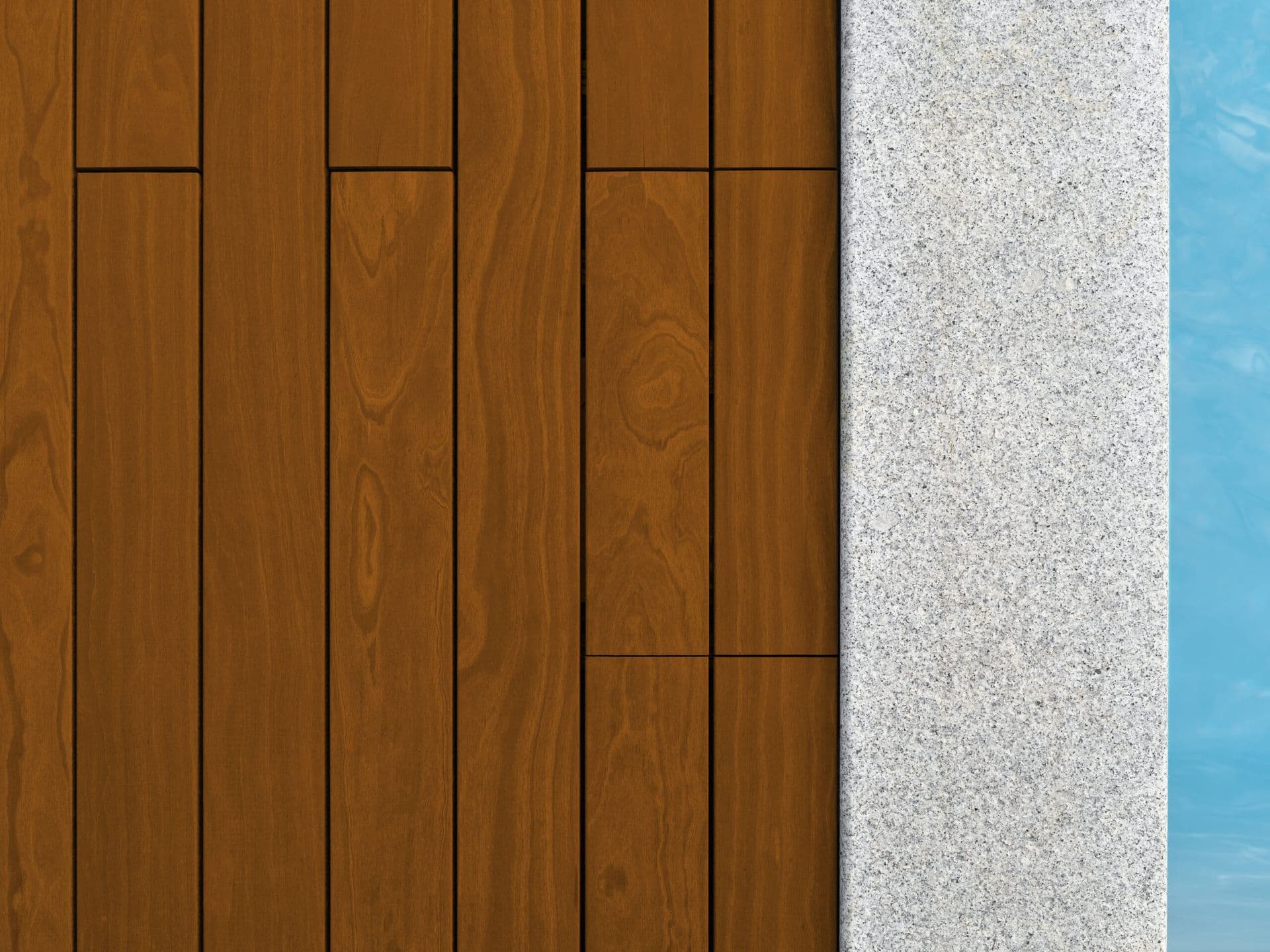
The Appeal of Dark Facades and Maximo Accoya
Dark exteriors can make a building stand out, offering a sense of gravity and elegance. A dark facade can recede into the landscape or provide a dramatic backdrop for lighter architectural features. When combined with the natural texture of wood, a dark finish adds warmth and organic appeal, softening the intensity of the color.
Maximo Accoya is a modified wood product known for its dimensional stability and resistance to warping, twisting, and cupping. This stability is particularly beneficial for exterior cladding, where exposure to sun and moisture can challenge less stable materials. For a dark facade, this inherent stability helps maintain the integrity of the finish and the overall appearance of the cladding over time. It is a performance-focused wood choice that aims to simplify ownership without abandoning real material.
Maximo Accoya is available through Lumber Plus, offering options for decking, cladding, trim, and molding profiles.
Choosing Dark Finishes for Maximo Accoya
While Maximo Accoya itself is a modified wood, the final dark appearance is achieved through specific finishes. Maximo Accoya offers several foundational appearances, which can then be further treated or stained to achieve a dark aesthetic. It is important to review the catalog finish and then request a current physical sample to confirm availability before making a final selection.
The 'Maximo Accoya Grey' direction offers a weathered-grey aesthetic, which can be a starting point for a deeper charcoal or near-black finish. For those seeking the visual depth of tropical hardwood, the 'Maximo Accoya Ipe Brown' provides a warm brown direction that can be darkened further. The 'Maximo Accoya Natural' offers a clean, adaptable starting point for projects that prefer to apply their own custom dark stain or paint. Digital color representations are for reference only; always confirm your final selection with a physical sample.
Lumber Plus can work with you on profiles, quantity, and project-specific finishing to achieve the desired dark facade.
Sun Exposure and Dark Finishes: What to Expect
Dark colors absorb more solar radiation than lighter colors. On a facade, this means that dark cladding will experience higher surface temperatures, especially on elevations with significant direct sun exposure. This increased heat can have several implications for the finish and the wood itself.
While Maximo Accoya is engineered for demanding applications and designed to resist warping, twisting, and cupping, prolonged exposure to intense sunlight and the associated heat can still impact the longevity and appearance of a dark finish. Dark stains or paints may fade or chalk more quickly in direct sun compared to lighter colors, necessitating more frequent maintenance or recoating to maintain the desired aesthetic. It is crucial to consider the building's orientation and the amount of direct sunlight each facade will receive when planning a dark finish. The long-term performance is backed according to the selected application and product terms.

Maintenance Considerations for Dark Accoya Facades
Maintaining a dark Maximo Accoya facade involves protecting both the wood and its finish. Regular cleaning to remove dirt, pollen, and mildew is important to prevent discoloration and maintain the finish's appearance. The frequency of cleaning will depend on the local environment and exposure conditions.
For dark stained or painted surfaces, periodic reapplication of the finish will likely be necessary to combat fading and weathering, particularly on sun-exposed elevations. The specific maintenance schedule will depend on the type of finish chosen and the severity of environmental exposure. Always refer to the finish manufacturer's recommendations for their specific products. Maximo Accoya is a low-maintenance wood, but the chosen finish may require its own specific care.
Example: Planning a Dark Facade for a Modern Home
Consider a modern home with a prominent south-facing elevation that the homeowner wishes to clad in a dark, near-black finish using Maximo Accoya. The wall measures 20 feet wide by 10 feet high, totaling 200 square feet. The design calls for a vertical cladding profile.
To achieve the dark look, the homeowner selects Maximo Accoya Ipe Brown as the base, intending to apply a compatible, dark charcoal stain. Recognizing the south-facing exposure, they understand that this elevation will receive significant direct sunlight. They plan for annual inspections of the finish and anticipate a recoating schedule of every 3-5 years, depending on the stain's performance and appearance retention. For the north-facing elevation, which receives less direct sun, the recoating might extend to every 5-7 years.
They would order enough Maximo Accoya for the 200 square feet, plus an allowance for cuts and waste, specifying the Ipe Brown option. They would also select a high-quality exterior stain designed for wood cladding in a dark charcoal tone, ensuring it is compatible with Accoya and suitable for high sun exposure. They confirm current availability of the desired Maximo Accoya profile and the chosen stain with Lumber Plus.
Complementary Materials and Design Elements
Dark Maximo Accoya cladding pairs effectively with a variety of other materials. Lighter elements like natural stone, light-colored stucco, or polished concrete can provide striking contrast. Metal accents, such as brushed aluminum or black steel, can enhance a contemporary aesthetic. Large glass expanses can reflect the surroundings, creating dynamic interplay with the dark wood.
Consider how the dark facade will interact with landscaping. Greenery, especially lighter foliage or vibrant flowers, can pop against a dark backdrop. Strategic outdoor lighting can also highlight the texture and depth of the dark wood during evening hours, transforming the facade's appearance. Explore our range of siding and cladding options or thermally modified wood for other complementary materials.
Before you order
- Confirm desired dark shade with a physical sample of Maximo Accoya and chosen finish.
- Assess sun exposure for each facade elevation to anticipate finish performance.
- Research compatible dark stains or paints suitable for exterior wood and Accoya.
- Plan for a specific maintenance schedule, including cleaning and recoating, based on exposure.
- Consider the aesthetic interplay with other exterior materials and landscaping.
- Verify Maximo Accoya profile availability and lead times with Lumber Plus.
- Account for waste factor in material calculations for cuts and potential offcuts.
Confirm installation details, approved uses and warranty terms in the current instructions for the exact product and profile. Your installer should verify the substrate, structure and applicable project requirements.
Questions to help you decide
Can Maximo Accoya be painted a dark color?
Yes, Maximo Accoya can be painted dark colors. Its dimensional stability makes it a suitable substrate for paint, helping to minimize cracking and peeling that can occur with less stable woods. Always use high-quality exterior paints formulated for wood and follow the paint manufacturer's application guidelines for best results and longevity.
Will a dark Maximo Accoya facade fade in the sun?
All exterior finishes, especially dark colors, will experience some degree of fading or chalking over time due to UV exposure, particularly on elevations with direct sunlight. While Maximo Accoya itself is stable, the applied dark stain or paint will be subject to these environmental effects. Regular maintenance, including cleaning and reapplication of the finish as needed, can help preserve the desired dark appearance.
Does a dark facade make a building hotter?
Yes, dark colors absorb more solar radiation, leading to higher surface temperatures on the cladding compared to lighter colors. This can contribute to increased heat gain in the building's exterior envelope. Proper wall assembly design, including ventilation and insulation, is crucial to manage this effect and ensure interior comfort and energy efficiency.
Ready to Plan Your Dark Maximo Accoya Facade?
Request a material quote with your project dimensions, exact Maximo Accoya profile, and ZIP code to confirm current availability and service options for your project.
Request a material quote →