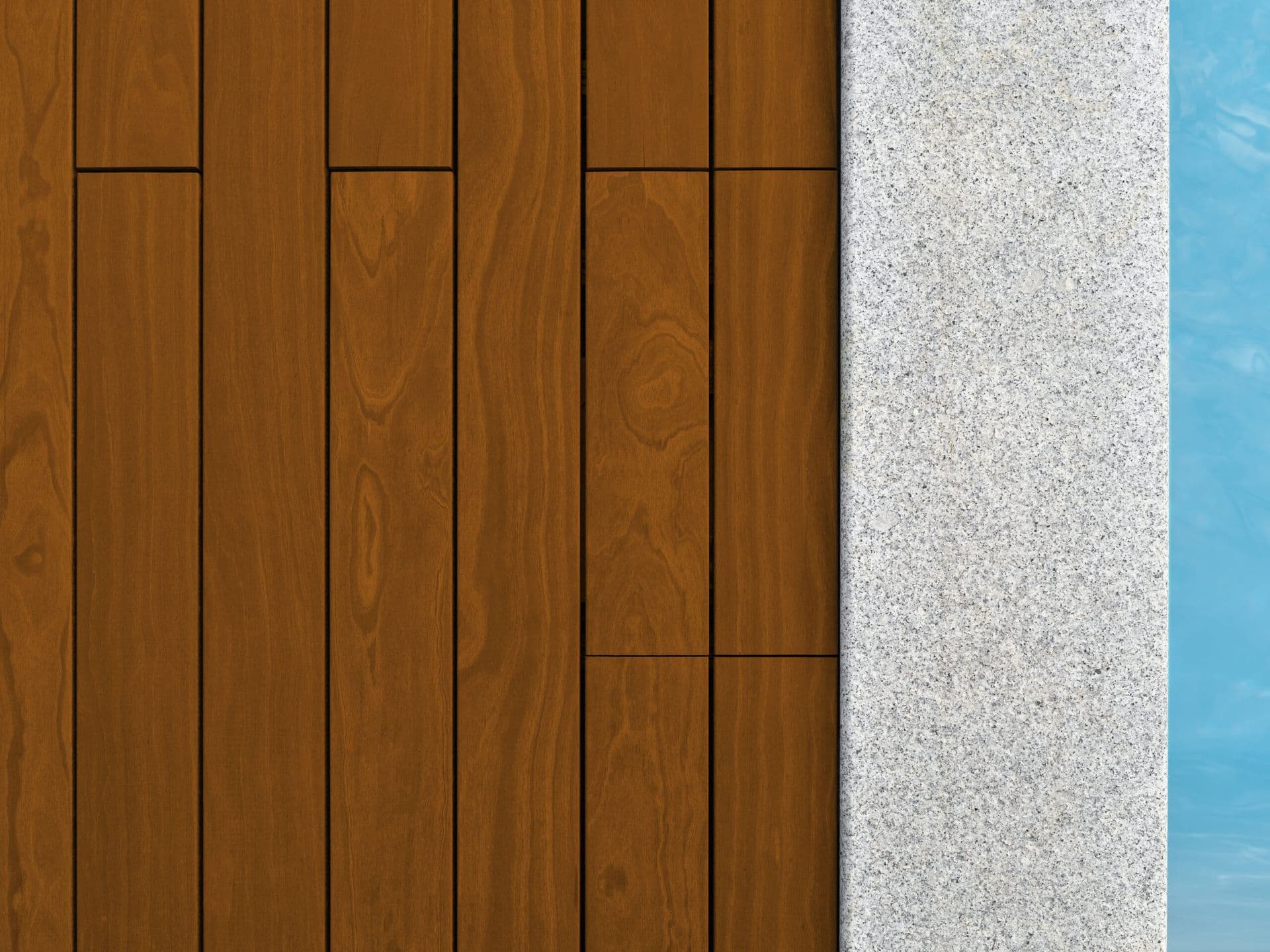
Understanding Maximo Accoya's Stability in Cold Climates
Maximo Accoya is a modified wood product engineered for dependable stability. Its modification process enhances dimensional stability, which is particularly beneficial in cold climates where traditional wood can be susceptible to significant expansion and contraction due to moisture and temperature changes. This inherent stability helps maintain the integrity of the cladding, reducing the risk of gaps, buckling, or fastener pull-out over time. This characteristic contributes to a performance-focused wood choice that simplifies ownership without abandoning real material.
The resistance to warping, twisting, and cupping that Maximo Accoya offers is a key advantage for exterior installations, especially those exposed to the freeze-thaw cycles common in cold regions. This improved stability means the cladding is less likely to deform, contributing to a more consistent appearance and better overall performance of the wall system. It is a long-term modified-wood option backed according to the selected application and product terms.
Moisture Management in Cold-Climate Wall Assemblies
Effective moisture management is paramount for any wall assembly in a cold climate, regardless of the cladding material. For Maximo Accoya, while the material itself is highly resistant to moisture absorption and decay, the overall wall system must still be designed to shed water, allow for drainage, and facilitate drying. A rainscreen assembly is generally recommended, providing a ventilated air gap behind the cladding. This gap allows any moisture that penetrates the outer layer to drain away and promotes airflow to dry out the wall components.
Consider the placement of a weather-resistive barrier (WRB) directly over the sheathing, properly lapped and sealed to prevent water intrusion. Furring strips, typically 3/4 inch to 1.5 inches thick, create the necessary air space for the rainscreen. These strips should be installed vertically to create continuous drainage planes and airflow paths. Proper detailing around windows, doors, and other penetrations is crucial to prevent water from entering the wall cavity. Ensure flashing is integrated correctly with the WRB and cladding to direct water away from the structure.
Accommodating Seasonal Movement and Fastening
Despite Maximo Accoya's enhanced stability, all wood products will experience some degree of movement. In cold climates, the significant temperature differential between seasons can still induce minor changes. Proper fastening techniques and planning for expansion/contraction are essential. Fasteners should be corrosion-resistant and sized appropriately for the specific Maximo Accoya profile and substrate. Face fastening, where fasteners pass directly through the cladding board into the furring strips, is a common method. Consider using stainless steel fasteners to prevent staining and ensure long-term integrity.
For horizontal cladding profiles, ensure that each board is adequately secured while allowing for slight movement. For vertical profiles, consider incorporating movement joints at appropriate intervals, especially on long runs, to manage any cumulative expansion or contraction. Consult specific installation guidelines for recommended fastener types, spacing, and any required pre-drilling. The goal is to secure the cladding firmly enough to resist wind loads and maintain alignment, without restricting natural movement to the point of causing stress or splitting.
Worked Example: Designing a Rainscreen for a Cold-Climate Wall
Consider a hypothetical 10-foot by 20-foot exterior wall section on a building in a cold climate. The design calls for horizontal Maximo Accoya cladding. To implement a robust rainscreen system, the following components and steps would be considered:
1. **Substrate and WRB:** Over the structural sheathing, a continuous weather-resistive barrier (WRB) is installed, ensuring all seams are properly taped and flashed, especially around openings. This forms the primary water-resistive layer.
2. **Furring Strips:** Vertical furring strips, 3/4 inch thick by 1.5 inches wide, are attached to the studs through the WRB. These create the essential air gap. At the base of the wall, an insect screen or vented closure strip is installed between the furring strips to allow airflow while preventing pest entry.
3. **Maximo Accoya Cladding:** The Maximo Accoya boards are then face-fastened to the furring strips. Stainless steel screws are chosen for corrosion resistance. At corners, a mitered or butt joint with a corner trim piece can be used, ensuring proper flashing and weather sealing.
4. **Top Venting:** At the top of the wall, near the soffit or roofline, a continuous vent strip or screened opening is incorporated into the rainscreen cavity to allow for convective drying and continuous airflow. This ensures the air gap functions effectively as a drainage and drying plane, crucial for managing moisture in cold conditions.
This assembly creates a ventilated and drained wall system, protecting the structure from moisture while allowing the Maximo Accoya cladding to perform optimally through seasonal changes.
Finishing and Maintenance in Cold Climates
Maximo Accoya is available in various appearances, including Maximo Accoya Grey, Ipe Brown, and Natural. The choice of finish can influence the long-term aesthetic and maintenance requirements. For projects aiming for a weathered-grey direction, the Grey option can provide a calm, contemporary exterior palette. If a warm brown visual depth is desired, the Ipe Brown offers this. The Natural option provides a clean, adaptable starting point.
While Maximo Accoya is known for low maintenance, periodic cleaning to remove dirt, debris, and mildew is generally recommended, especially in areas prone to dampness or snow accumulation. If a factory finish is applied, follow the manufacturer's recommendations for recoating or refreshing. Unfinished Maximo Accoya will naturally weather to a silver-grey patina over time. Regular inspection of the cladding and wall assembly for any signs of damage, moisture intrusion, or fastener issues is a good practice for ensuring the longevity of the system in cold climates.
Before you order
- Verify local building code requirements for cold-climate wall assemblies and cladding.
- Confirm the specific Maximo Accoya profile and dimensions for your project.
- Plan for a rainscreen assembly with adequate ventilation and drainage behind the cladding.
- Select appropriate weather-resistive barriers (WRBs) and flashing materials.
- Choose corrosion-resistant fasteners suitable for Maximo Accoya and the substrate.
- Detail all transitions around windows, doors, and corners for moisture management.
- Consider the desired aesthetic and long-term maintenance implications of the chosen Maximo Accoya finish.
- Consult installation guidelines for specific spacing, fastening, and movement joint recommendations.
Confirm installation details, approved uses and warranty terms in the current instructions for the exact product and profile. Your installer should verify the substrate, structure and applicable project requirements.
Questions to help you decide
Does Maximo Accoya require special fasteners for cold climates?
While Maximo Accoya itself is stable, using corrosion-resistant fasteners, such as stainless steel, is always recommended for exterior applications, especially in cold climates. This helps prevent staining of the wood and ensures the long-term integrity of the fastening system, which can be stressed by freeze-thaw cycles and moisture.
Can Maximo Accoya be installed directly over insulation in a cold climate?
Direct installation over insulation is generally not recommended for exterior cladding, particularly in cold climates. A rainscreen assembly with a ventilated air gap between the Maximo Accoya cladding and the insulation/WRB is crucial. This gap allows for drainage and drying, preventing moisture accumulation behind the cladding, which is vital for the longevity of the entire wall system in challenging conditions.
How does Maximo Accoya handle snow and ice accumulation?
Maximo Accoya's enhanced dimensional stability and resistance to decay make it well-suited to withstand exposure to snow and ice. Its low moisture absorption means it is less prone to damage from freeze-thaw cycles compared to traditional wood. However, proper wall design, including adequate drainage and ventilation within a rainscreen system, is still essential to manage melting snow and ice effectively and prevent moisture from penetrating the wall assembly.
Ready to Plan Your Cold-Climate Wall with Maximo Accoya?
Request a material quote today with your project dimensions, exact Maximo Accoya profile, and ZIP code. Confirm current availability and service options for your location.
Request a material quote →